
Developer: Stormfront Studios
Publisher: SNEG
Genre:RPG, CRPG, Dungeon Crawler
Price: $19.99
Release Date: Nov 6, 2026
Where to buy: Steam, GOG
When Pool of Radiance: Ruins of Myth Drannor originally launched in 2001, it carried immense pressure as the official sequel to SSI’s iconic 1988 Gold Box CRPG classic. Developed by Stormfront Studios, it was designed as a flagship showcase for the D&D 3rd Edition ruleset, bringing turn-based tactical combat into a fully 3D-rendered isometric perspective. However, upon its initial release, the game was plagued by notorious technical bugs—including an infamous uninstallation bug—and agonizingly slow combat pacing, which overshadowed its ambitious design. The 2026 digital re-release offers a long-overdue opportunity to evaluate the title outside the shadow of its turbulent debut.
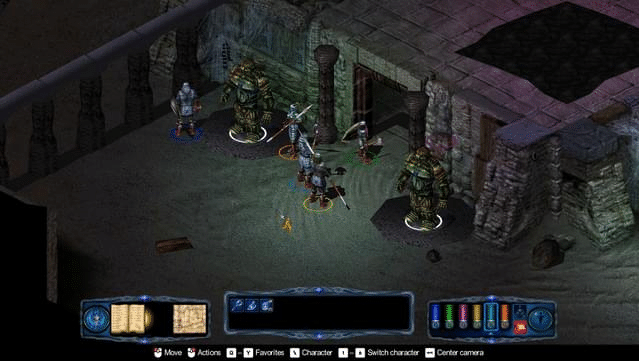
The centerpiece of the re-release is its modern technical overhaul. Publisher SNEG has adapted the classic engine to run natively on modern 64-bit operating systems like Windows 10 and 11, introducing native widescreen and 4K display support alongside full controller compatibility. Crucially, the re-release addresses the original’s most crippling flaw: sluggish pacing. By introducing adjustable combat animation speeds and a modernized interface complete with an action bar and helpful tooltips, the remaster allows encounters that once felt like endless slogs to move at a crisp, engaging speed.
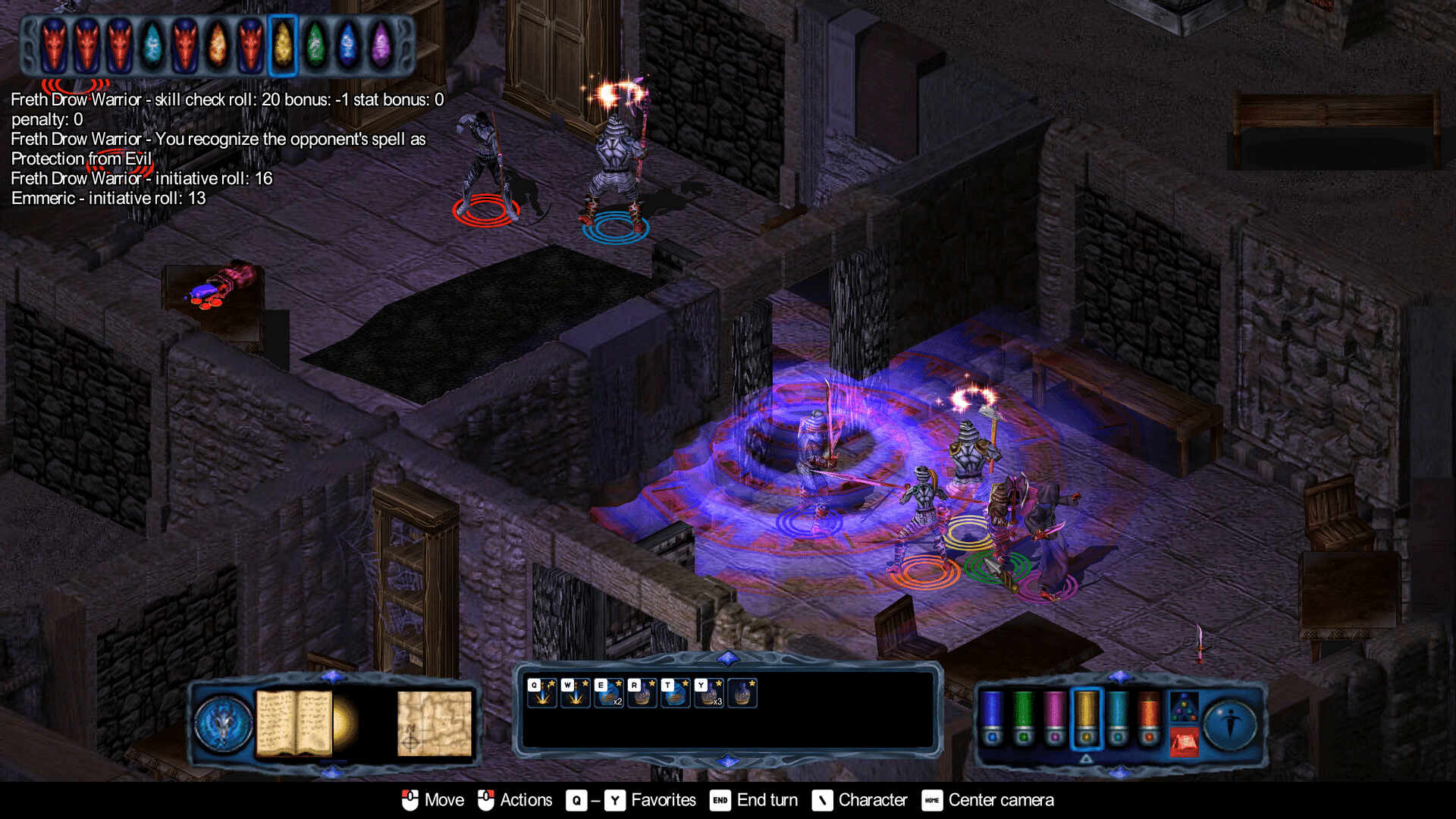
A major triumph of this release is how it balances preservation with accessibility. Rather than forcing a complete graphical or systemic rewrite, the developers provided a suite of toggleable options, including a dedicated “Legacy Mode” for purists who want to experience the 2001 presentation as it originally was. For everyone else, modern visual sharpening and resolution scaling clean up pre-rendered backgrounds without destroying the original artistic intent. This dual approach ensures that historical context is preserved while removing the friction that made the original unplayable for many.
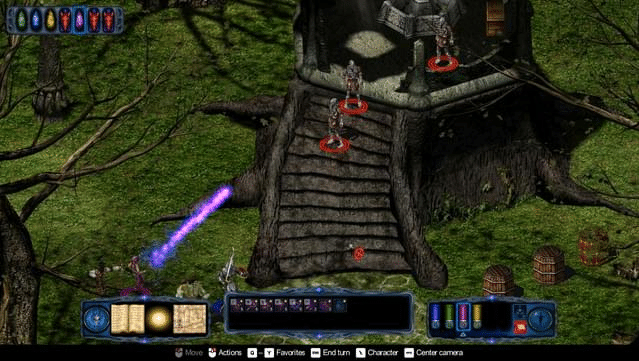
At its core, Ruins of Myth Drannor is an unapologetic, deep-dive dungeon crawler. Unlike narrative-heavy contemporaries such as Baldur’s Gate or Planescape: Torment, Myth Drannor places its primary focus on environmental exploration, survival, and clearing sprawling subterranean complexes. Adventurers must navigate the vast, monster-infested ruins of the ancient elven city, dealing with traps, secret doors, and intense resource management. The re-release highlights how purist this design was, serving as a reminder of an era when CRPGs emphasized endurance and dungeon mapping over cinematic dialogue trees.
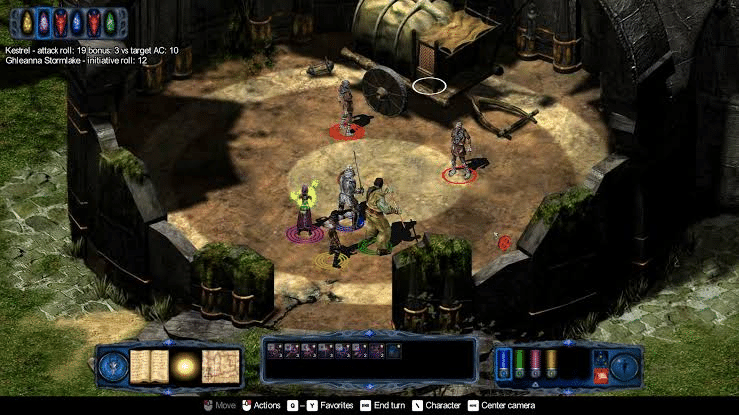
The game serves as a digital capsule of early 3rd Edition Dungeons & Dragons mechanics. Party building allows players to create up to four custom characters and recruit two additional companions, leveling them up to 16th level while mastering over 90 distinct spells. The grid-based tactical movement, spell slot management, and character progression remain deeply faithful to the tabletop rulebook. With the updated UI making spell lists and feat selections easier to read, players can fully appreciate the math-heavy tactical crunch that defines early 2000s RPG design.
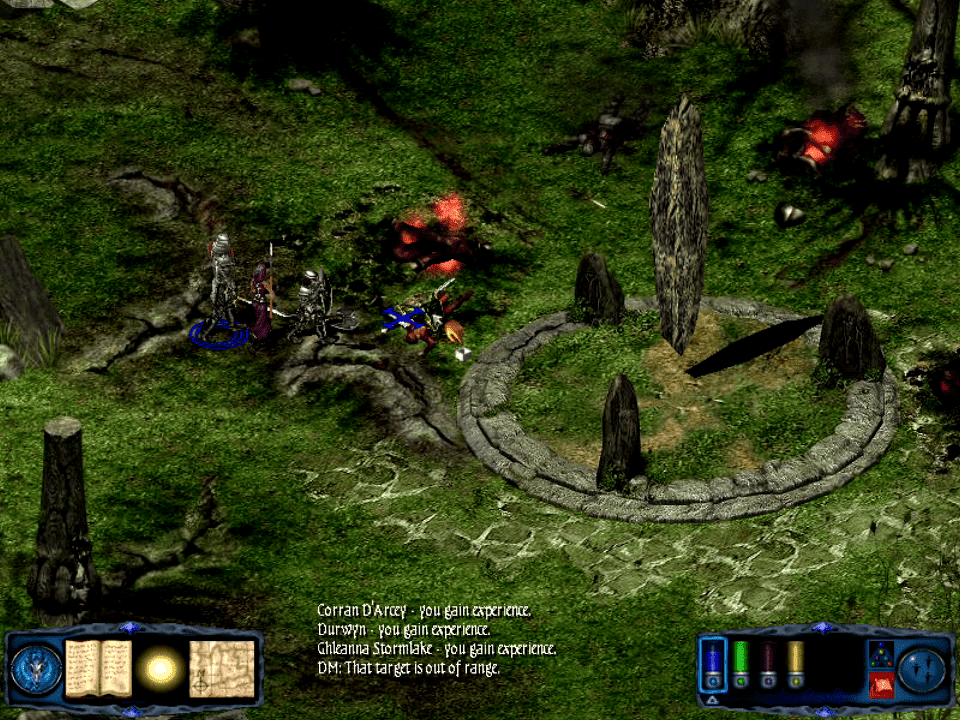
Combat in Myth Drannor is uncompromisingly tactical. Positioning, flank angles, lines of sight, and spell areas of effect demand careful planning during every turn. The re-release retains the option to switch between strict turn-based encounters and a timed-turn system for higher pressure. Now that combat animations can be accelerated, the strategic depth shines far brighter. Fights require genuine strategy, where a single critical hit from an enemy or a well-placed Fireball from a Sorcerer can drastically alter the outcome of a dungeon raid.
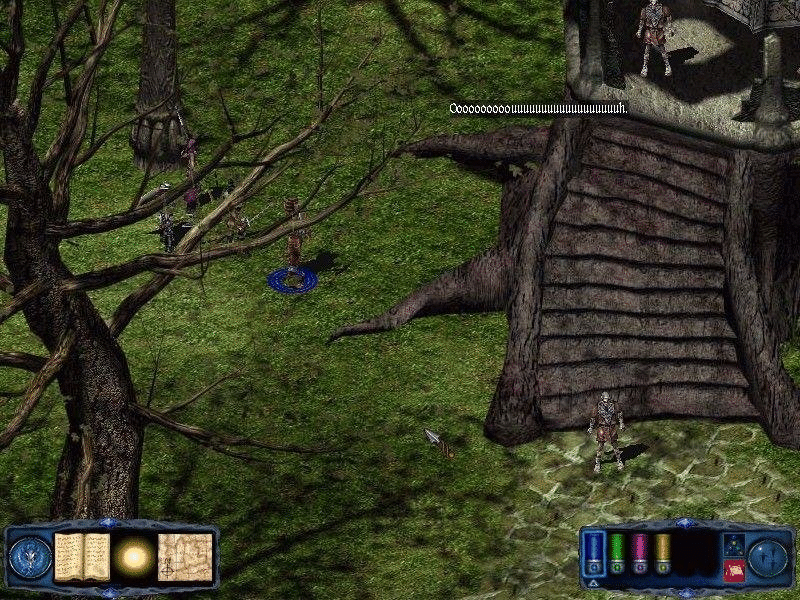
Visually and aurally, Ruins of Myth Drannor captures the gothic, melancholy atmosphere of a fallen fantasy metropolis. The pre-rendered 3D environments depict shattered elven architecture overgrown with corruption, complemented by detailed character models for its time. The soundtrack—bundled digitally with the re-release—uses eerie orchestral arrangements and ambient sound design to sell the haunting isolation of the ruins. High-resolution output allows the intricate textures of the ruined city of New Phlan and Myth Drannor to look surprisingly crisp on modern displays.
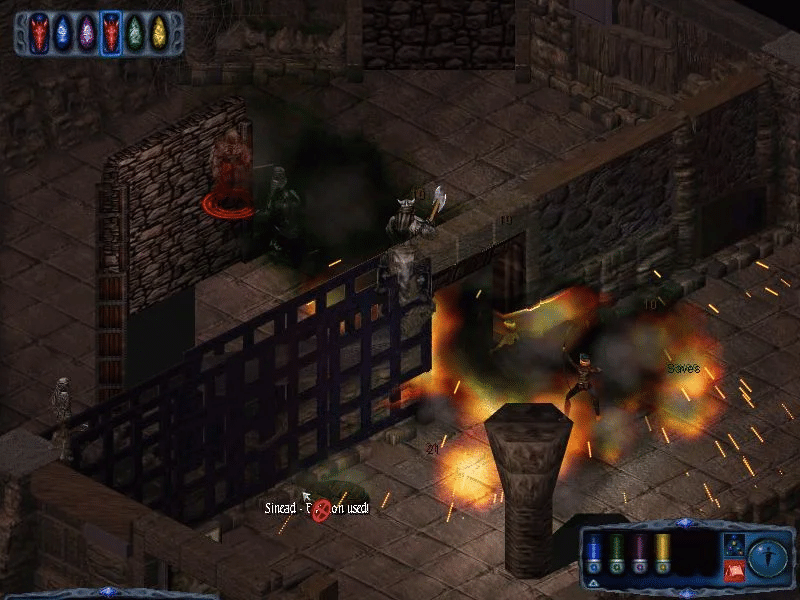
Set in the iconic Forgotten Realms setting, the narrative follows a summons from the archmage Elminster to investigate a dark malice emanating from a newly emerged Pool of Radiance beneath New Phlan. The story pits the player’s party against a cult attempting to harness the pool’s power to corrupt Faerûn alongside a menacing dracolich. While the plot follows familiar heroic fantasy tropes, the setting of Myth Drannor—a city famous in D&D lore for its tragic fall—provides a rich lore backdrop that rewards dedicated tabletop fans.
The re-release caters primarily to classic CRPG enthusiasts and tabletop historians who missed out on the original due to hardware incompatibility or poor launch reception. For players raised on modern tactical RPGs like Baldur’s Gate 3 or Solasta, Myth Drannor offers a retro perspective on how turn-based 3D D&D games were envisioned two decades ago. Its steep difficulty and focus on dungeon survival make it a rewarding challenge for players who enjoy old-school game design.
In Closing: the modern re-release of Pool of Radiance: Ruins of Myth Drannor is a masterclass in video game preservation. By rectifying the severe performance issues, pacing bottlenecks, and bugs that ruined its 2001 debut, SNEG has transformed a notoriously flawed release into a functional, enjoyable piece of RPG history. It stands as an important archaelogical restoration for D&D gaming, proving that with the right technical care, even misunderstood classics can find new life.

