
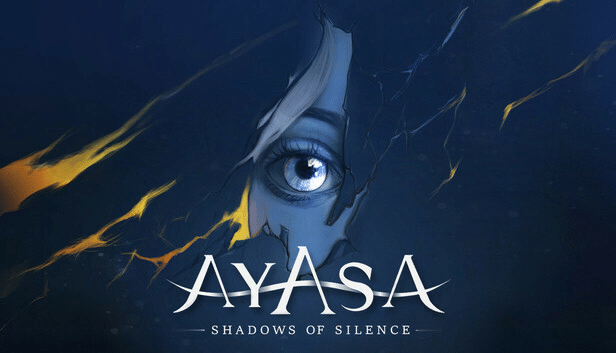
Developer: Aya Games
Publisher: Aya Games
Genre: Puzzle Platformer
Price: $19.99
Release Date: Nov 28, 2025
Where to buy: Steam
Ayasa: Shadows of Silence, developed by Aya Games, enters the realm of atmospheric 2.5D puzzle-platformers as an ambitious exploration of moral duality and existential decay. Set in the surreal domain known as the Inverted World, the game presents a universe that once operated in delicate equilibrium under the stewardship of an absolute entity named Tas. This cosmos is divided into six distinct, interconnected realms representing core human virtues and vices: Faith, Hope, Love, Greed, Indifference, and Betrayal. When dark forces shatter Tas’s hold on the cosmos, the interconnected timelines begin to collapse into entropy.

The narrative centers on Ayasa, a young survivor from the Land of Hope who is chosen by Tas to carry the last remaining fragments of the Absolute. Tasked with traversing all six corrupted lands to gather scattered light and repair the cosmos, Ayasa must confront external hazards and internal trials alike. The storytelling eschews traditional spoken dialogue or heavy text boxes in favor of environmental narrative techniques. Every landscape operates as a metaphorical mirror, forcing the protagonist—and by extension, the player—to visually decipher how virtues transform into vices when disconnected from systemic harmony.
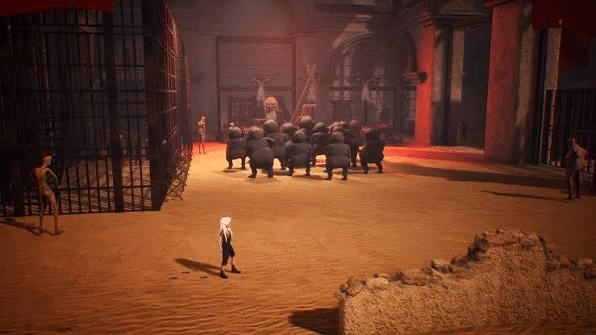
The artistic foundation of Ayasa: Shadows of Silence draws heavily from dark surrealism, gothic animation, and classic European art movements. The developers cite influences ranging from the biological, biomechanical nightmare vistas of Zdzisław Beksiński to the stylized, melancholic silhouette work of Tim Burton and the socio-political surrealism of René Laloux. The visual palette alternates between hyper-saturated lights and deep, oppressive noir shadows, establishing high-contrast environments where visibility directly correlates with safety and spiritual progress.

Lighting operates as a active dynamic within the engine, casting long, distorting shadows that obscure platforming hazards or reveal hidden structural pathways. The design of the six realms visually matches their thematic core: the Land of Greed manifests as a suffocating, cavernous space littered with decaying mechanical appendages, while the Land of Indifference appears frozen in cold monochrome. This heavy reliance on visual motifs creates a atmospheric world where architecture itself serves as the principal storytelling vehicle.
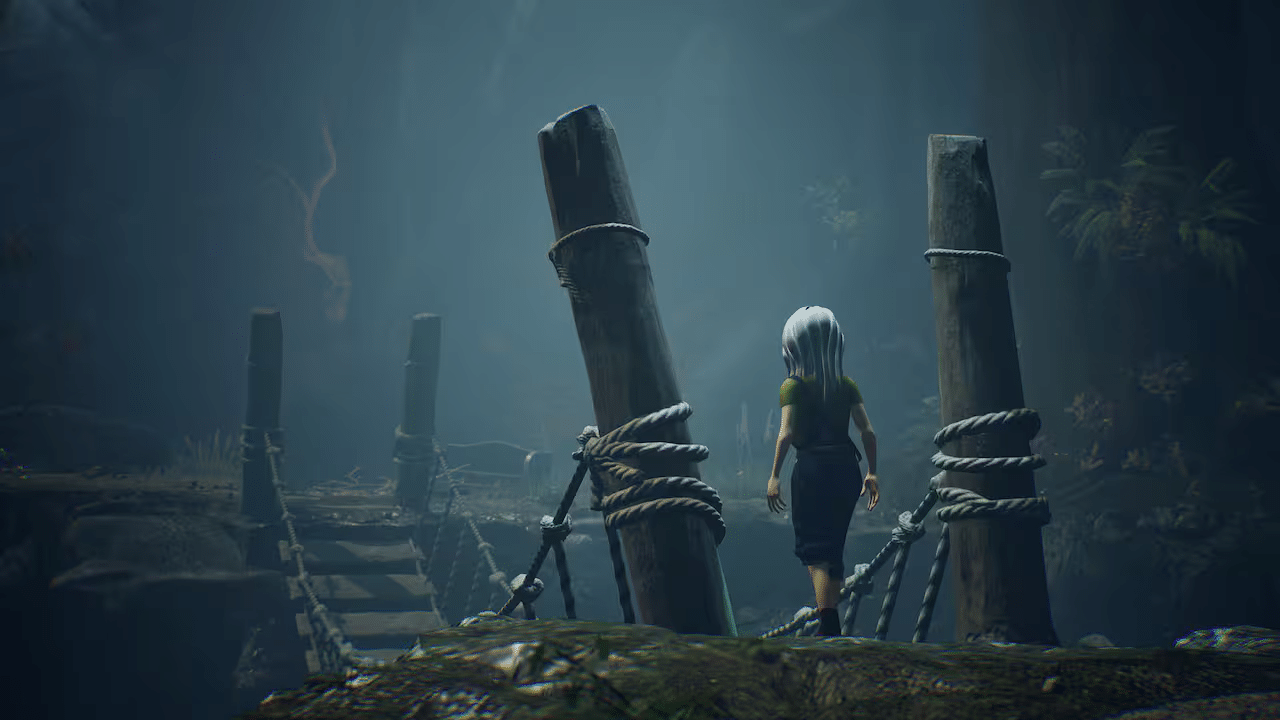
From a functional standpoint, Ayasa: Shadows of Silence blends classic physics-based platforming with light-and-shadow spatial manipulation. Controlling Ayasa requires precision jumping, ledge-grabbing, stealth positioning, and environmental interaction to outwit hostile entities. Ayasa is not a combatant; survival depends on evasive maneuvers, spatial awareness, and unlocking abilities gifted by the shards of Tas.
These abilities include temporary time dilation, energy manipulation, and active optical camouflage/invisibility. The game’s environmental puzzles require weaving these supernatural traits into physical solutions. For example, solving a puzzle in the Land of Betrayal may require freezing a falling platform in time, using invisibility to pass an automated sentry, and manipulating light beams to melt barriers of shadow rot. The game continually challenges players to balance environmental hazards against Ayasa’s finite resource pools.
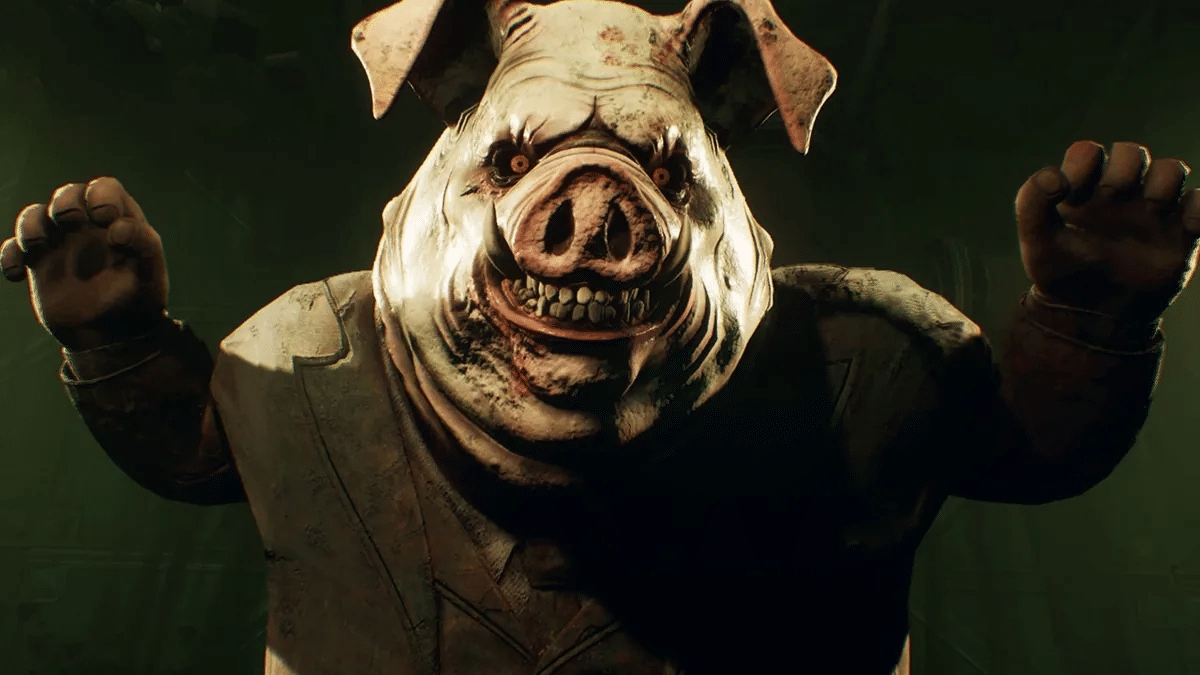
Ayasa: Shadows of Silence builds on the cinematic platformer traditions popularized by titles like Limbo, Inside, and Little Nightmares. Like its predecessors, it places a vulnerable child-like protagonist in an overwhelmingly monstrous world, using minimal user interface elements to maximize immersion. The camera remains positioned on a fixed 2.5D plane, zooming out to accentuate scale during grand architectural reveals or drawing in tight to intensify claustrophobic stealth encounters.
However, Ayasa attempts to differentiate itself from standard genre conventions by embedding overt philosophical frameworks directly into its progression structure. Rather than offering an entirely ambiguous or open-ended nightmare narrative, the journey follows a structured descent and re-ascent through human morality. Gameplay choices within each of the six lands dictate how balance is re-established, attempting to fuse mechanics directly to moral outcomes.
Sound design plays a crucial role in maintaining tension across Ayasa‘s dialogue-free campaign. The soundtrack features a minimalist musical score dominated by sparse string arrangements, low-frequency drone textures, and haunting acoustic instruments. This sparse musical backing steps aside during high-stress sequences to highlight ambient soundscapes: mechanical grinding, distant wailing, shifting stone, and the sound of Ayasa’s breath.
Audio cues serve as vital mechanical indicators for player navigation. Hostile entities emit unique auditory signatures that signal their patrol paths through the dark, enabling blind stealth maneuvering when visual line-of-sight is blocked by shadows. The spatial audio implementation allows players to locate hidden shards of Tas by listening for resonance frequencies hidden behind structural puzzles, reinforcing the link between sound, atmosphere, and progress.
Upon release, Ayasa: Shadows of Silence received mixed-to-positive critical assessments, with reviewers praising its intent while pointing out execution flaws. Critics consistently praised the title’s visual ambition, art direction, and atmospheric tone, noting that Aya Games successfully crafted an eerie, haunting world. The artistic commitment to displaying surrealism through shadow play earned accolades from fans of dark fantasy aesthetics.
Conversely, the game faced criticism regarding mechanical friction and technical performance. Reviewers noted that character movement felt floaty and imprecise during high-stakes platforming sequences, leading to trial-and-error deaths. Additionally, frame-rate drops in lighting-heavy areas, persistent input latency, and long loading screens between puzzle rooms hindered the overall pacing. Critics argued that while the thematic foundation was strong, the underlying gameplay systems lacked the refined polish seen in top-tier cinematic platformers.
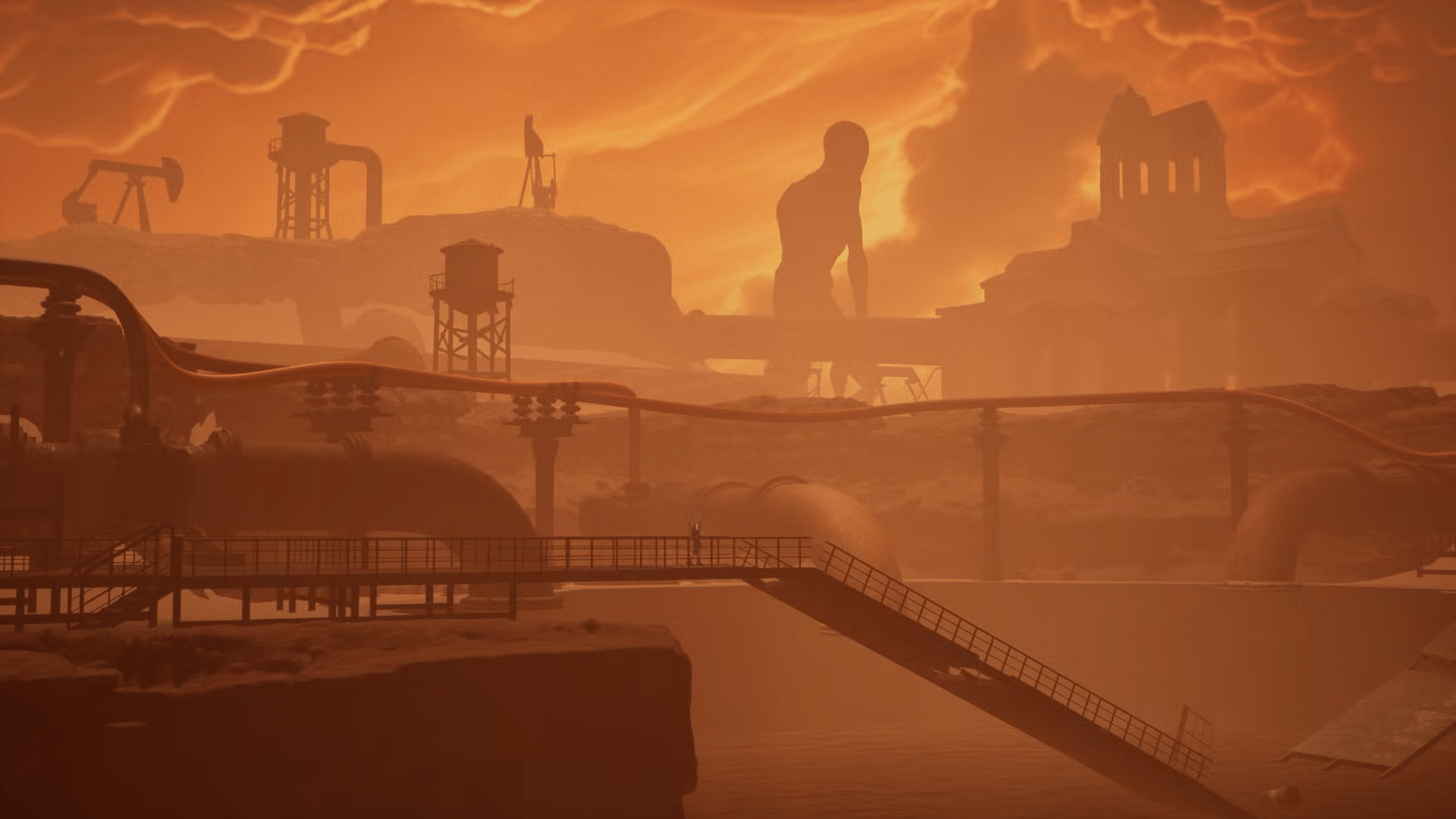
Ayasa: Shadows of Silence was developed for PC and console platforms using contemporary 3D engine architecture tailored for real-time volumetric rendering. The game makes extensive use of dynamic shadow maps, screen-space reflections, and particle physics to generate its thick fog, smoke, and dissolving light effects.
While modern systems handle the stylistic lighting with relative ease, older systems frequently encounter bottlenecks during complex lighting render passes.
The core theme of Ayasa: Shadows of Silence revolves around the non-binary nature of light and dark. Unlike traditional hero narratives where light represents absolute purity and darkness represents total corruption, Ayasa frames darkness as an inevitable, necessary component of reality that has simply grown out of balance. The Inverted World collapses not because darkness exists, but because the connective tissue linking human virtues—Faith, Hope, and Love—to their systemic counterparts was severed.
Through its level design, the game demonstrates how untethered virtues can curdle into vices. Faith, when isolated, manifests as blind fanaticism; Love without boundary turns into possessive Greed. Ayasa’s quest is not to eradicate the dark entirely, but to restore equilibrium between opposing forces. This philosophical nuance elevates the narrative above standard good-versus-evil tropes, asking players to consider how harmony requires accepting and regulating shadows rather than pretending they do not exist.
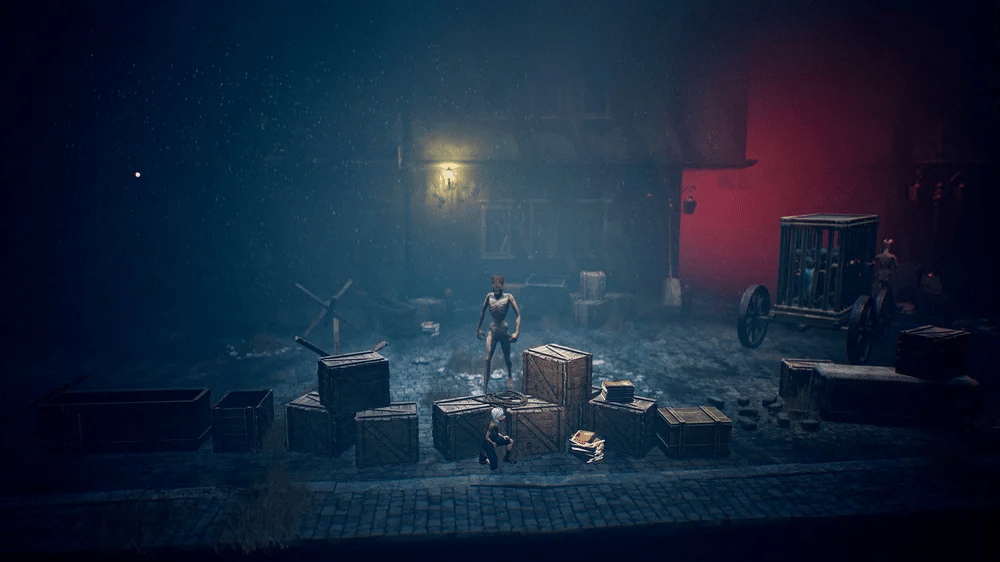
The visual and conceptual heritage of Ayasa links it directly to Eastern European visual arts and surrealist cinema. The influence of Armenian painter Yervand Kochar and animation master Robert Sahakyants shows in the game’s morphing character designs and elastic environmental geometries. Surfaces bend, stretch, and deform in ways that defy classical physics, giving the environment a living quality.
Furthermore, the game reflects a broader indie development trend of using dark fantasy to process systemic anxiety and existential isolation. By drawing on visual traditions established by early-20th-century avant-garde artists and late-20th-century surrealists, Aya Games contextualized Ayasa within an artistic lineage that values atmospheric discomfort over immediate satisfaction. The result is an experience that functions as a gallery of moving surrealist paintings tied together by platforming mechanics.
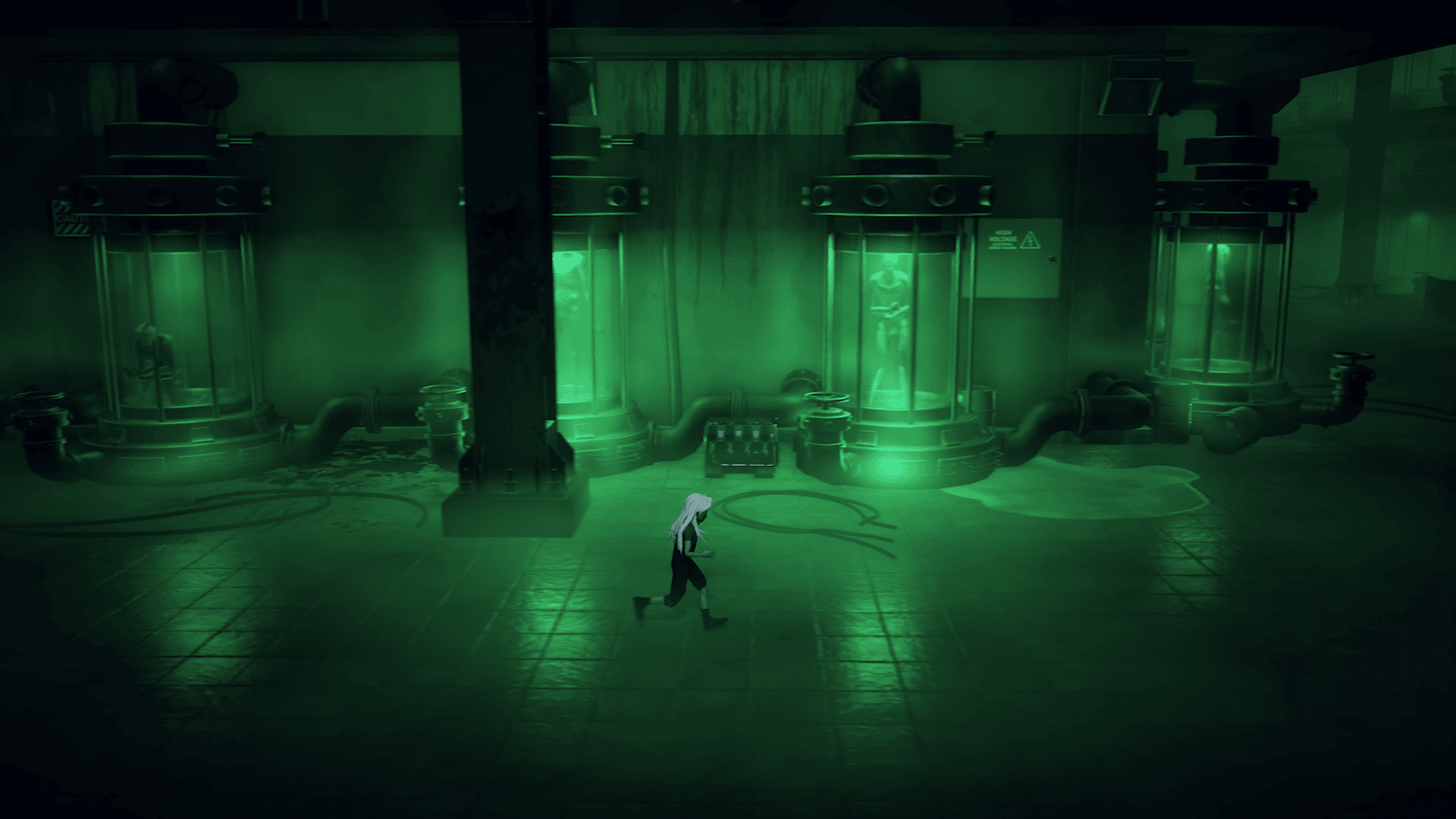
In the broader context of modern indie game design, Ayasa: Shadows of Silence stands as an example of pure creative ambition pushing against technical limits. It demonstrates both the strengths and hazards inherent to artistic-first game development. While its mechanical clunkiness and derivative design choices keep it from surpassing the top titles in the cinematic platformer genre, its visual identity and philosophical framing remain distinct.
In Closing: Ayasa: Shadows of Silence serves as a compelling case study in visual storytelling. It challenges players to engage with video games as interactive art pieces where mechanical difficulty mirrors emotional and philosophical struggle. For players willing to look past its technical rough edges, Ayasa offers a evocative journey through a dark, quiet world—one that leaves a lasting visual impression long after the final light is restored.

