
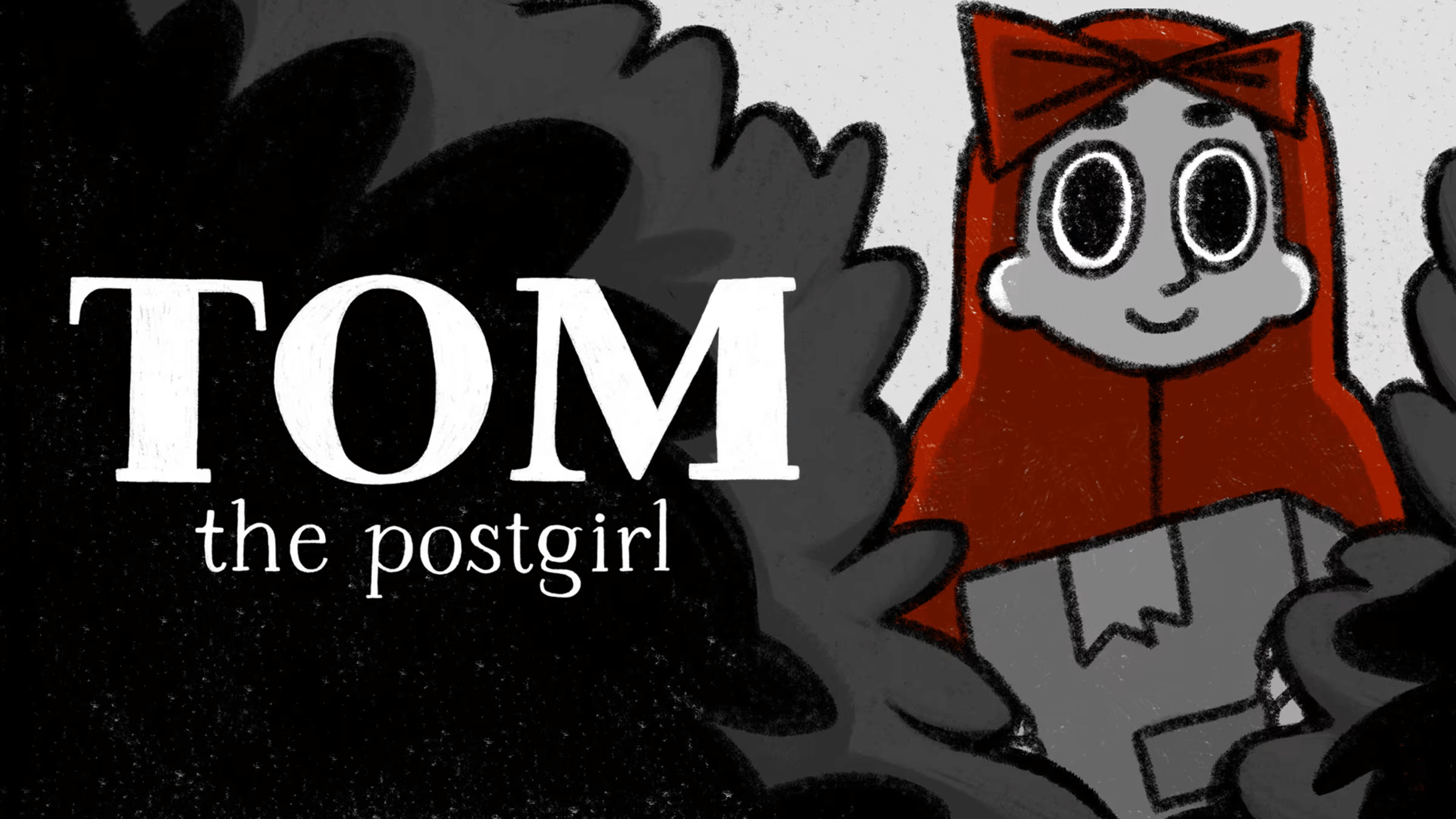
Tom the Postgirl: Signed, Sealed, and Unhinged
How developer Oopsie Daisy turned an innocent neighborhood mail route into a darkly comedic stealth-action fever dream packed with eccentric neighbors and outrageous secrets.
At first glance, Tom the Postgirl appears to be an idyllic, sun-drenched slice-of-life adventure about delivering parcels across a sleepy lakeside town. Developed by independent studio Oopsie Daisy, the game immediately disarms players with bright pastel colors, bouncy acoustic music, and a deceptively cheerful protagonist pedaling along brick-paved streets. Yet beneath that wholesome storybook exterior beats the heart of a wickedly satirical stealth-action thriller. Within minutes of starting her daily shift, Tom’s routine mail route spirals into an escalating web of suburban paranoia, absurd conspiracies, and lethal neighborhood turf wars. That razor-sharp contrast between cozy aesthetics and pitch-black slapstick humor defines every moment of the experience.
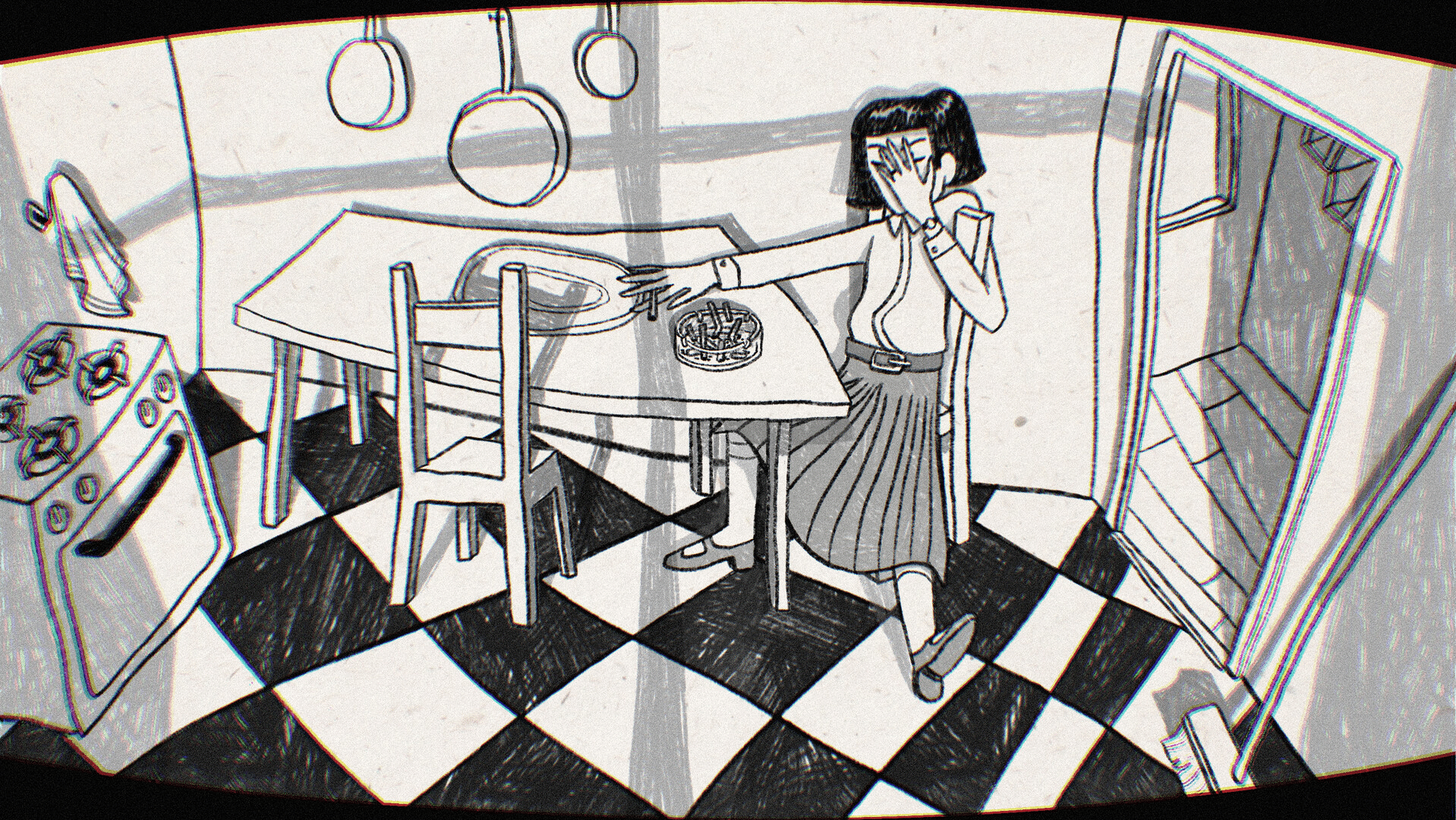
The premise begins simply enough: Tom is a dedicated courier determined to ensure every envelope and cardboard box reaches its intended recipient regardless of obstacles. However, the residents of this seemingly tranquil municipality have plenty to hide behind their manicured hedges and white picket fences. What starts as dodging territorial guard dogs and grumpy homeowners rapidly escalates into infiltrating fortified compounds, uncovering bizarre cult rituals, and outsmarting armed neighborhood watch patrols. Tom herself remains hilariously unfazed by the chaos unfolding around her, treating life-or-death firefights and perilous rooftops as mere workplace inconveniences. Her deadpan commitment to postal customer service turns every absurd mission objective into pure comedic gold.
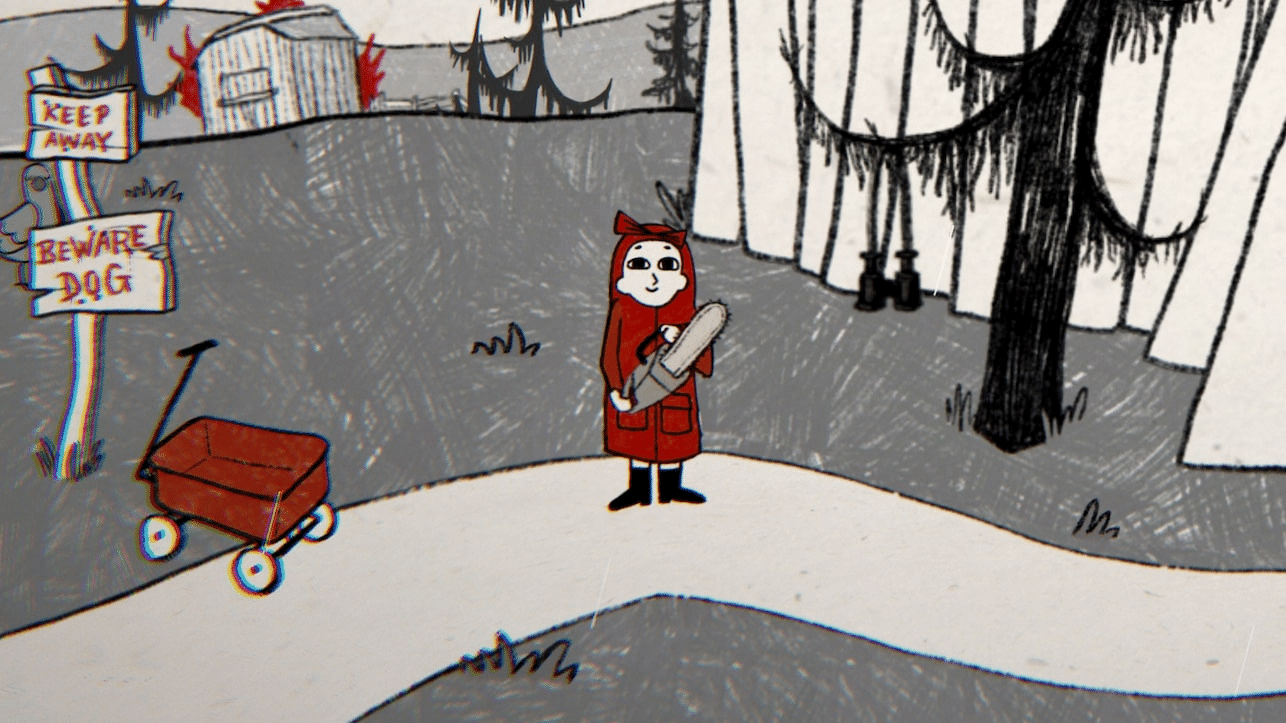
Mechanically, Tom the Postgirl draws clear inspiration from classic top-down stealth and twin-stick tactical games while injecting its own chaotic personality. Players navigate interconnected neighborhoods from an elevated isometric perspective, studying enemy sightlines, patrol routes, and environmental hazards before making their move. Slipping unseen through bushes, ducking behind delivery vans, and tossing distractions allow Tom to bypass heavily guarded gates without raising an alarm. When stealth inevitably breaks down, the game seamlessly shifts into frantic, improvisational combat where quick reflexes and spatial awareness keep you alive. Every block functions like a miniature sandbox puzzle begging to be dismantled through clever routing or reckless bravado.
A huge part of the game’s charm stems from Tom’s delightfully unconventional toolkit, which repurposes everyday postal gear into versatile tactical instruments. Heavy parcels double as blunt-force projectiles, rolled-up newspapers serve as improvised melee weapons, and specialized mail-bag gadgets let her disable security cameras or unlock stubborn doors. Scattered around backyards and alleys are additional makeshift tools—ranging from garden hoses to explosive packages—that encourage players to experiment with environmental takedowns. Rather than locking players into a single rigid playstyle, the level design rewards creative problem-solving and hilarious improvisation. Watching a carefully planned stealth infiltration devolve into a slapstick chase across three backyards never loses its appeal.

Each district on Tom’s route introduces distinct themes, escalating security measures, and memorable eccentric characters who govern their corners of town. One neighborhood might feature overly zealous HOA enforcers patrolling cul-de-sacs with walkie-talkies, while another hides subterranean laboratories beneath innocent-looking bakeries. Peeking through windows, reading discarded letters, and eavesdropping on guard chatter reveal interconnected subplots that flesh out the town’s warped social hierarchy. These environmental storytelling touches reward curious players who stray off the main road to inspect every mailbox and garage. The deeper Tom pedals into the city’s outskirts, the wilder and more surreal the conspiracies become.
Visually, Oopsie Daisy nails an expressive, hand-crafted aesthetic that balances crisp readability with rich comic-book detail. Bright daylight palettes, tidy flowerbeds, and stylized character proportions create an inviting visual language that makes enemy vision cones and interactive objects immediately clear. Yet the studio punctuates that cheerful presentation with sudden bursts of cartoonish violence, exaggerated ragdoll physics, and expressive character animations. Sound design further amplifies the tonal whiplash, pairing jaunty whistle-along melodies with frantic alarm sirens and crunching impact effects whenever things go sideways. Every audio-visual cue works in harmony to keep the mood lighthearted even at its most macabre.
Pacing across the campaign remains brisk, consistently introducing fresh enemy archetypes and environmental twists before any single mechanic wears out its welcome. Optional side deliveries and hidden collectibles incentivize replaying earlier neighborhoods once you master Tom’s movement and unlock new abilities. Trying to achieve clean, undetected runs or speed-clearing a chaotic block adds substantial replay value for perfection

