
Developer: Freshly Baked Games LLC
Publisher: Future Friends Games
Genre: First-Person, Action RPG
Price: $19.99
Release Date: Oct 30th, 2026
Where to buy: Steam
Queen’s Domain lands as a striking love letter to retro first-person action RPGs, channeling the deliberate design language of early dungeon crawlers like King’s Field. Developed by Freshly Baked Games, the title immediately thrusts players into an unyielding dark fantasy realm with minimal hand-holding. You take on the role of a desperate traveler washing ashore on the mysterious Isle of Neasied. The core narrative objective begins with finding your missing father who vanished while pursuing secrets across the island. However, the plot rapidly expands as ancient, sinister forces stir alongside the awakening of the titular sleeping Queen. Visually, the title captures an impressive balance between low-poly retro aesthetics and modern lighting depth. Ambient environmental audio establishes a persistent, suffocating tension as you venture deeper into forgotten ruins. Exploration feels intentionally earned because the environment rarely highlights pathing indicators or interactive collectibles. The opening hours lay down an uncompromising tone where survival depends entirely on spatial awareness and cautious pacing. Ultimately, the game sets its foundation on immersive world-building that respects player intuition from the very first step.
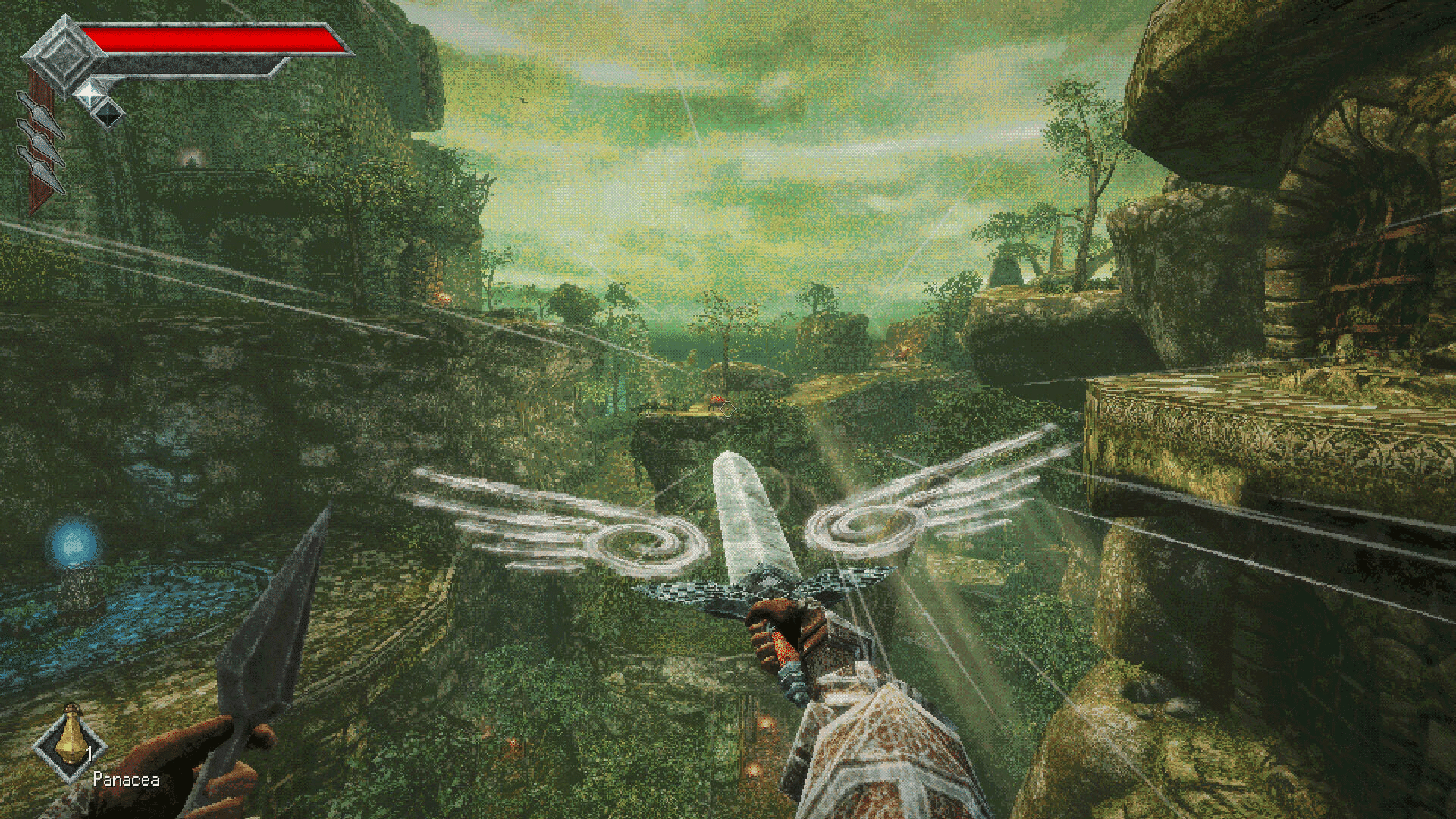
The Isle of Neasied functions as a sprawling, highly interconnected labyrinth filled with hidden shortcuts and environmental secrets. Early zones feel tight and oppressive, forcing you to navigate narrow stone corridors and treacherous cliffside tracks. Verticality plays a crucial role in how dungeons loop back into central hub locations across the island. Opening a long-locked door often rewards you with the relief of a familiar landmark rather than a mere chest of loot. Environmental hazards like crumbling ledges and hidden pit traps demand constant vigilance while exploring. The level design relies heavily on landmark navigation rather than intrusive mini-maps or objective markers. Distant spires and looming ruins visually guide your macro-level path across the land mass. Interlocking zones gradually reveal how ancient subterranean structures tie directly into surface-level ruins. Hidden walls and subtle floor switches reward players who take the time to inspect every shadow. The overall structural geometry reflects a masterclass in classic world design that feels organic yet meticulously planned.
Combat inside Queen’s Domain demands disciplined execution rather than frantic button mashing. Every swing, block, and dodge consumes a portion of your vital stamina meter. Overextending your attacks leaves you utterly defenseless against swift enemy counterstrikes. First-person melee timing requires a precise understanding of weapon swing arcs and recovery frames. Heavy charge attacks deal massive damage but open huge windows of vulnerability if missed. Weapon reach varies drastically between daggers, swords, axes, and bulky polearms. Spacing becomes your primary defense, requiring constant backpedaling and sideways sidestepping. Combat encounters often feature tight spaces where wall clashing can interrupt wide swings. The impact feedback provides a heavy, visceral weight to every successful strike. Mastering the rhythm of stamina regeneration between exchanges forms the backbone of survival.
Complementing melee blades is a surprisingly robust selection of over twenty secondary throwing weapons. Throwing daggers, heavy axes, and specialized projectiles allow for effective crowd control before enemies close in. Picking off dangerous archers or spellcasters from afar softens encounter difficulty significantly. Ammunition and secondary items carry weight, forcing strategic decisions regarding inventory space. Switching between primary weapons and secondary throwables feels smooth during mid-fight maneuvers. Certain secondary weapons inflict elemental status effects like fire or poison on sturdy targets. Projectile physics require leading moving targets to hit consistently at medium ranges. Learning enemy movement paths enables setting lethal traps with specialized consumable throwables. This secondary tier prevents combat from feeling monotonous over extended dungeon delves. The inclusion of varied ranged tools adds genuine tactical depth to tough combat encounters.
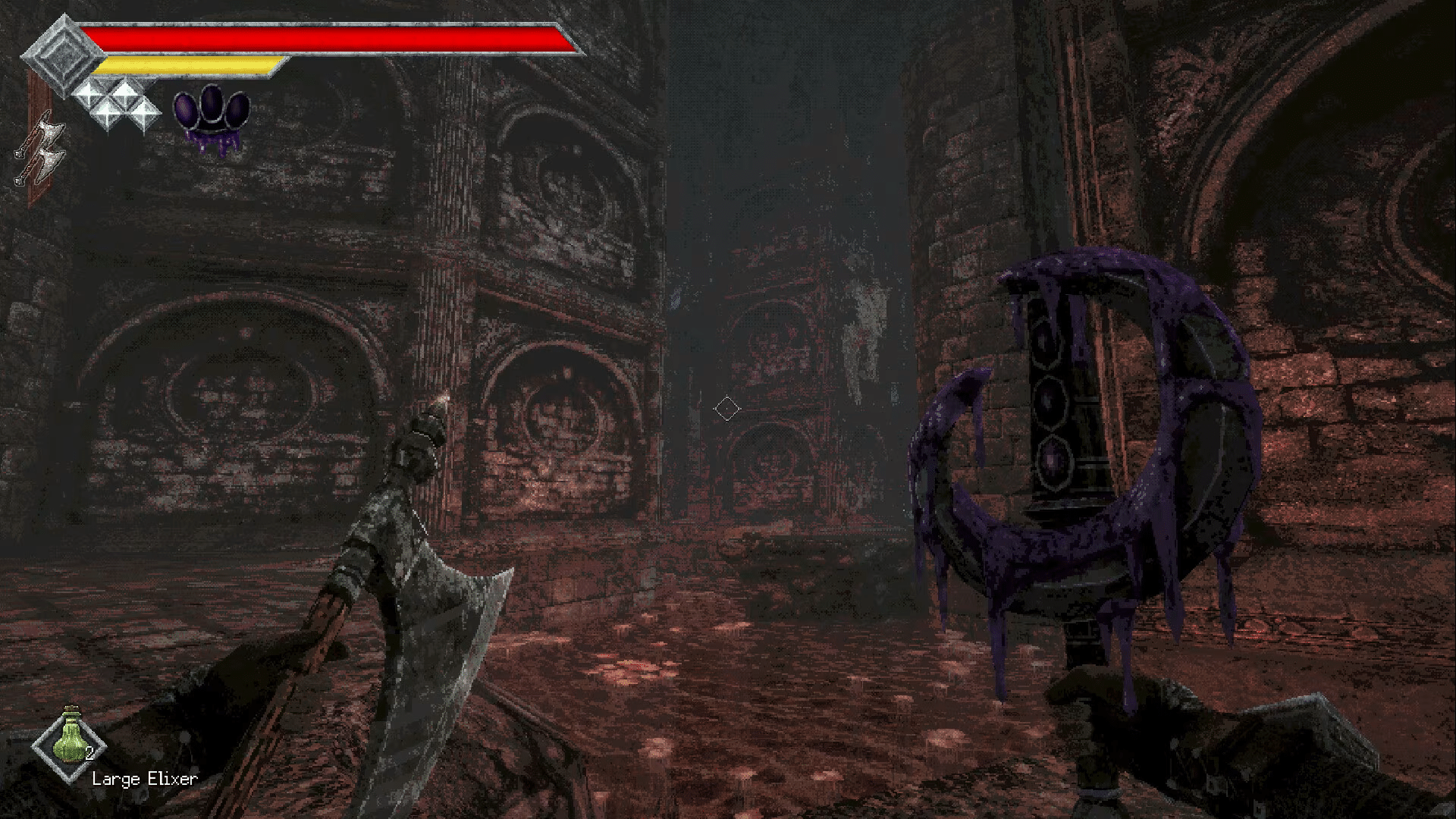
Progression in Queen’s Domain centers heavily around gear acquisition and stat growth. With over fifty distinct melee weapons to discover, build options remain exceptionally high throughout. Weapons can be upgraded using resources gathered across the island to boost base stats. Unique weapon arts grant specific special attacks that consume magic or stamina reserves. Experience points earned from slain foes allow players to directly level up core character stats. Consuming various food items found across the world provides permanent or temporary stat boosts. Equippable accessories like rings and amulets allow fine-tuning for defense or utility needs. Gear choices noticeably impact player movement speed and stamina consumption rates. Finding rare weapons hidden behind obscure puzzles rewards diligent exploration with game-changing power spikes. This RPG scaffolding provides a satisfying sense of growth from a weak outcast to a formidable warrior.
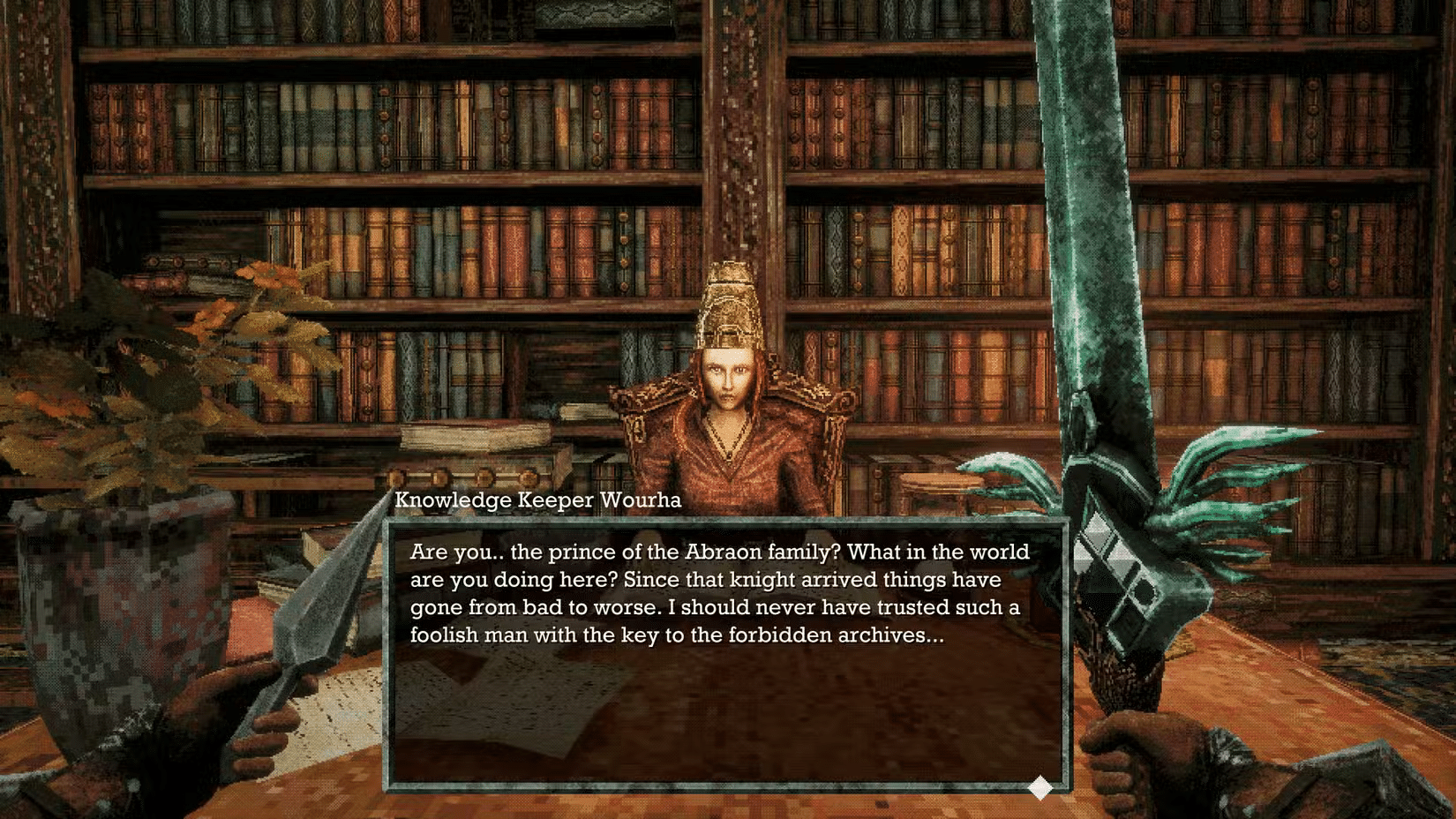
Traversal shifts dramatically once players obtain and master the Holy Sword Endu. This legendary artifact allows players to literally fly across massive environmental gaps and chasms. Flight mechanics turn previously unreachable areas into prime targets for retro-style platforming. Upgrades found across Neasied extend flight distance and air speed over time. The transition from slow ground-bound walking to airborne freedom feels immensely gratifying. Air-based maneuvering opens up secret vertical shortcuts that bypass entire enemy-dense zones. Flight integration elevates environmental puzzles beyond simple key-and-lock mechanics. Managing flight energy adds a layer of tension when crossing wide bottomless abysses. Mid-air positioning can also be used strategically to initiate surprise drop-attacks on unsuspecting foes. The Holy Sword transforms exploration from a ground crawl into a dynamic, 3D aerial sandbox.
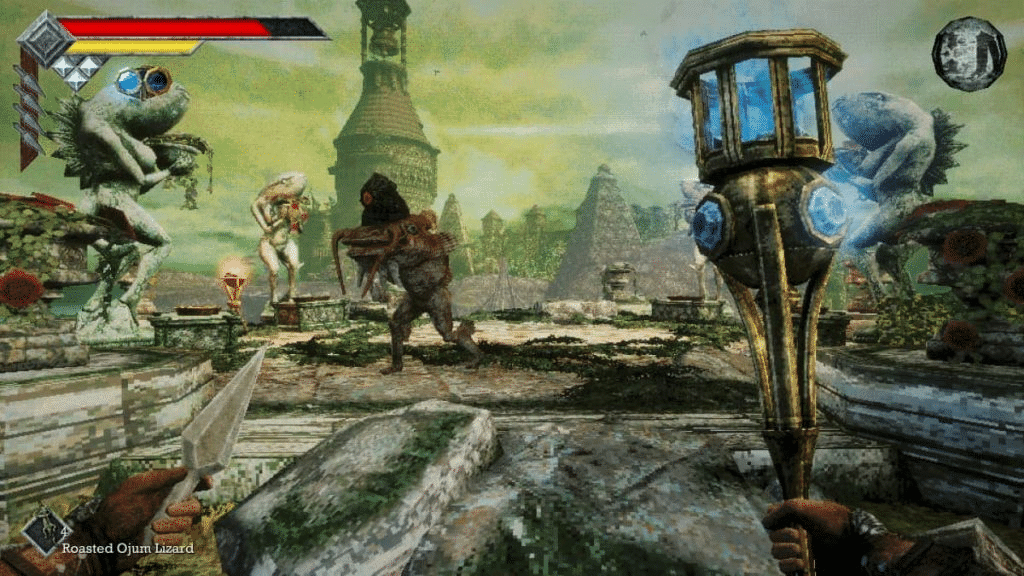
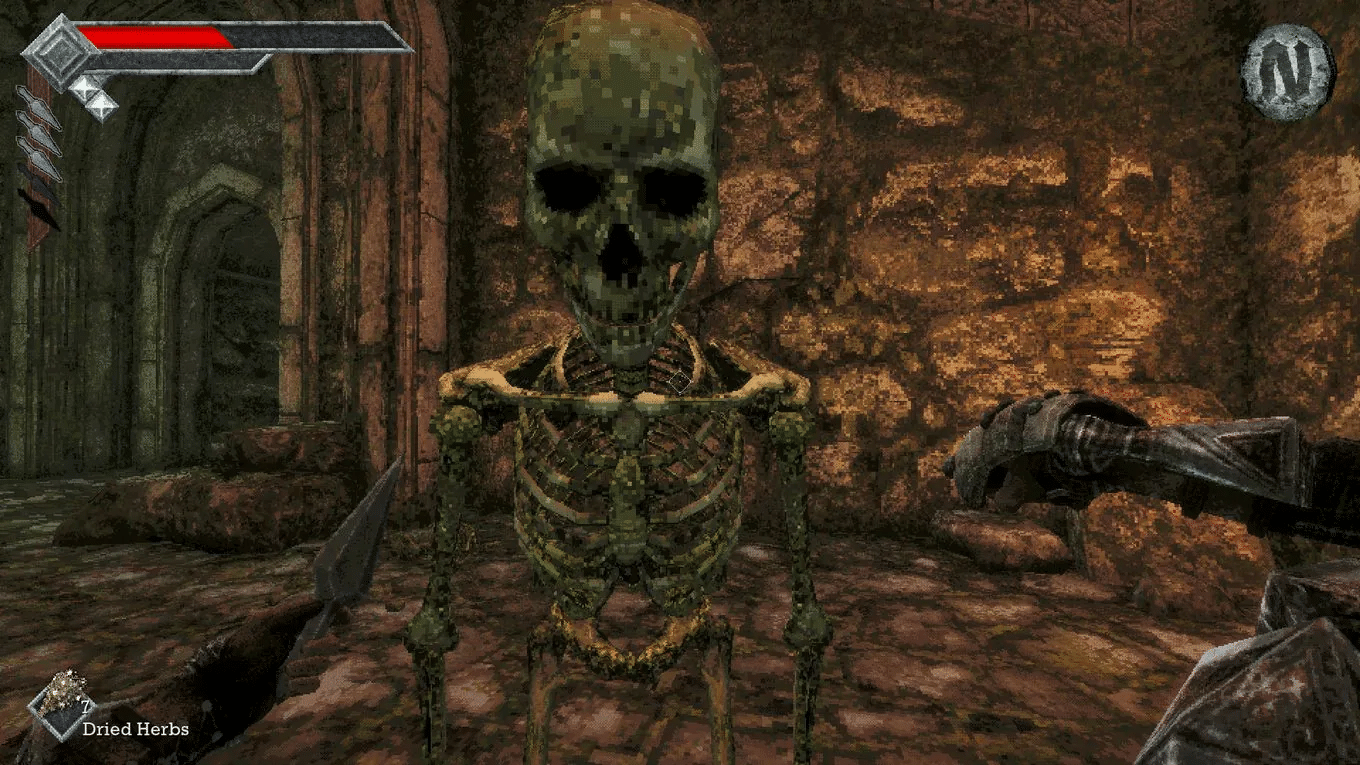
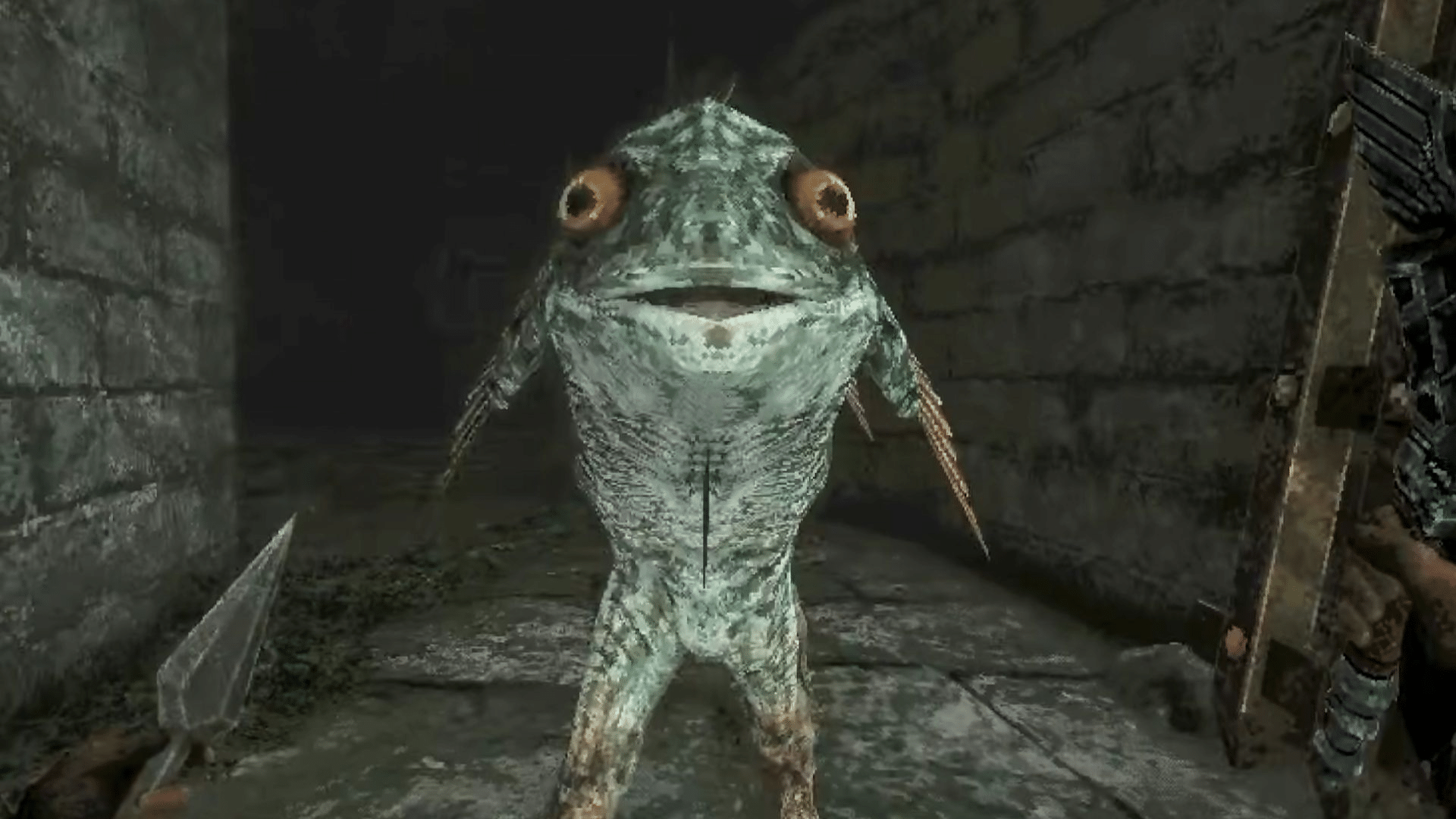
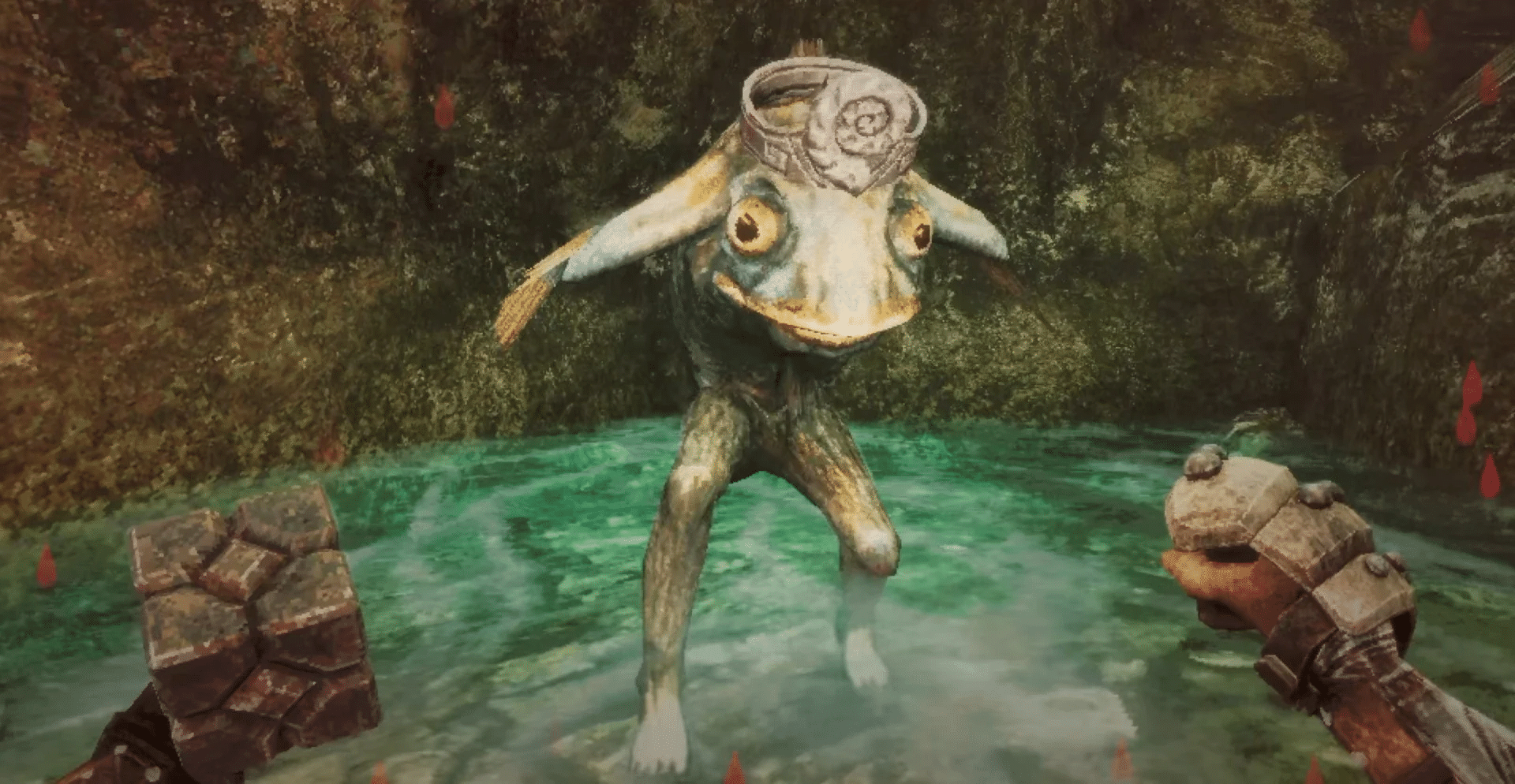
The island’s bestiary boasts over one hundred distinct enemy types, mini-bosses, and main bosses. Opponents range from grotesque undead constructs to nimble subterranean monstrosities. Each monster type features explicit attack patterns, ranges, and weakness profiles. Swarm-type enemies test your area-of-effect capabilities and footwork control. Heavily armored knights demand patient parrying or flanking maneuvers to bypass shields. Enemy visual designs lean heavily into dark fantasy grotesquery, enhancing the eerie mood. Mini-bosses guard key choke points, acting as rigid skill checks for gear and mechanics. Boss encounters feature multi-phase routines that punish unconsidered aggression. Visual telegraphs are clear, making deaths feel fair and attributable to personal execution errors. The sheer range of foes keeps long dungeon crawls from ever feeling repetitive.
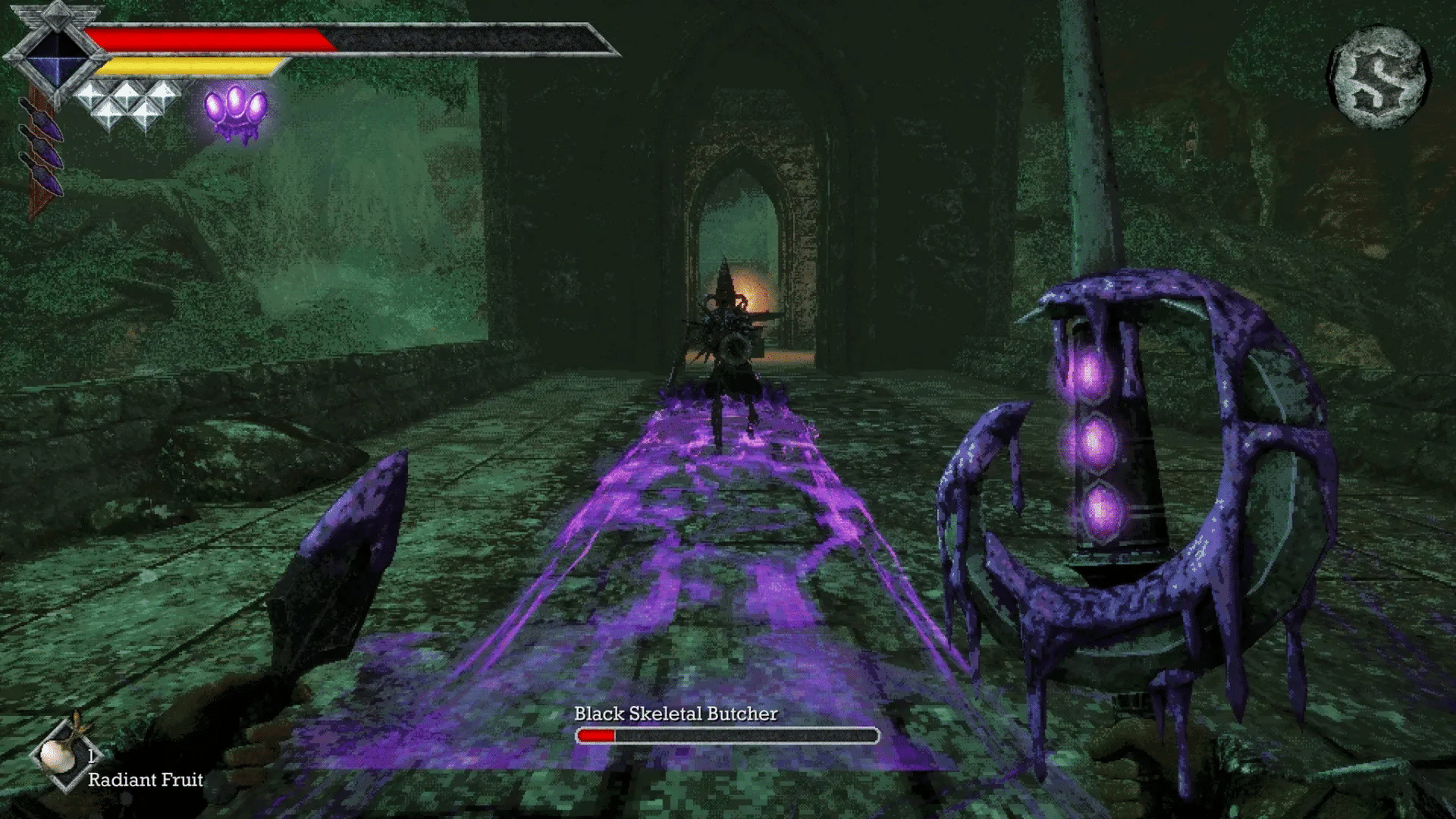
Queen’s Domain achieves a striking aesthetic through its vintage low-poly visual style. Low-resolution textures and retro geometric modeling evoke nostalgic 90s classic gaming software. Modern particle effects and volumetric fog bring the old-school visual framework alive. Color palettes shift dynamically from muted gray catacombs to vibrant, otherworldly shrines. The sound design excels at utilizing silence to build suspense in underground ruins. Weapon impacts deliver thick, crunchy sound effects that make hits feel physically real. Distant monster roars echoing down stone shafts reinforce a constant sense of danger. The musical soundtrack features dark synth ambient tracks alongside ominous orchestral arrangements. UI elements remain minimalist, ensuring screen space stays focused on atmospheric immersion. This visual and acoustic combination crafts a unique identity that honors its retro influences.
The difficulty curve in Queen’s Domain is unyielding, targeted squarely at players who enjoy a real challenge. Early hours are brutally unforgiving as low health pool limits mistake tolerance. Checkpoint placement requires deliberate push-and-pull decisions regarding when to retreat or push forward. However, progression never feels artificial because character stats and player skill scale together. The pacing balances long, stressful dungeon runs with rewarding returns to safe zones. Finding new food items or high-tier equipment provides concrete, satisfying power spikes. Traversal tools break up combat fatigue by shifting focus onto high-flying exploration puzzles. The game respects player intelligence by allowing freedom to explore high-level zones early. Patience is constantly rewarded, whereas hasty movement usually leads to swift death. This balance creates a deeply satisfying loop of tension, execution, and triumphant discovery.

In Conclusion: Queen’s Domain stands out as a triumphant modernization of classic first-person action RPGs. Freshly Baked Games successfully captures the magic of vintage dungeon exploration while improving traversal depth. The integration of flying mechanics alongside methodical stamina combat creates a fresh gameplay rhythm. Rich gear customization ensures varied playstyles can thrive across its lengthy campaign. The Isle of Neasied remains one of the most intriguing dark-fantasy environments in recent indie releases. Its brutal challenge may intimidate casual players, but RPG enthusiasts will find endless value. Strong audiovisual polish highlights how low-poly retro art design can feel captivating today. The narrative framework gives enough personal motivation to anchor dozens of hours of exploration. It is a rare title that honors old-school influences while introducing memorable new ideas. Queen’s Domain ultimately delivers an exceptional, haunting adventure that cements itself as an indie standout.

