
Developer: Zadbox Entertainment
Publisher: Blue Brain Games, Zadbox Entertainment
Genre: Adventure, Puzzle,
Price: $24.99
Release Date: Nov 28, 2016
Where to buy: Steam, GOG, Switch, Xbox, PSN
Quern: Undying Thoughts stands as a remarkably polished first-person puzzle adventure that pays deep homage to classic point-and-click masterpieces like Myst and Riven. Developed by the indie studio Zadbox Entertainment and released in 2016, the game immediately immerses players in a captivating atmosphere dominated by strange machinery, quiet landscapes, and ancient architecture. Players awaken on a mysterious, deserted island after stepping through a mysterious portal, left with no obvious goal other than to explore and survive. What sets Quern apart from many contemporary puzzle titles is its refusal to hand-hold the player. Instead of offering explicit objective markers or artificial hint systems, it relies entirely on visual storytelling, logical consistency, and atmospheric environmental design to guide progress.
The central narrative mechanism of Quern relies heavily on dynamic, written communication left behind by two opposing historical figures. As players navigate the island’s interconnected zones, they discover letter dynamic dispatches and audio recordings left by Mayora, a former visitor, and a mysterious spirit guide known as the Teacher. These two figures offer starkly conflicting philosophies regarding the purpose of the island and the ancient technology hidden within it. Mayora urges caution, scientific observation, and analytical restraint, while the Teacher encourages transformation, spiritual awakening, and unconditional trust. This dual-narrative framework creates a subtle layer of narrative tension, forcing the player to critically evaluate every piece of lore they discover while piecing together the true history of the island.
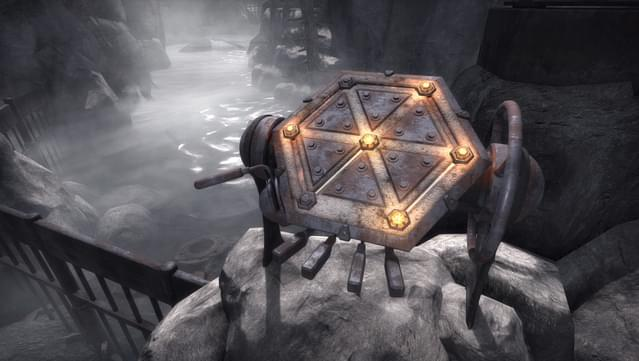
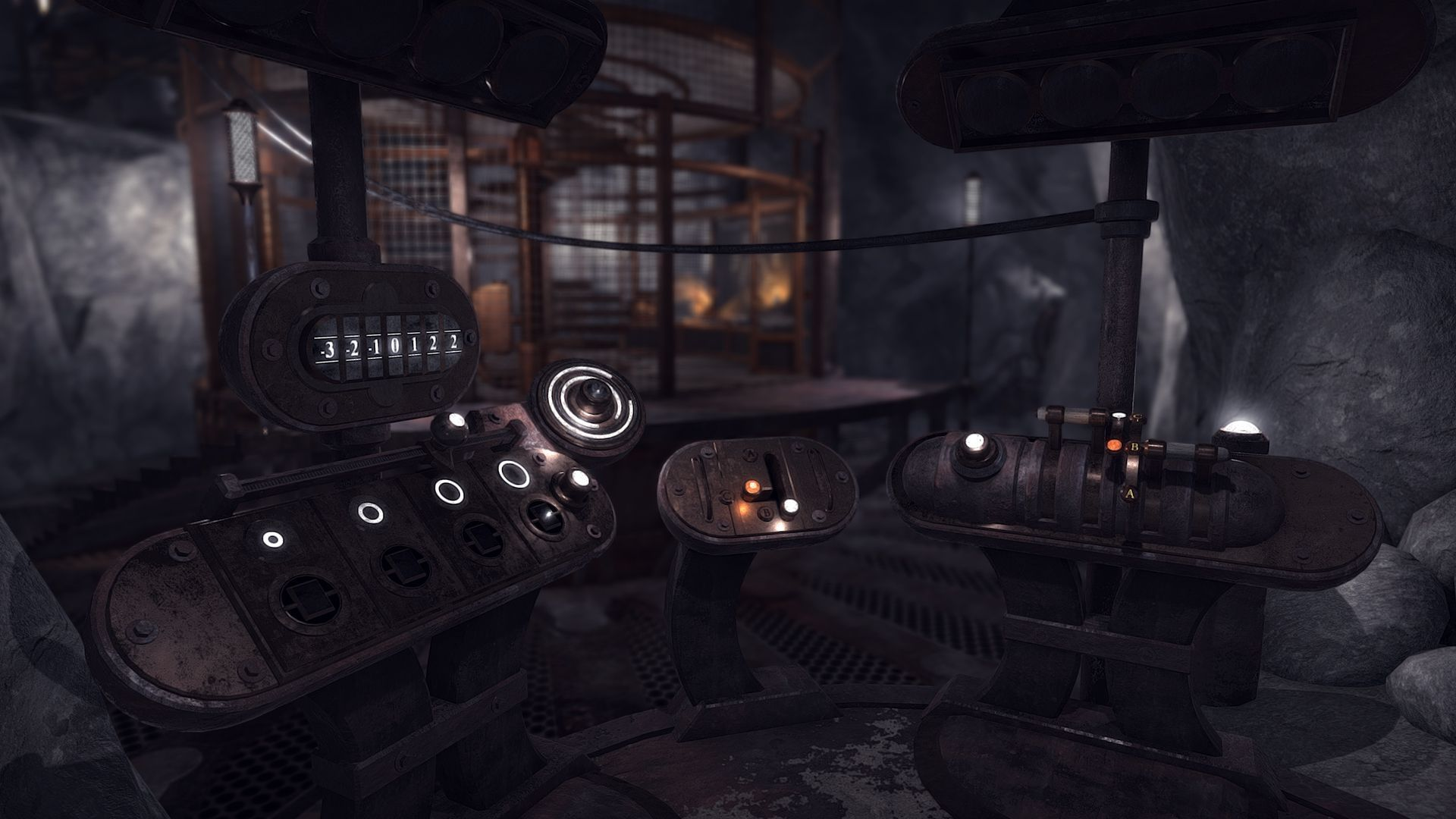
At its core, Quern distinguishes itself through exceptional puzzle design that favors holistic logic over isolated brain-teasers. Rather than presenting self-contained challenges that exist in a vacuum, the game treats the entire island as a single, sprawling mechanism. Mechanisms activated on one side of the island frequently affect structures, power lines, or doors located in previously visited areas. This interconnected structure rewards keen spatial awareness and thorough exploration. Players must pay close attention to environmental details, line-of-sight visual cues, and recurring symbolic motifs. The satisfaction derived from solving a puzzle in Quern comes from genuinely understanding how the island’s physical systems function together.
A key mechanical feature that enhances the game’s depth is its focus on item reusability and combination. In many traditional puzzle games, a key or tool is used once to unlock a single door and then permanently removed from the inventory. Quern subverts this convention by introducing multi-purpose tools, alchemy ingredients, and adaptable mechanisms that remain relevant across multiple stages of the journey. A key item discovered in the opening hours might be modified, repurposed, or combined with new components near the climax of the game. This dynamic system forces players to maintain an active mental inventory, constantly reassessing their gear whenever they encounter an unfamiliar obstacle or strange lock mechanism.
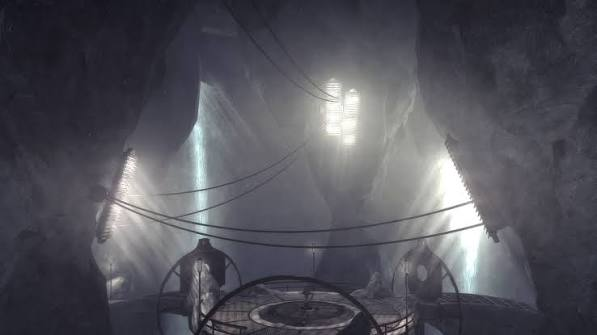
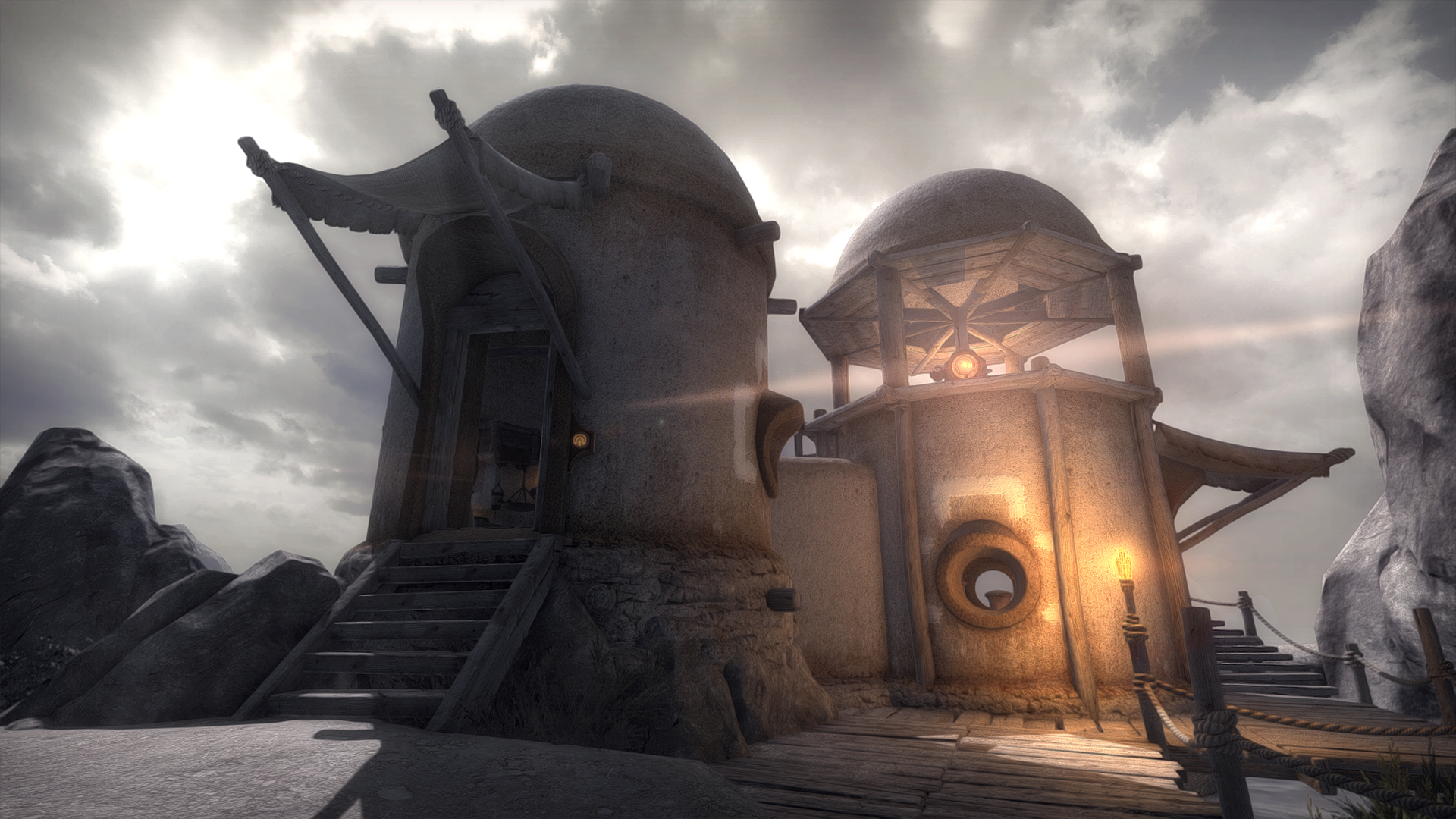
Visually, Quern achieves a striking balance between natural beauty and industrial intrigue. Built on the Unity engine, the game presents a meticulously detailed island featuring sun-drenched stone plazas, shadowy subterranean caverns, and intricate brass machinery. The visual aesthetic draws inspiration from steam-powered technology, alchemy, and classical Mediterranean architecture. Sunlight glints off brass gears, dynamic lighting highlights subtle engravings on stone walls, and fluid animations make ancient machinery feel heavy and powerful. Every zone possesses a distinct visual identity, preventing environmental fatigue while giving players clear geographical landmarks that make navigating the complex island intuitive without a mini-map.
The audio design of Quern plays an equally critical role in building its atmospheric immersion and supporting its puzzle mechanics. Composed by Marcell Kerepesi, the soundtrack features subtle orchestral arrangements, ambient synth pads, and delicate piano melodies that adapt dynamically to the player’s surroundings. Music rarely overwhelms the experience; instead, it gently swells during moments of discovery or revelation. Sound effects are crafted with equal care—clinking gears, rushing water, resonating crystal tones, and echoing footsteps all provide essential audio feedback. In many instances, precise auditory cues alert players to subtle changes in distant mechanisms, seamlessly integrating audio design into core gameplay loops.
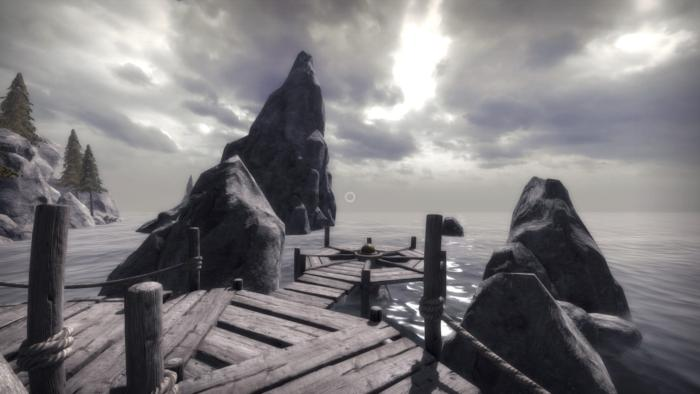
Pacing in Quern is deliberate and player-driven, offering a refreshing departure from fast-paced, high-stress gaming experiences. Players are free to explore available regions at their own speed, taking notes, sketching diagrams, and formulating hypotheses without the pressure of time limits or combat encounters. The world is entirely free of immediate physical danger, allowing the difficulty to stem purely from intellectual challenge. This contemplative pacing fosters a contemplative state of mind where methodical experimentation is encouraged. When a player hits a temporary wall, the open structure of the island usually provides alternate paths or unsolved puzzles to investigate elsewhere, minimizing frustration and maintaining momentum.
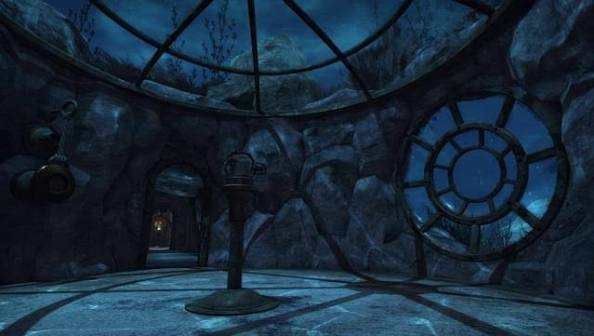
One of the game’s most practical quality-of-life additions is its built-in notebook and sketch system, which directly supports its intricate puzzle design. Players can take in-game photographs of mysterious symbols, complex diagrams, or distant alignment markers, storing them in an accessible digital journal for quick reference. This feature respects the player’s time while preserving the cerebral challenge of tracking information across long distances. By eliminating the necessity of constantly tabbed-out guides or external pen-and-paper tracking—though physical note-taking remains popular among fans—the game keeps players fully immersed within its world, maintaining focus on deduction and spatial problem-solving.

As the narrative nears its culmination, Quern raises thoughtful thematic questions about knowledge, control, progress, and trust. The tension between Mayora’s analytical skepticism and the Teacher’s dogmatic guidance reaches a critical juncture, requiring the player to make a meaningful final choice. This choice is not merely an arbitrary prompt at the end of a long linear corridor; it is the logical outcome of how the player has interpreted the lore, logs, and environmental evidence gathered throughout the entire playthrough. By linking narrative resolution directly to the player’s comprehension of the world’s history, the game delivers an intellectually and emotionally resonant climax.
In conclusion, Quern: Undying Thoughts stands as a masterclass in modern environmental puzzle design and atmospheric storytelling. By combining interconnected world design, multi-use tools, rich audio-visual artistry, and a philosophical narrative, Zadbox Entertainment created an unforgettable adventure that honors classic puzzle tropes while introducing vital modern refinements. It respects the intelligence of its audience, demanding patience, observation, and critical thought in exchange for genuine moments of discovery. For players seeking a deep, contemplative challenge that tests both logic and curiosity, Quern remains an enduring hidden gem within the first-person puzzle genre.