
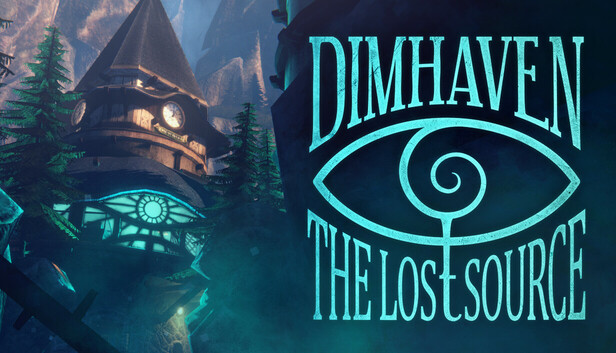
Developer: Zadbox Entertainment
Publisher: Blue Brain Games, Zadbox Entertainment
Genre: First Person, Puzzle
Price: $25.99
Release Date: Jun 23, 2026
Where to buy: Steam
Developed by Zadbox Entertainment and published alongside Blue Brain Games, Dimhaven: The Lost Source stands as a spiritual and design successor to the acclaimed 2016 puzzle-adventure Quern: Undying Thoughts. Released in mid-2026, the title plunges players into a first-person, exploration-driven narrative where observation and deduction take precedence over twitch mechanics or combat. Taking place in the mid-1980s, the game places players in the shoes of Emily Ravenstone, a museum curator who receives a troubling lead regarding her missing uncle, Zack. Dropping into the mystery with little more than her wits and a camera, Emily sets out to navigate a forgotten tourist destination that hides far deeper, supernatural secrets.
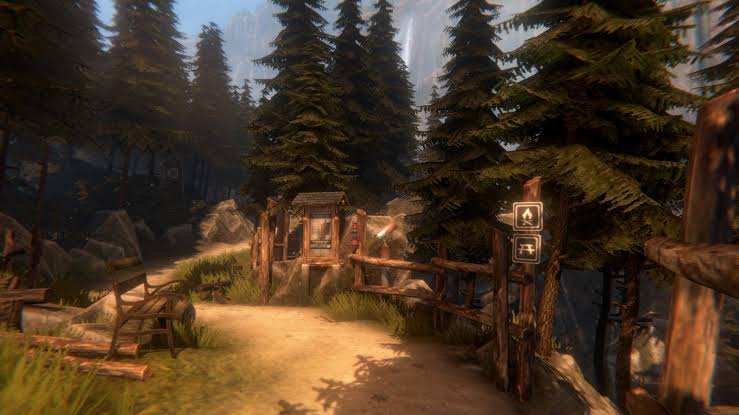
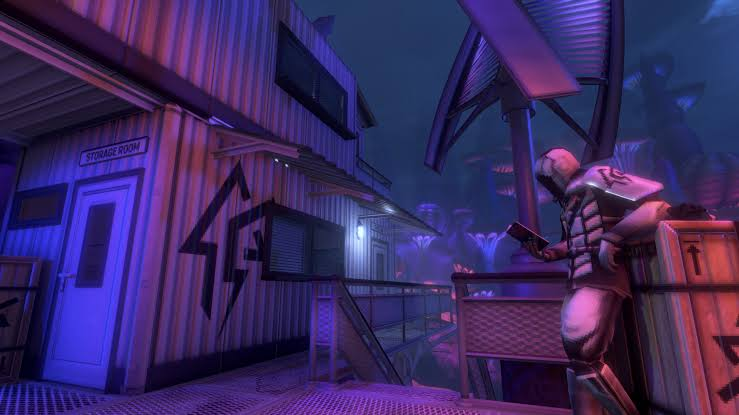
The central narrative revolves around the desolate island of Dimhaven—a once-vibrant seaside resort destination that fell into sudden decay and complete isolation following mysterious incidents years prior. Emily’s journey begins as a straightforward search-and-rescue mission to locate her uncle, but quickly pivots into an investigation of ancient forces and secret organizations. As players traverse abandoned tourist facilities, secluded mansions, underground laboratories, and misty coastal cliffs, they uncover journals, audiotapes, and environmental clues detailing the island’s descent. The narrative weaves a quirky yet eerie atmosphere, blending lighthearted vintage aesthetics with a brooding, mystery-laden underlying plot.
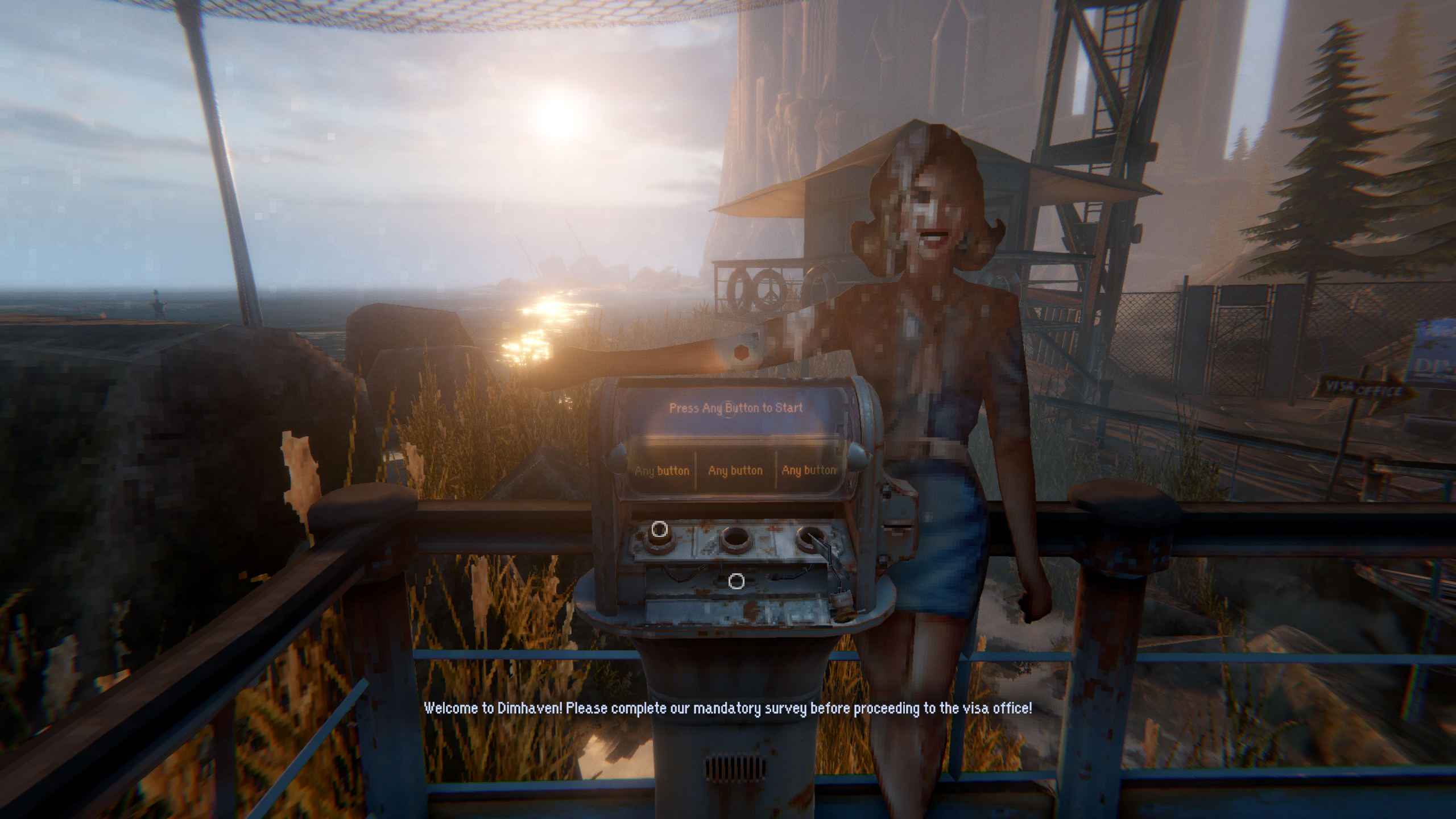
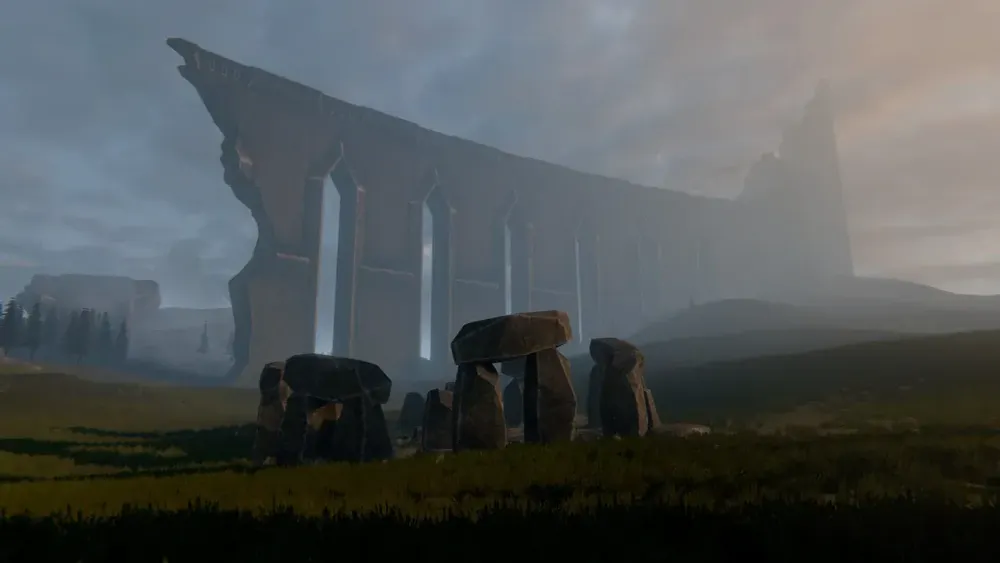
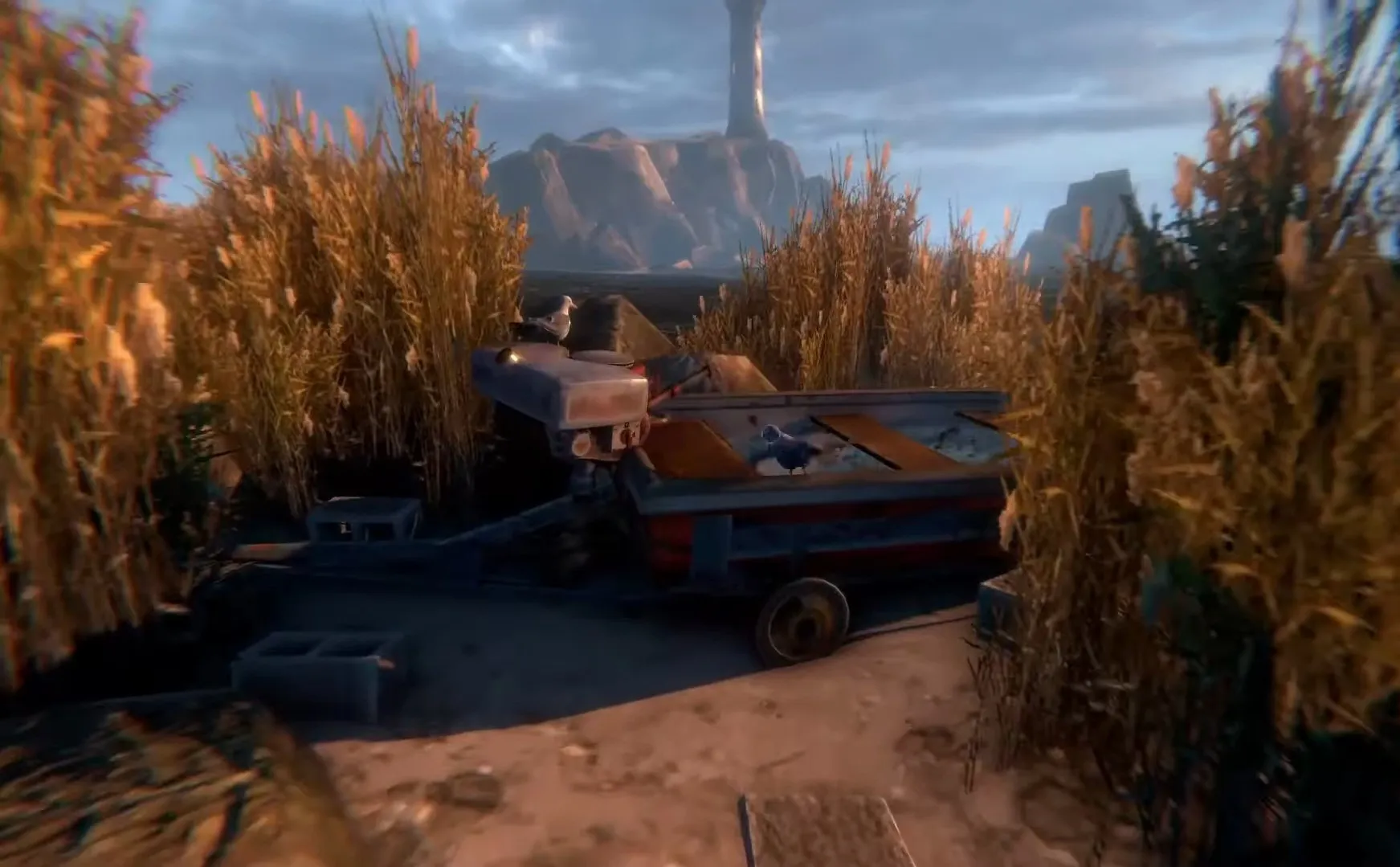
Visually, Dimhaven: The Lost Source employs a distinct design signature that merges modern lighting and complex architecture with an intentional pixelated texture treatment. This stylized approach gives the island an otherworldly, retro-futuristic charm, emphasizing decaying machinery, overgrown greenery, and atmospheric fog. Sunlight breaking through dense forest canopies and reflecting off weathered metal fixtures reinforces the sense of a paradise frozen in time. While the stylized aesthetic has divided some players accustomed to hyper-realism, the environmental lighting and environmental detail succeed in forging a striking, solitary mood throughout the game.
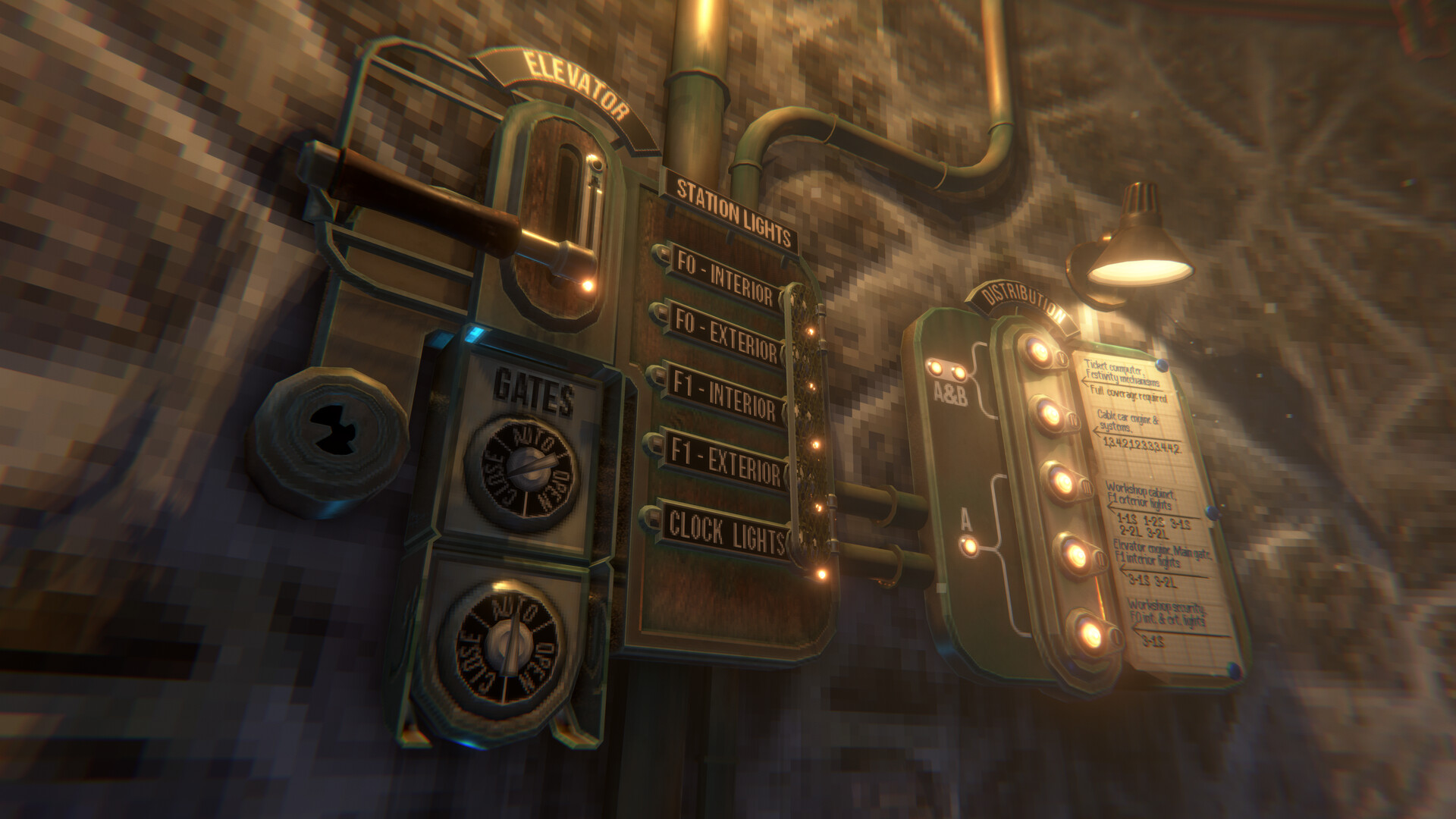
At its core, Dimhaven is a classic “thinky” first-person adventure in the spirit of Myst and Riven. Players freely navigate environments using standard first-person controls, examining objects, pulling levers, adjusting dials, and collecting key items. The game rejects modern hand-holding, offering no explicit objective markers or intrusive waypoint icons. Progression relies entirely on the player’s ability to observe patterns, connect disparate pieces of information across regions, and apply logical reasoning to overcome complex mechanical barriers.
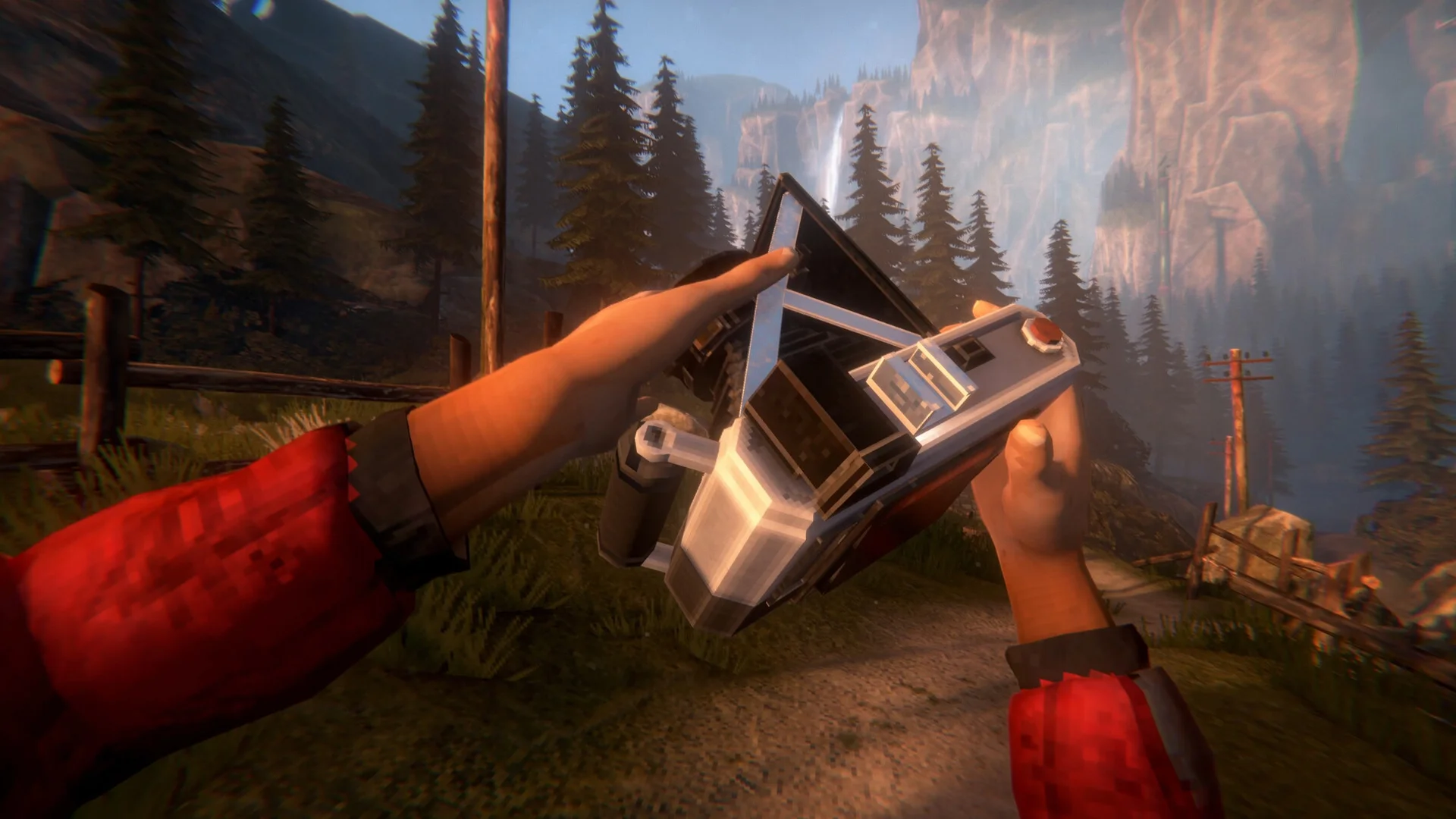
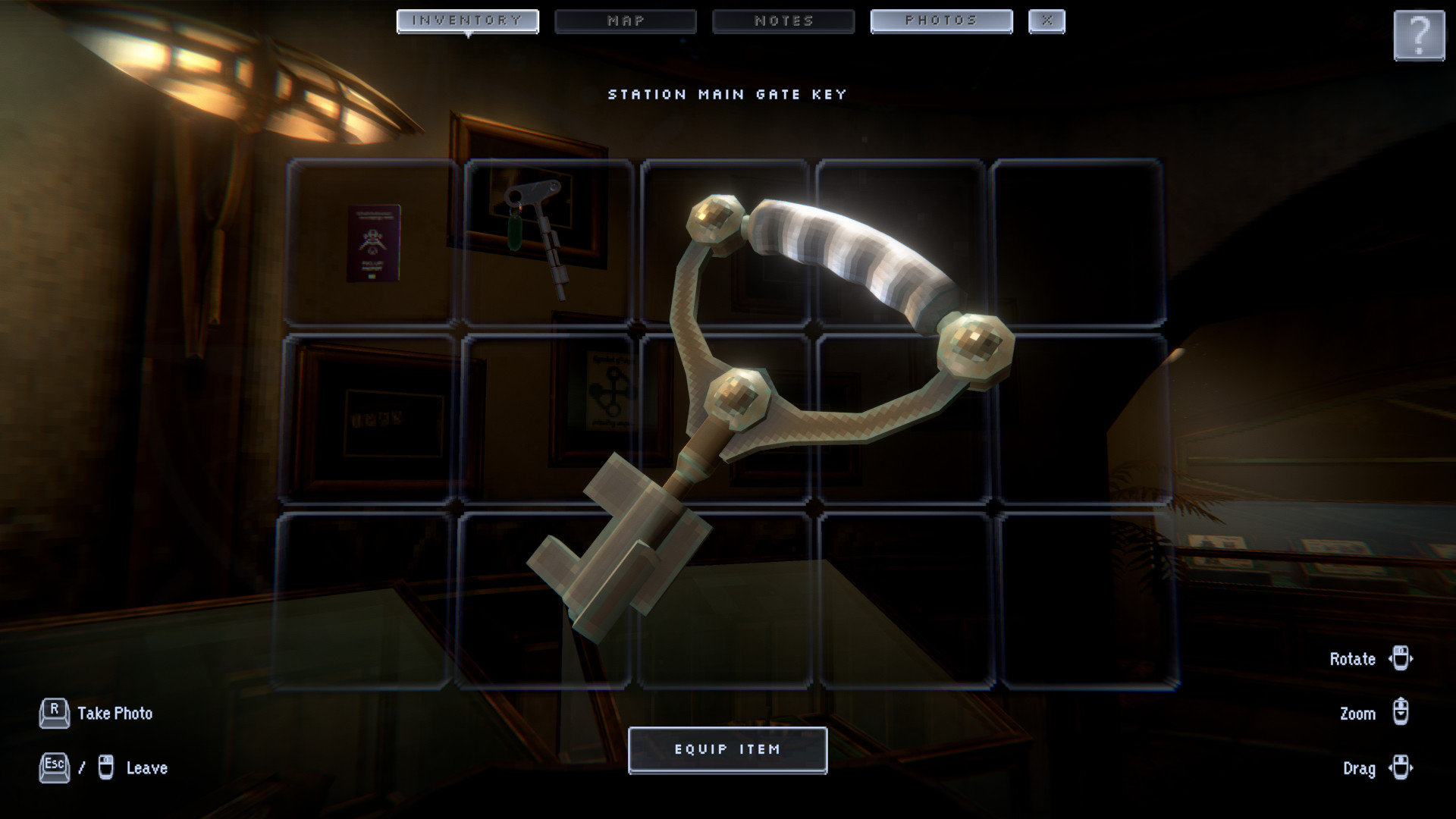
To compensate for its non-linear design and complex multi-part puzzles, Dimhaven provides players with essential in-game analytical tools. Primary among these is a polaroid-style camera and an interactive notebook. Players can photograph environmental clues, diagrams, and cryptic inscriptions throughout the island, saving them to an annotated photo album. From there, players can draw, highlight, and write notes directly onto snapshots. This mechanic significantly reduces tedious back-tracking and encourages an authentic detective-like workflow, though many players still find immense satisfaction in keeping a real-world physical notebook alongside their keyboard or controller.
The puzzle design in Dimhaven is lauded for its variety, ranging from spatial alignment challenges and code-breaking to multi-stage engineering contraptions. Zadbox Entertainment carefully structures the difficulty curve; initial puzzles act as regional tutorials that teach players the logic of local machinery before combining those concepts into sprawling, multi-room brainteasers. The satisfaction derived from uncovering hidden passages or finally decoding an intricate sequence stems from the fact that every solution is anchored in logical rules rather than arbitrary trial-and-error.
The auditory experience plays an indispensable role in shaping the mood of Dimhaven. A synth-infused, ambient musical score dynamically shifts to mirror the environment, ranging from gentle, lonely melodies on sunny coastlines to tense, resonant undertones inside subterranean structures. Sound design is equally tactile; heavy iron gears click with satisfying weight, ancient wooden doors creak, and ambient seaside sounds anchor the world in realism. Voice acting, while sparse, gives distinct personality to Emily and the island’s bizarre past inhabitants through recorded logs and periodic broadcasts.
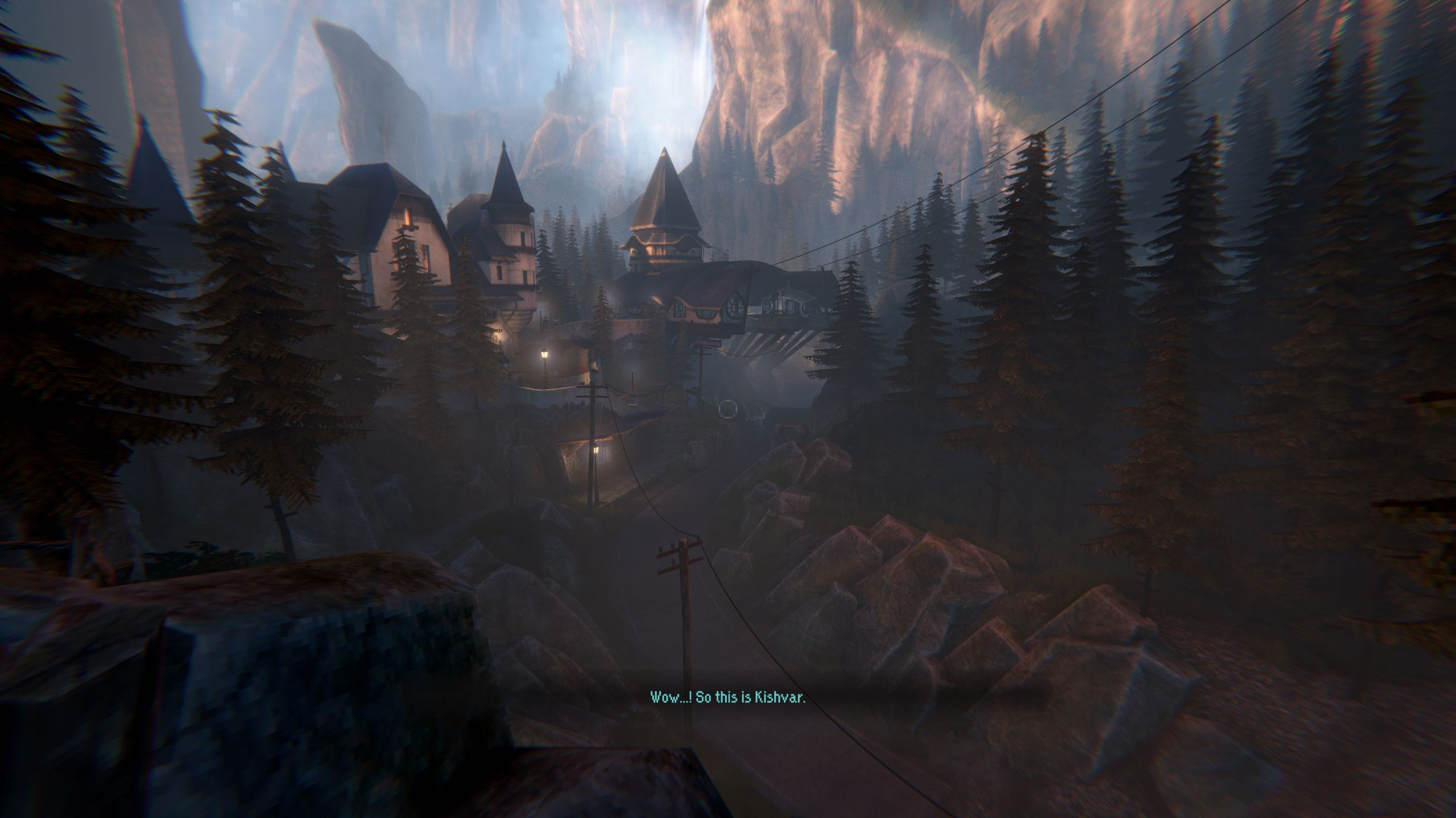
Exploration in Dimhaven is deeply layered, encouraging players to look beyond eye-level structures. Secret chambers are frequently concealed within existing hidden rooms, rewarding meticulous inspection of every bookshelf, wall fixture, and desk drawer. The island itself acts as a massive interconnected puzzle box where activating power in one district might illuminate a previously locked laboratory on the opposite side of a valley. This interconnected structure creates a constant stream of “eureka!” moments as disconnected clues suddenly converge.
In Conclusion, Dimhaven: The Lost Source represents a triumphant continuation of Zadbox Entertainment’s dedication to uncompromising, cerebral game design. By pairing nostalgic point-and-click exploration with modern UI quality-of-life tools, the title delivers a rich, immersive adventure that respects the player’s intelligence. For enthusiasts of logic puzzles, environmental storytelling, and mysterious atmospheric settings, Dimhaven stands out as one of the most rewarding puzzle-adventure experiences of its era.