

Developer: Nested Loop Studios
Publisher: Pantaloon
Genre: Simulation, Construction, Casual
Price: $7.99
Release Date: Nov 10, 2026
Where to buy: Steam
BOXROOM captures the tactile, nostalgic satisfaction of physical media collecting and interior design, translating it directly into a digital sanctuary for your Steam library. Developed by Nested Loop Studios and published by Pantaloon, the title emerged from Early Access into its 1.0 release, offering players a cozy sandbox where digital video games are transformed into physical boxes, cartridges, and display pieces. Instead of navigating endless digital menus or scrolling through plain text lists, players are handed the keys to a customizable room where every game they own can be shelved, stacked, and showcased like prized collector’s items.
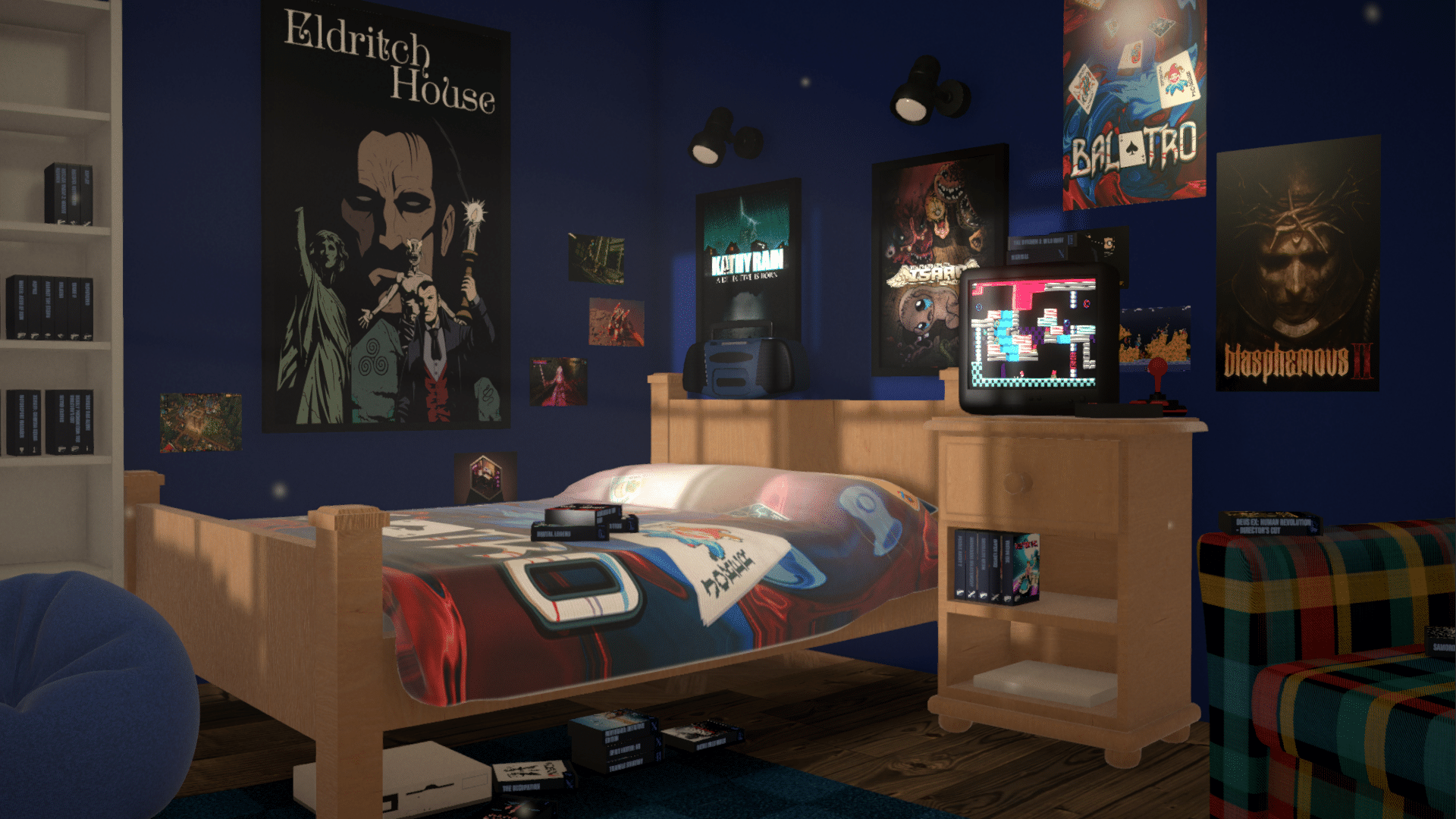
At its heart, the gameplay loop revolves around building, decorating, and meticulously organizing personal spaces. Players browse the “BoxCo Catalogue” to select everything from structural elements like flooring and wall treatments to detailed furniture pieces such as bookshelves, display cabinets, desks, and lighting fixtures. The act of arrangement mimics real-world interior design, inviting players to spend hours tweaking the angle of a poster, aligning game spines with obsessive precision, or creating chaotic, lived-in piles of entertainment.
What sets BOXROOM apart is its direct integration with your actual Steam library. Game data, metadata, and box art are pulled directly into the simulation, bridging the gap between digital ownership and physical nostalgia. Running your virtual fingers across your collection allows you to physically pick up boxes, inspect their covers, and read custom or auto-generated inlays, recreating that tactile thrill of unwrapping a fresh game case or browsing a local video game rental store in the 1990s.
Functionality extends far beyond mere static display; BOXROOM acts as an alternate, immersive launcher for your PC games. Players can physically walk up to a shelf, grab a specific title’s box, and boot the game directly from within the virtual room. This seamless marriage of utility and simulation turns the chore of launching a title into an interactive ritual, making your digital backlog feel like a tangible museum of your personal gaming history.
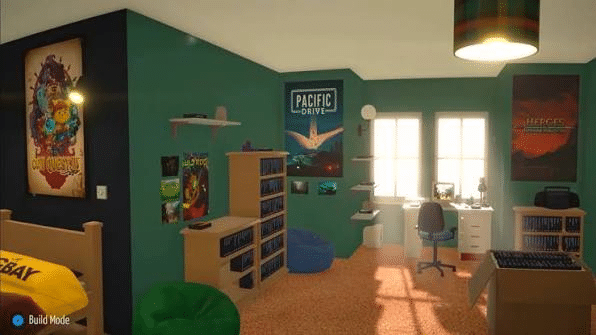
The 1.0 update introduced major quality-of-life upgrades, including a unified item browser, free placement modes that ignore clipping constraints, and dynamic room-merging mechanics for when your collection outgrows its initial walls. Players can expand their footprint from a single modest bedroom into sprawling apartments, themed gaming stores, or ambient artisan cafés, tailoring the spatial layout to match the scale of even the most massive, bloated Steam libraries.
Atmosphere and environmental control play a huge role in grounding the experience. A dynamic outside weather and skybox system allows players to right-click windows and instantly alter the external climate and time of day, casting cozy evening light or rainy afternoon shadows across their curated displays. Coupled with detailed acoustic options—such as customizable 2D background audio, ticking clocks, and ambient room noise—the environment fosters a deeply relaxing, low-stress vibe.
For community-minded creators, Steam Workshop integration opens the door to boundless personalization. Players can import custom textures, personal artwork, and fan-made box variants, ensuring that titles lacking official or appealing Steam banners can still receive custom physical packaging. This modding capability transforms the community into a collaborative hub where rare custom designs and immaculate room layouts are constantly shared and celebrated.
The inclusion of an expanded Photo Mode empowers players to capture and immortalize their interior design achievements. With fine-tuned camera controls, lighting adjustments, and framing options, it caters directly to the “Cribz-style” virtual home tour crowd. Sharing these snapshots across social channels or community Discord servers has become half the fun, as collectors love showing off how they chose to honor their favorite indie gems or childhood classics.
Thematically, BOXROOM taps into a powerful current of digital preservation and curation culture. In an era where physical game boxes, manuals, and brick-and-mortar storefronts have largely vanished for PC gamers, the title provides a comforting emotional anchor. It acknowledges that games are not just data files, but meaningful artistic possessions that deserve a physical home, a place of honor, and a dedicated room to live in.
In Conclusion, BOXROOM succeeds by treating the organization of a video game backlog not as a tedious chore, but as an art form. By blending robust simulation tools, cozy environmental design, and genuine utility, it turns the sprawling chaos of a modern PC library into a warm, inviting physical sanctuary where every player can finally put their favorite games on a pedestal.

