
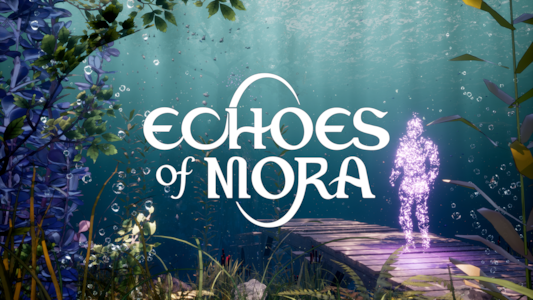
Developer: Selkies Interactive
Publisher: Selkies Interactive
Genre: Story, Puzzle,
Price: $14.99
Release Date: Sep 21, 2026
Where to buy: Steam
Echoes of Mora stands out as a distinctive indie title that masterfully blends narrative depth with atmospheric world-building. From its initial reveal, the game captivated players with its hauntingly evocative soundtrack and handcrafted visual art style. Set within the crumbling, forgotten realm of Mora, the story follows a silent protagonist tasked with piecing together a shattered historical record. Each region of the map offers a unique aesthetic flavor, ranging from sunken coastal towns to overgrown, luminescent ruins. Players are immediately invited to explore every shadowed corner to discover hidden lore and ancient artifacts. The ambient audio design creates an persistent sense of tension and awe as players navigate these lost landscapes. Throughout the journey, subtle visual cues subtly guide the player without the need for intrusive map markers or objective prompts. This deliberate restraint in presentation yields an immersive atmosphere that few contemporary titles manage to achieve. Ultimately, the game succeeds in turning quiet exploration into a profoundly emotional experience.
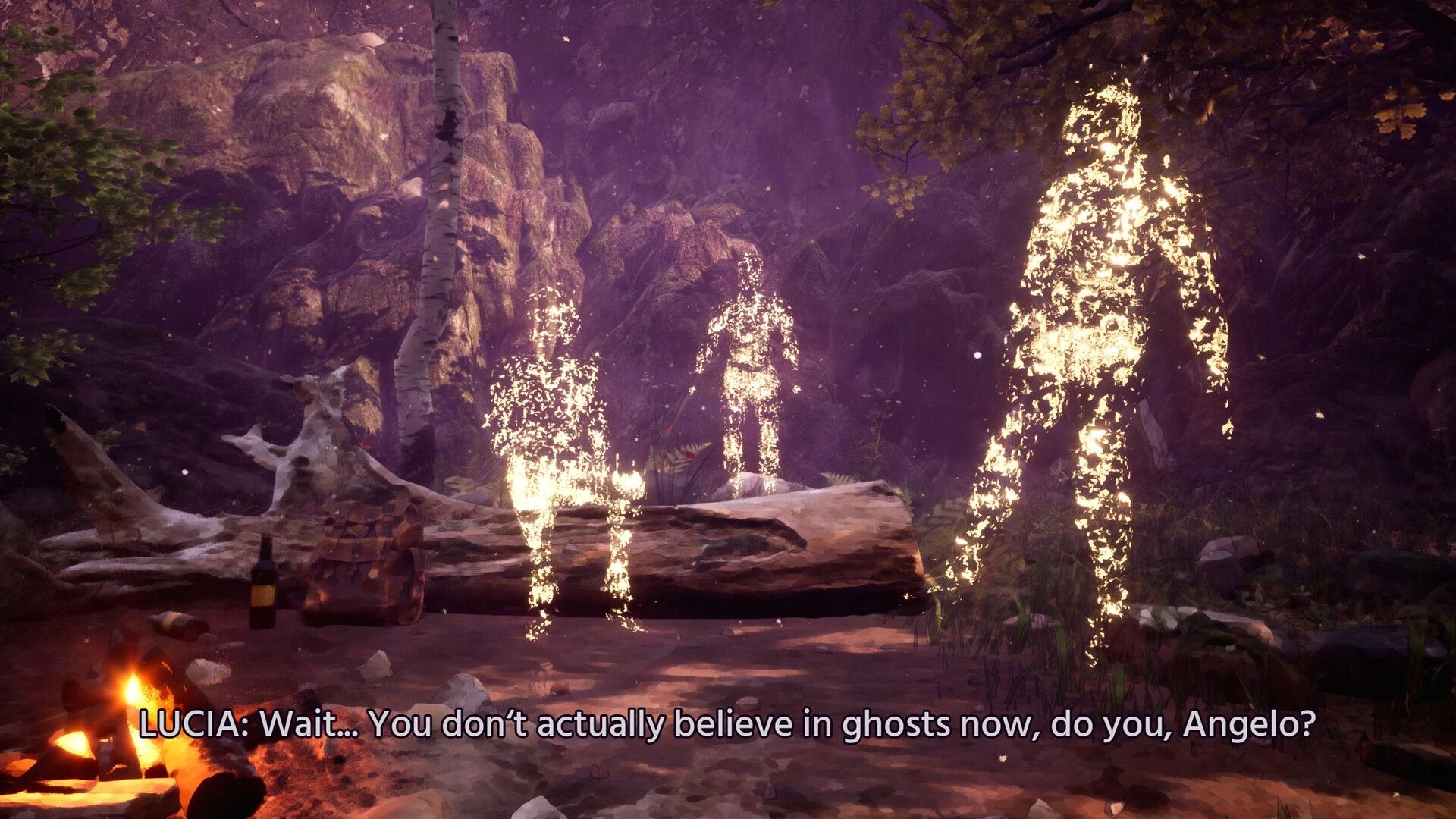
The core gameplay loop centers on dynamic environmental puzzles, light platforming elements, and resource management. Rather than relying on traditional combat mechanics, Echoes of Mora emphasizes spatial reasoning and timing to overcome obstacles. Players acquire specialized abilities represented as harmonic frequencies, which allow them to alter the physical environment around them. Activating ancient mechanisms requires matching resonant tones, creating a rhythmic and deeply satisfying puzzle-solving process. Resource management plays a crucial role, as light sources and energy reserves diminish over time in dark zones. Navigating through dark corridors demands careful planning to avoid getting stranded without a light source. The platforming sections are tuned with high precision, rewarding patient movement and strategic positioning over sheer speed. Minor environmental hazard puzzles encourage experimentation, as failures quickly teach players the distinct rules governing each district. As players progress, mechanics from earlier areas continually combine in fresh and surprisingly challenging ways.
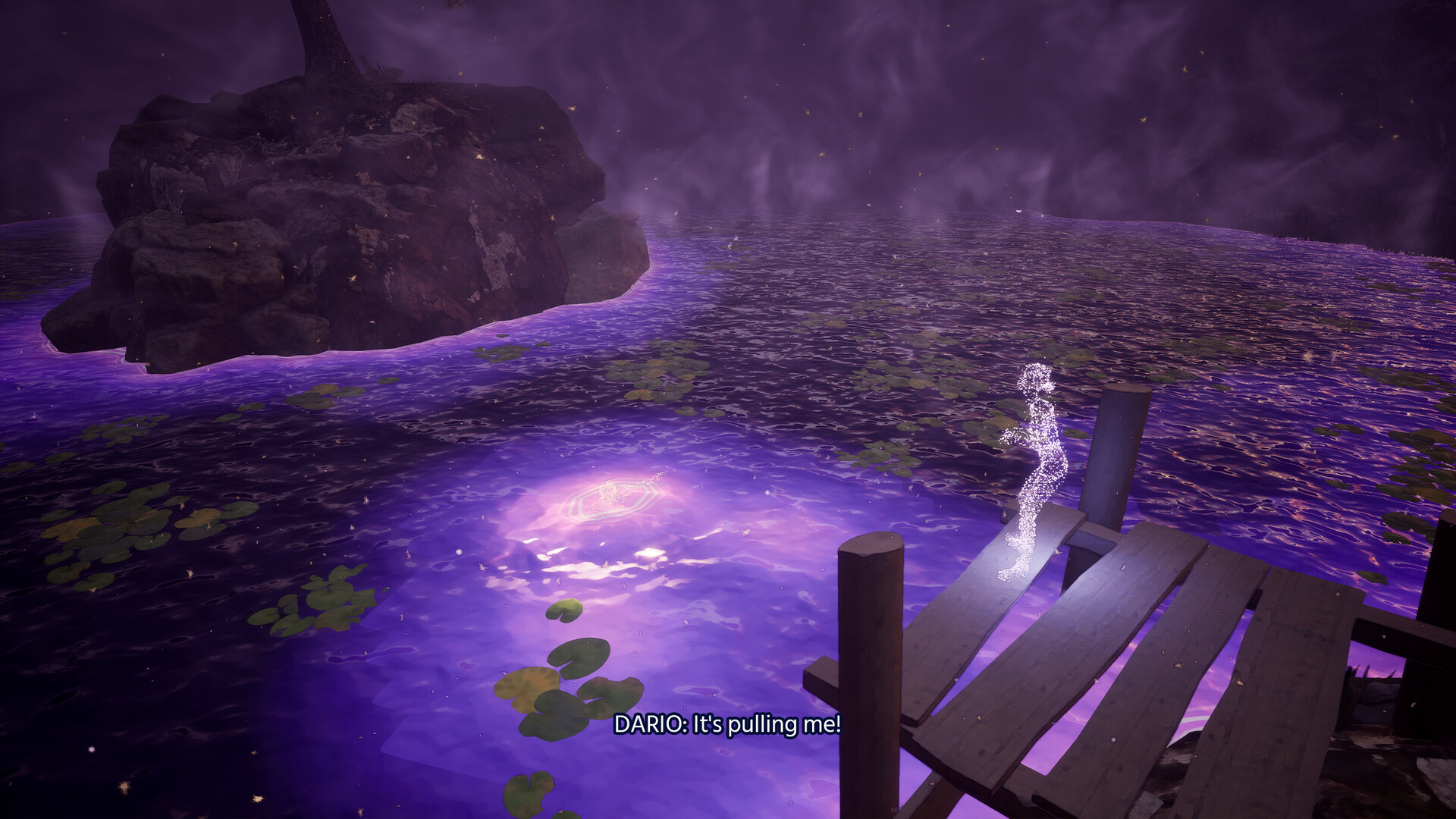
Narratively, Echoes of Mora relies on non-linear storytelling through environmental details and fragmented memory logs. The absence of traditional dialogue forces players to pay close attention to structural ruins, murals, and abandoned personal items. Each discovered memory log acts as a audio-visual snapshot, revealing the tragedy that befell the ancient civilization. The narrative avoids heavy-handed exposition, leaving key thematic elements open to thoughtful player interpretation. Themes of memory loss, ecological decay, and historical cycle recur across every chapter of the adventure. Key characters are encountered primarily as lingering spectral echoes, giving brief glimpses into their final moments. This method of delivery makes uncovering the central mystery feel like a rewarding historical detective project. The emotional weight of the story builds gradually as players piece together how the kingdom lost its balance. Every localized plot thread ultimately ties back to the central phenomenon that tore the world apart. Consequently, the narrative remains compelling and thought-provoking from the opening moments to the final reveals.
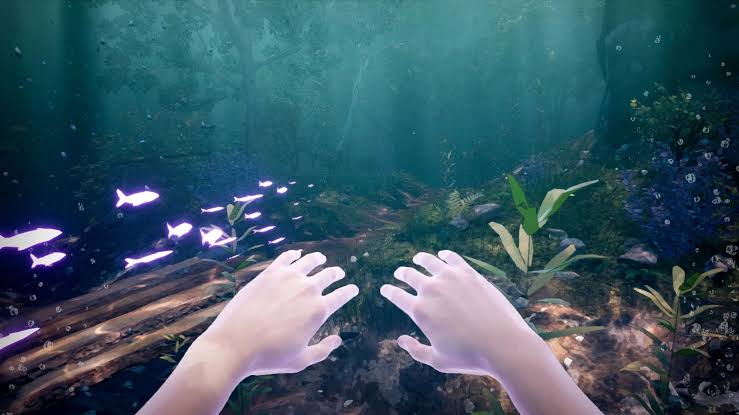
From a visual standpoint, the game employs a breathtaking hand-painted palette dominated by deep blues, muted grays, and glowing golds. The art directional choice serves both a thematic purpose and an important functional role in gameplay. Brightly illuminated areas signal safety or key interaction points, whereas muted areas signal danger or hidden secrets. Shadows dynamically stretch across the environment, enhancing the sense of scale in cavernous subterranean structures. Smooth character animations contrast beautifully with the static, grand architecture of the ruined world. Particle effects, such as floating dust motes and glowing embers, add an extra layer of visual polish to every scene. Camera angles shift dynamically during critical moments, framing majestic views that highlight the world’s ruined beauty. This artistic precision extends even to the user interface, which remains minimal and entirely integrated into the world itself. The visual presentation creates a cohesive digital canvas that feels alive despite the story’s somber undertones.
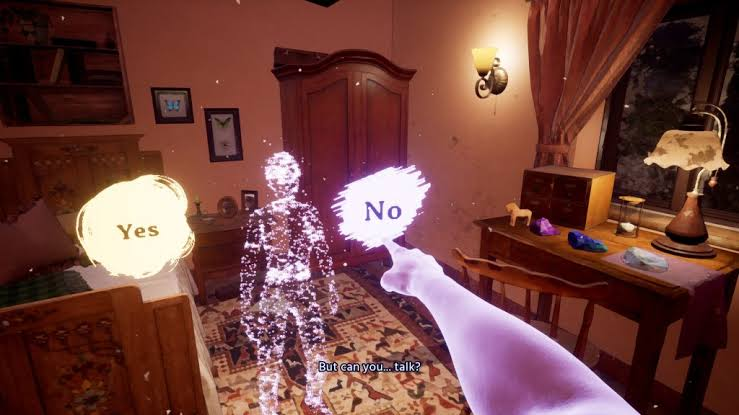
The sound design in Echoes of Mora deserves equal praise, serving as the emotional heartbeat of the entire title. Dynamic acoustic compositions seamlessly adapt to player movement, shifting smoothly between serene reflection and rising tension. Instruments like solo cellos and delicate piano chords define the game’s melancholic and lonely atmosphere. Sound effects are meticulously layered, from the reverberation of footsteps on wet stone to the humming of ancient energy grids. Audio cues often provide essential hints for solving intricate spatial puzzles hidden throughout the ruins. The acoustic design compensates for the complete absence of spoken dialogue, conveying deep emotion purely through tone and melody. Quiet silence is used just as effectively as full orchestral swells, heightening moments of isolation or discovery. Players often find themselves pausing simply to listen to the environmental soundscapes woven into each zone. Music and sound effects work in total harmony to elevate the emotional resonance of key narrative milestones. The overall audio production sets a gold standard for atmospheric storytelling in modern indie game design.

Level design in Echoes of Mora strikes a fine balance between open-ended exploration and guided progression. The world is structured as a interconnected web of distinct biomes, each presenting its own unique spatial challenges. Shortcut paths regularly loop back to central hub locations, rewarding observant players who map out the environment. Distinct landmarks are visible from afar, giving players natural navigation anchors without cluttering the screen with UI waypoints. Hidden areas are subtly marked by environmental anomalies, encouraging curious players to venture off the main path. Transitioning between biomes feels fluid, with no loading screens interrupting the sense of continuous immersion. Puzzles within each level are designed to teach mechanics organically, starting simple before introducing intricate variations. Environmental hazard layouts require players to think several steps ahead to maintain their current progress safely. The verticality of the world design adds impressive scale, making ascents feel heroic and descents appropriately dangerous. Every level feels purpose-built to tell a piece of the world’s forgotten history through its geometry alone.
Character progression in the game takes an unconventional approach, prioritizing mechanical knowledge over numerical level stats. Instead of acquiring experience points or stat upgrades, players gain new tools that change how they interact with the world. Early mechanics are constantly recontextualized as new environmental abilities are unlocked throughout the journey. This philosophy ensures that player growth feels tied directly to personal mastery rather than artificial stat grinding. Mastered movement techniques allow players to glide through previously difficult areas with remarkable speed and grace. The character’s responsiveness to player inputs remains crisp, ensuring that precise actions feel entirely fair and predictable. Minor equipment modifications offer subtle utility tweaks, allowing players to tailor their utility loadout to their preferred playstyle. By tying progression to environmental agency, the game maintains a steady and gratifying sense of player empowerment. The protagonist’s evolution from lost survivor to master explorer mirrors the player’s own growing understanding of the world. Ultimately, this organic progression system keeps the gameplay engaging and fresh across the entire experience.
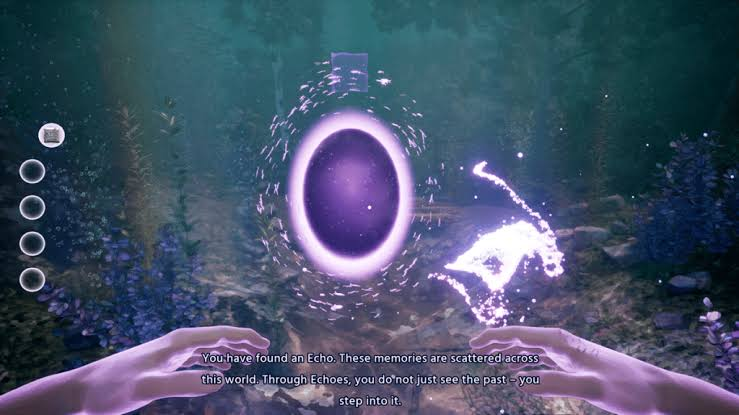
The pacing of Echoes of Mora is thoughtfully structured, alternating between tense challenges and quiet, contemplative downtime. High-stakes puzzle sequences or hazardous navigation sections are routinely followed by tranquil resting spots containing lore logs. This deliberate rhythm prevents gameplay fatigue, allowing players to process narrative details at their own comfortable speed. The game never rushes the player, providing ample time to appreciate environmental details or test new mechanics. Difficulty curves upward smoothly, introducing complex multi-stage obstacles only after mastering fundamental controls. Key story beats are given room to breathe, maximizing their dramatic impact without feeling artificial or drawn out. Optional secret areas offer stiffer mechanical challenges for players seeking a tougher test of their spatial skills. Boss-like encounters take the form of large-scale environmental escape sequences rather than traditional combat trials. This balanced approach to pacing keeps the momentum steady across the game’s entire runtime. As a result, the gameplay experience feels tightly curated while still honoring player agency and curiosity.
In conclusion, Echoes of Mora stands as a remarkable achievement in atmospheric game design and environmental storytelling. By seamlessly weaving together brilliant visuals, evocative audio, and intuitive puzzle mechanics, the game creates an unforgettable world. It proves that compelling stories do not always require heavy exposition or verbose dialogue to make a lasting impression. Every design choice, from level geometry to soundscapes, serves to deepen player immersion in the lost realm of Mora. The organic progression system and balanced pacing ensure that exploration remains consistently rewarding from beginning to end. While many modern titles rely on flashy combat or massive worlds, this game thrives on focus, mood, and artistic cohesion. It serves as a striking reminder of how interactive media can evoke profound emotion through pure environmental mastery. Indie developers and players alike will undoubtedly look back on this project as a benchmark for thematic world-building. Ultimately, Echoes of Mora leaves a lasting impression that lingers in the mind long after the final credits roll.