
Developer: Tripwire Interactive
Publisher: Tripwire Interactive
Genre: FPS
Price: $39.99
Release Date: Jul 24, 2025
Where to buy: Steam, Epic, PSN, XBOX,
The history of the Killing Floor franchise is a classic story of a community passion project evolving into a flagship commercial IP.
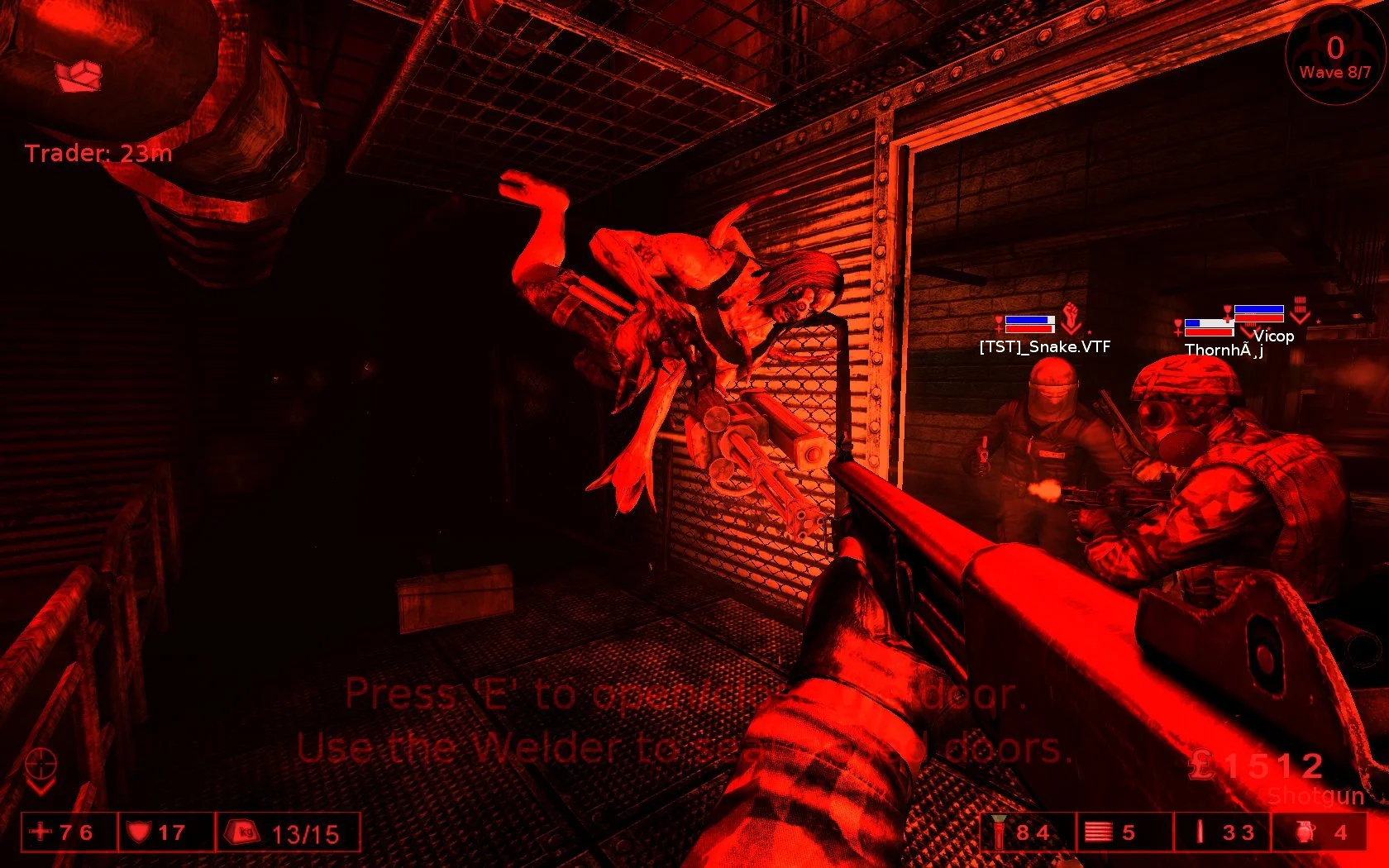
It all began in 2005 when lead developer Alex Quick and a dedicated group of modders created the original Killing Floor as a total conversion mod for Unreal Tournament 2004. Instead of standard competitive arena combat, the mod introduced a wave-based co-op survival experience against bio-engineered specimens known as Zeds. This early build laid the groundwork for the franchise’s identity: players fought through intense rounds, earned cash for kills, visited a trader shop between waves to buy gear, and triggered cinematic slow-motion “Zed Time” during intense moments.
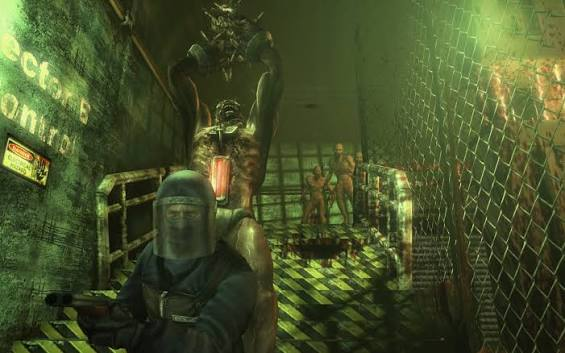
By 2009, independent developer Tripwire Interactive recognized the mod’s cult popularity, acquired the rights, and hired Quick to helm a full standalone commercial release. Launching on PC in May 2009, Killing Floor expanded its setting to a dark, chaotic London overrun by Horzine Biotech’s failed genetic experiments. The game emphasized strict six-player cooperation, door-welding tactics, and class-based perk specialization. Tripwire supported it for years with free content drops, community-created maps, and seasonal events like Twisted Christmas, setting a high benchmark for live-service post-launch support.
As the brand grew, Tripwire expanded into new formats. In 2014, they released Killing Floor: Calamity, a top-down arcade adaptation, alongside a live-action short film called Killing Floor: Uncovered that detailed the lore behind Horzine’s downfall. A few years later in 2017, they brought the universe to virtual reality with Killing Floor: Incursion, a story-driven VR experience for PC VR and PlayStation VR.
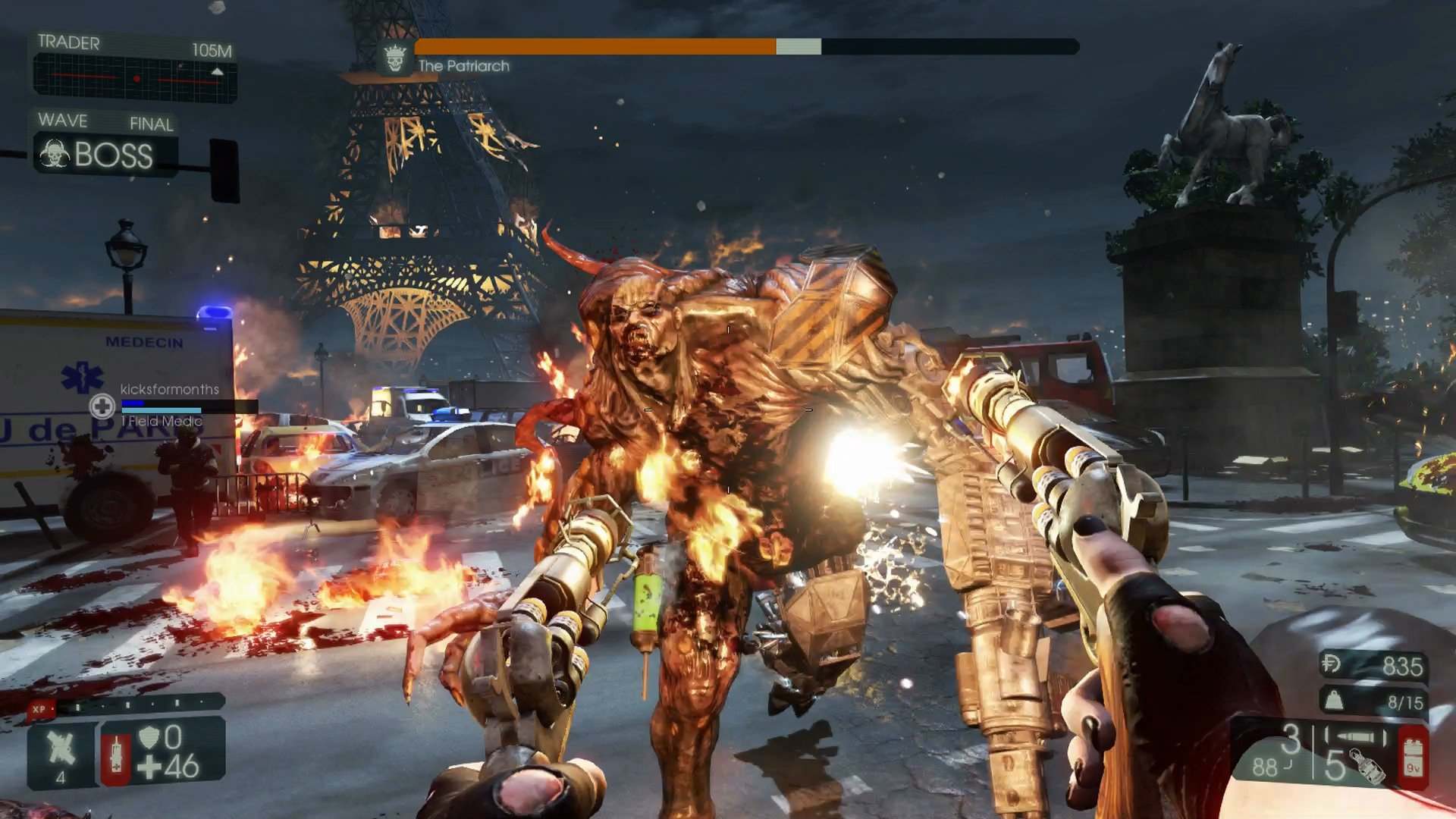
The main series took a massive leap forward with Killing Floor 2, which debuted in Early Access in 2015 before its full PC and console launch in 2016. Moving the action across mainland Europe, the sequel upgraded the franchise’s technical foundation with the proprietary “MEAT” system, allowing for unprecedented procedural gore, limb dismemberment, and persistent blood rendering that stayed on maps throughout matches. It polished the gunplay, added active melee parrying, expanded the perk system, and offered years of live updates, seasonal events, and multiplatform crossplay.
The franchise reached its next chapter with Killing Floor 3, built on Unreal Engine 5. Released on July 24, 2025 across PC, PlayStation 5, and Xbox Series X/S, the sequel shifted the timeline 70 years into the future to 2091. In this dystopian setting, Horzine dominates the world with an army of cybernetically modified Zeds, leaving the rebel group Nightfall as humanity’s last stand. The third mainline entry modernized the core formula by introducing specialized playable agents, deep weapon attachment customization, and dynamic mobility options like sliding and vaulting alongside smarter enemy AI.
When Tripwire Interactive launched Killing Floor 3, expectations were immensely high for the long-awaited successor to one of co-op gaming’s most beloved horde shooters. Built on Unreal Engine 5 and shifting the timeline 70 years into a cybernetic, dystopian future, the title attempts to modernize the classic wave-based survival formula while elevating the franchise’s signature visceral carnage. However, the finished product delivers a distinctly double-edged experience. While Killing Floor 3 succeeds in delivering world-class gunplay, refined mobility, and astounding graphical fidelity, it is held back by a controversial shift toward character-locked specialists, a smaller launch content pool than its predecessor, and restrictive live-service mechanics.
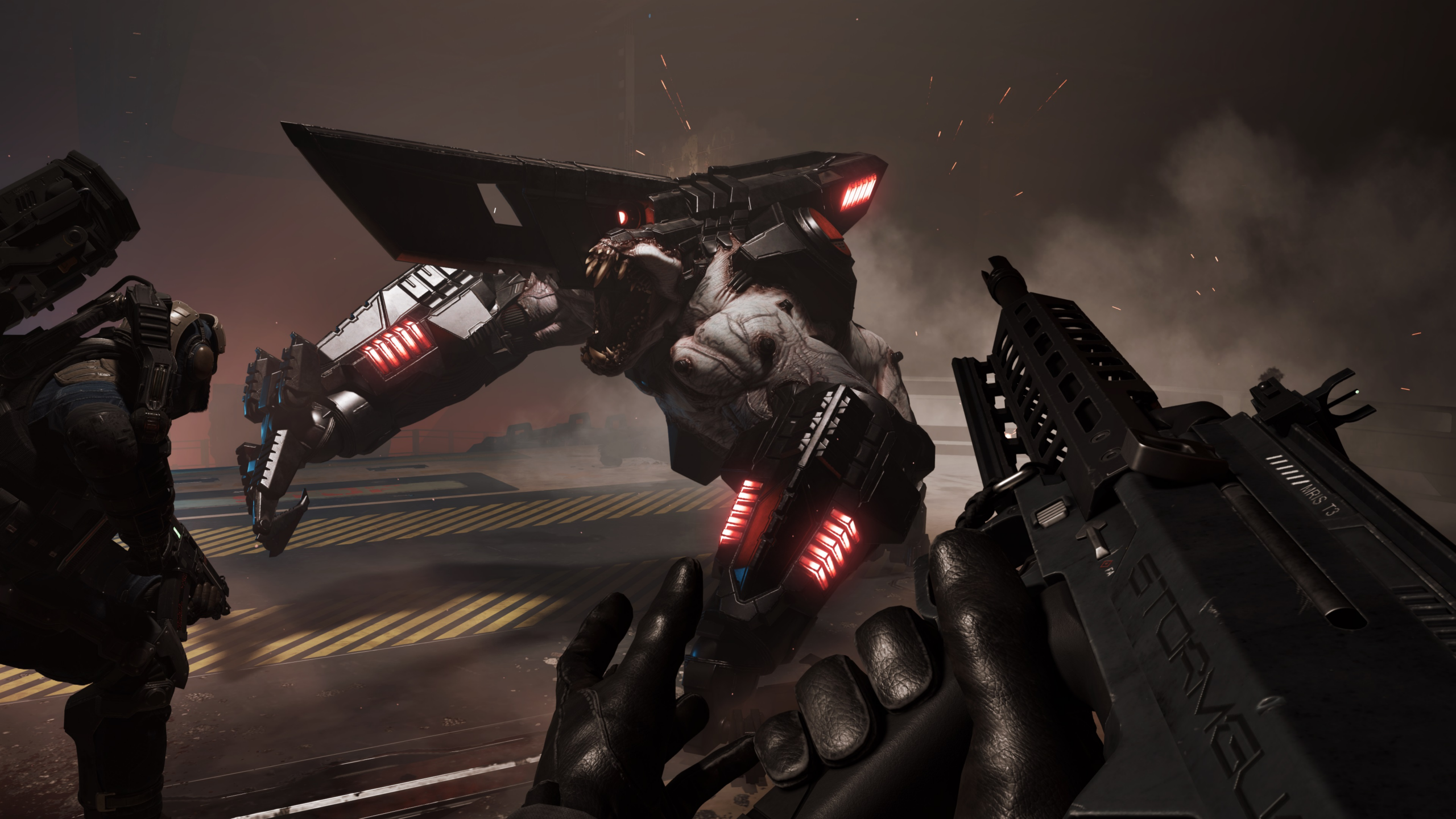
At its core, the second-to-second combat in Killing Floor 3 remains exceptionally polished and satisfying. The transition to Unreal Engine 5 allows for stunning lighting, dense visual detail, and an updated iteration of the franchise’s proprietary “M.E.A.T.” (Massive Evisceration and Trauma) dismemberment system, ensuring every shotgun blast and explosive charge yields dramatic blood splatter and anatomical destruction. Complementing the visual upgrade is a much needed overhaul to player movement; the addition of sliding, mantling, ziplining, and tactical dodging brings a dynamic verticality to matches that forces players to stay active rather than simply turtling in a single room. Gunplay feels punchy and tactile across the board, with signature “Zed Time” slow-motion sequences highlighting the game’s brutal kinetic energy at its absolute finest.
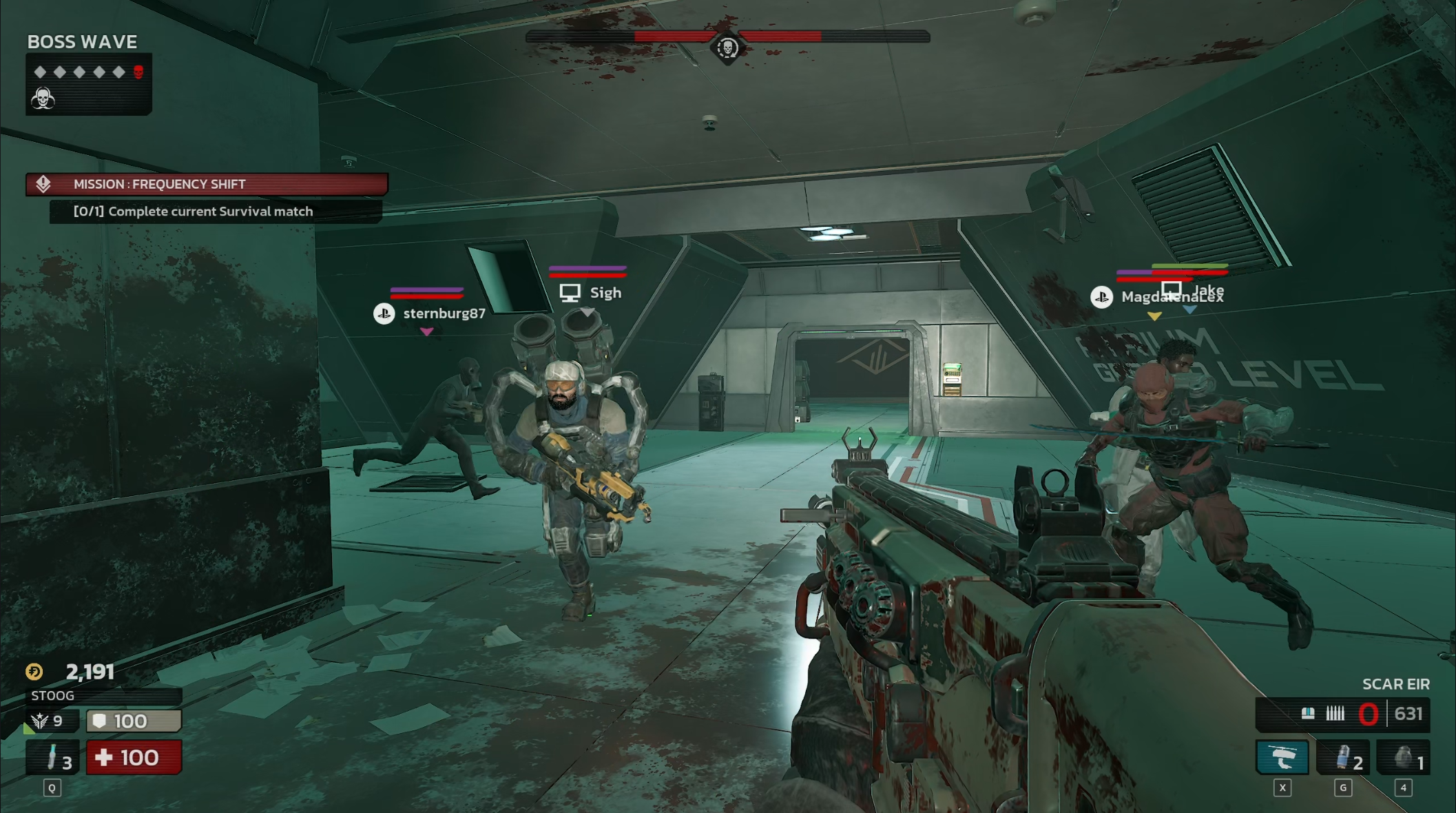
Where the game makes its most polarizing design departure is in its class and customization systems. Replacing the traditional, flexible perk system of prior games, Killing Floor 3 shifts toward a hero-based “Specialist” framework, locking specific abilities, equipment, and playstyles to designated agents like the grappling Ninja or the gadget-focused Engineer. While this approach limits character expression compared to Killing Floor 2, the depth of the weapon modding system helps offset some of the restriction. Players can swap out barrels, receivers, and ammo types—such as converting a Firebug SMG into a high-damage, low-recoil burn tool or adding white phosphorus to shotguns—giving firearm tinkering a genuinely rewarding layer of strategy.
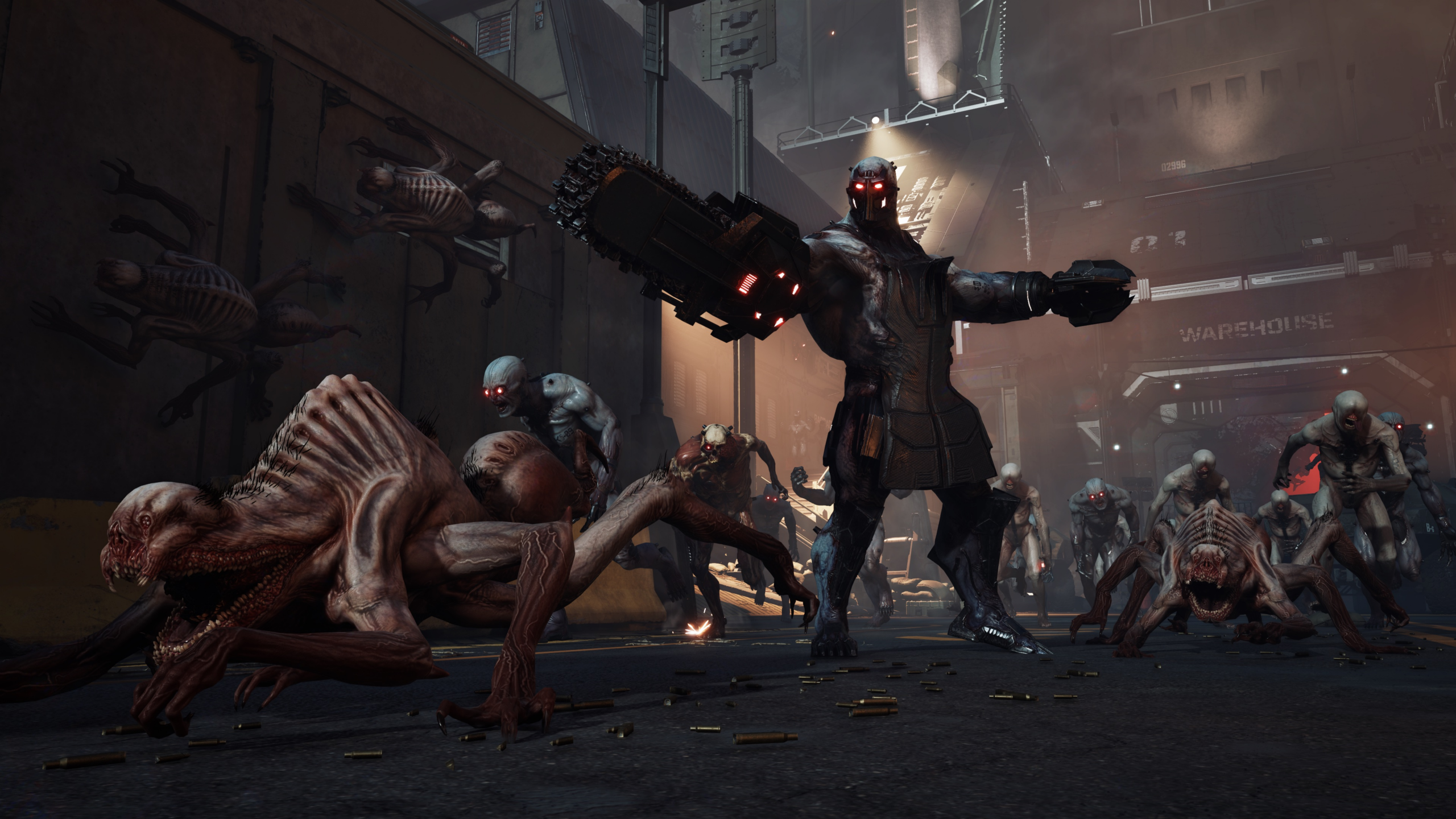
Despite these structural wins, Killing Floor 3 suffers from a noticeable scarcity of launch content when measured against its tenured predecessor. Arriving with only six playable classes, a handful of maps, and three main boss encounters, the match-to-match rotation can quickly start to feel repetitive after a dozen hours of play. Furthermore, the aesthetic pivot away from dark, grounded horror toward a high-tech sci-fi atmosphere—complete with cybernetically augmented Zeds and sleek Horzine military installations—divides the fanbase, trading gritty atmospheric tension for futuristic action-movie fanfare. Compounding these content limitations are aggressive live-service systems, including an in-game shop and a battle pass framework that feels premature for a game still building out its foundational feature set.
Ultimately, Killing Floor 3 stands as a mechanically solid shooter wrapped in a somewhat skeletal live-service package. Tripwire Interactive nailed the fundamental mechanics—the gunplay is thrilling, the movement feels fluid, and the gore engine remains unmatched in the genre. Yet, until future post-launch updates expand the map selection, introduce more bosses, and refine the specialist sandbox, it struggles to completely pull hardcore veterans away from the massive content vault of Killing Floor 2. For players seeking a modern, visually stunning co-op horde slayer to play with friends, Killing Floor 3 offers plenty of visceral thrills, but it will require time and consistent support to reach its full potential.