
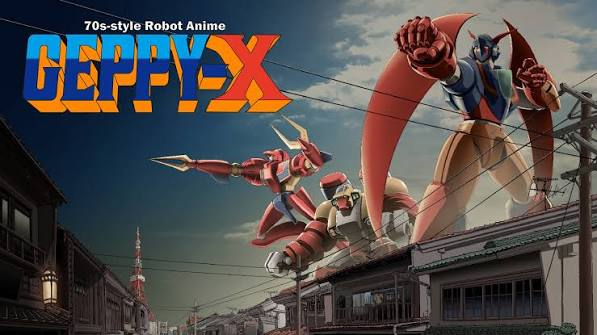
Developer: Bliss Brain Corporation
Publisher: Bliss Brain
Genre: Shmup
Price: $39.99
Release Date: July 16, 2026
Where to buy: Switch
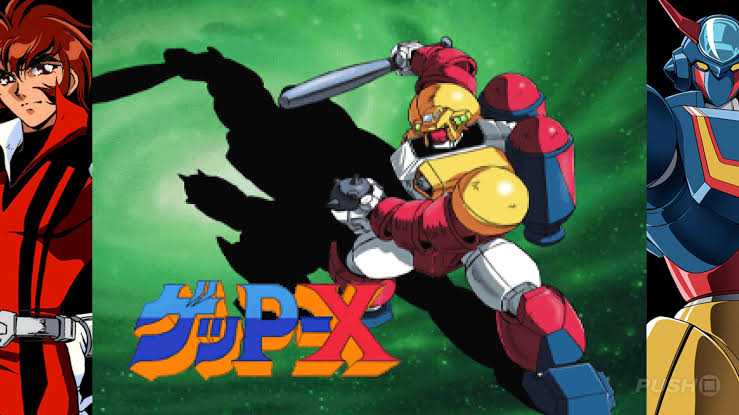
When developer Aroma and publisher PSX originally unleashed 70s Robot Anime Geppy-X in 1999 across four sprawling compact discs, it stood as one of the most unapologetically ambitious love letters to retro mecha ever committed to silicon. Built as a interactive homage to Go Nagai classics like Getter Robo and Mazinger Z, the title leaned heavily into hand-drawn FMV sequences, authentic period vocal tracks, and deliberate structural tropes of 1970s broadcast television. For decades, this cult classic remained locked behind steep import prices, region-encoded PlayStation hardware, and substantial Japanese text barriers. The recent modern port to the Nintendo Switch finally liberates this eccentric relic from obscure import status, preserving its cultural intent while wrapping it in essential quality-of-life additions.
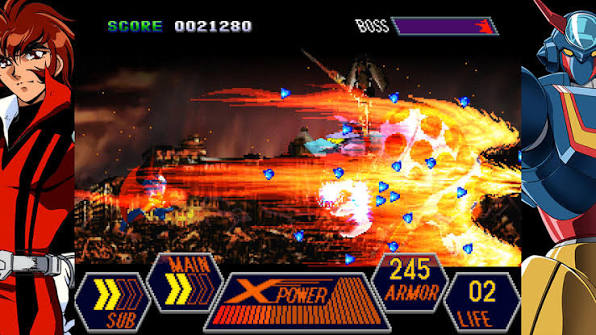
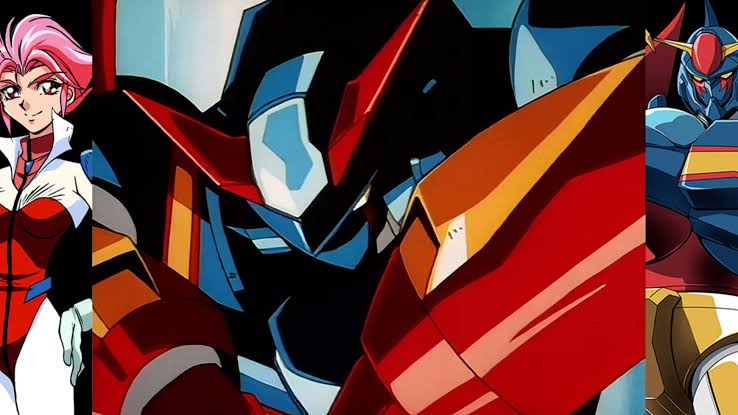
The presentation remains the undisputed centerpiece of the experience, operating with a level of theatrical commitment rarely matched in side-scrolling shoot-’em-ups. Each stage is structured as a full TV episode—complete with energetic opening themes, mid-episode eye-catches, parody commercials, and dramatic “next time on…” previews. The modern Switch remaster elevates this presentation by re-digitizing the original Betacam master tapes, restoring the anime scenes to native 24 frames per second while offering crisp HD upscaling choices. Hearing the booming vocals of anime music royalty like Isao Sasaki and Ichiro Mizuki blast through the Switch’s speakers while watching hand-drawn mech transformations captures a hyper-specific nostalgia that feels remarkably authentic.
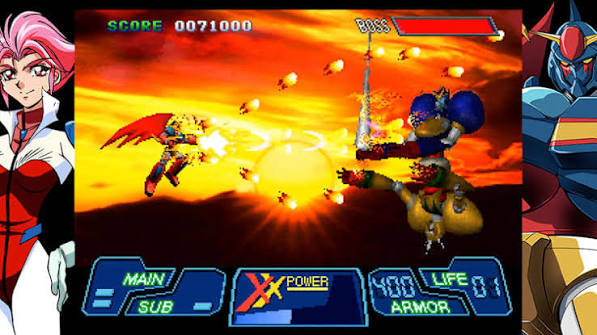
Behind the dazzling anime exterior lies a functional three-in-one horizontal shooter that captures the mechanics of classic transformation mecha. Players control the titular Geppy-X, which can dynamically morph between three distinct vehicle formations mid-flight to adapt to incoming threats. Geppy-1 provides a balanced aerial setup equipped with reliable projectile weaponry, Geppy-2 offers a heavy ground-focused melee style with tight striking ranges, and Geppy-3 acts as a high-damage power unit featuring pincer-arm attacks. Managing your transformation state on the fly, building up your super meter, and unleasing cinematic finisher attacks on massive Space Beasts forms a satisfying, albeit chaotic, core loop.
While the love for the genre shines through every line of code, the core shmup gameplay itself reveals clear mechanical limitations. Geppy-X was notoriously developed by a studio known more for animation flair than precision arcade design, leading to uneven hitboxes and erratic enemy placement across its campaign. The in-game 2D sprites and early pre-rendered graphics lack the crisp detail of the animated cutscenes, creating a jarring visual contrast during active combat. Furthermore, the bulky collision detection on forms like Geppy-1 can make dodging dense bullet patterns frustrating. The game relies heavily on its spectacle and narrative momentum to carry players through what is fundamentally a middle-of-the-road arcade shooter.
In closing: the Switch release of 70s Robot Anime Geppy-X succeeds precisely because it treats its source material with historical reverence. The additions of full English localizations, mid-stage quick saves, a dedicated rewind function, and rapid-fire toggles directly alleviate the original PS1 version’s high difficulty and pacing friction. It stands less as a competitive score-chaser for arcade purists and more as a playable, interactive time capsule of Super Robot television history. For fans of classic mecha aesthetics and obscure 32-bit oddities, having this lavish multi-disc experiment running natively on a handheld console is an absolute treat.