

Developer: Panache Digital Games
Publisher: Panache Digital Games
Genre: Action-Adventure
Price: $29.99
Release Date: Aug 25, 2026
Where to buy: Steam, Epic,
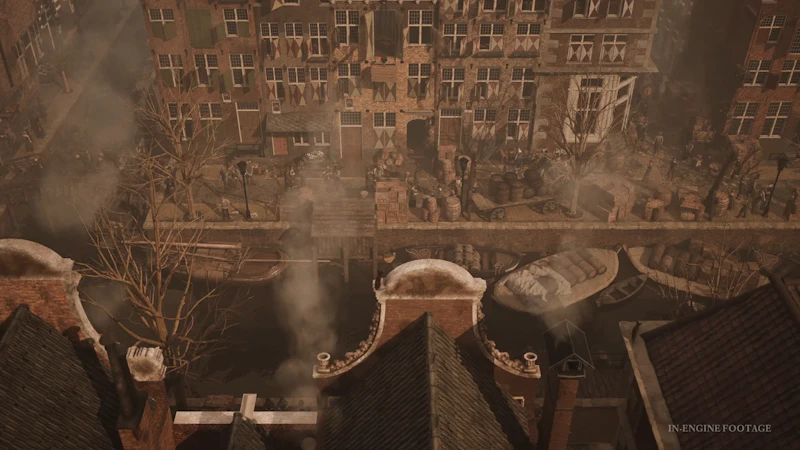
The history behind 1666: Amsterdam plays out like one of the most turbulent development sagas in modern video game history. Originally envisioned over fifteen years ago by Patrice Désilets—the creative mastermind behind Assassin’s Creed—the game was shelved following studio buyouts, corporate cancellations, and a lengthy legal war over intellectual property rights. Reemerging under Désilets’ independent studio, Panache Digital Games, the title was finally brought into the public eye and launched into Early Access in late August 2026. The initial release gives players a direct look into a project that balances lingering historical ambition with modern genre experimentation.
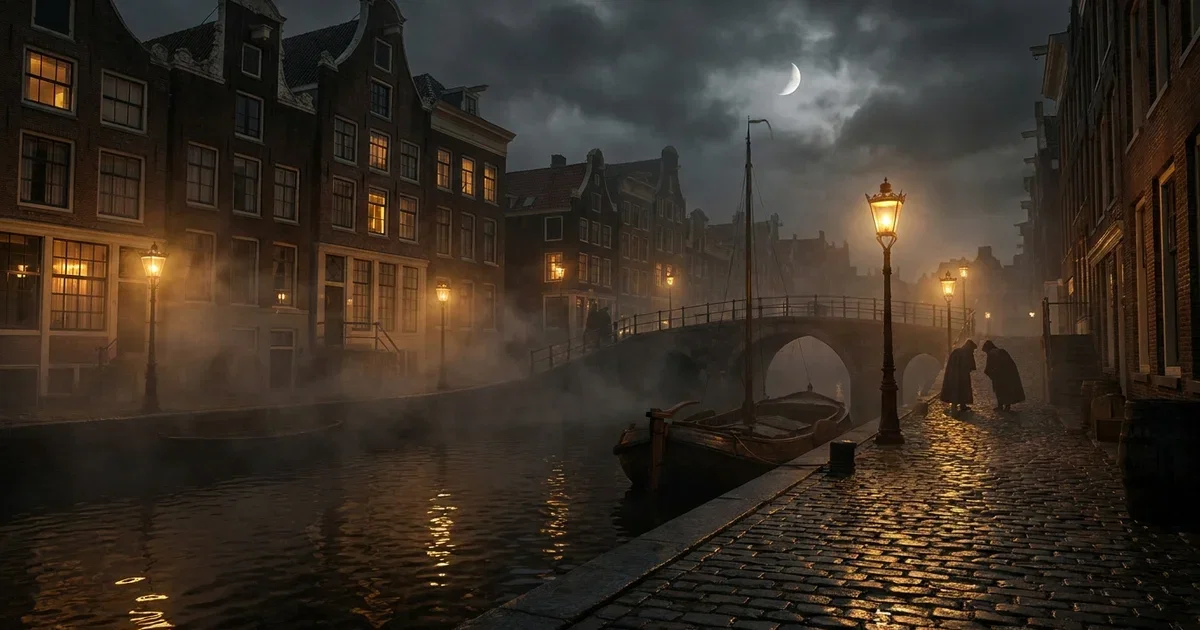
At its core, the game’s early build establishes a uniquely layered narrative structure that spans across multiple timelines. Set primarily during the Dutch Golden Age, players take control of Noa Brooklyn, a coven-trained witch designated as “The Collector”. Her mission is to track down and reclaim corrupted demonic entities known as “The Originals” hiding within the general population. In a dynamic twist reminiscent of classic Assassin’s Creed framing, the narrative integrates a modern timeline involving a young man named Aaron, whose consciousness is mysteriously cast back in time into Noa’s black cat familiar. This framing gives the title a strong, distinct personality that blends occult mystery, time travel, and dark fantasy.
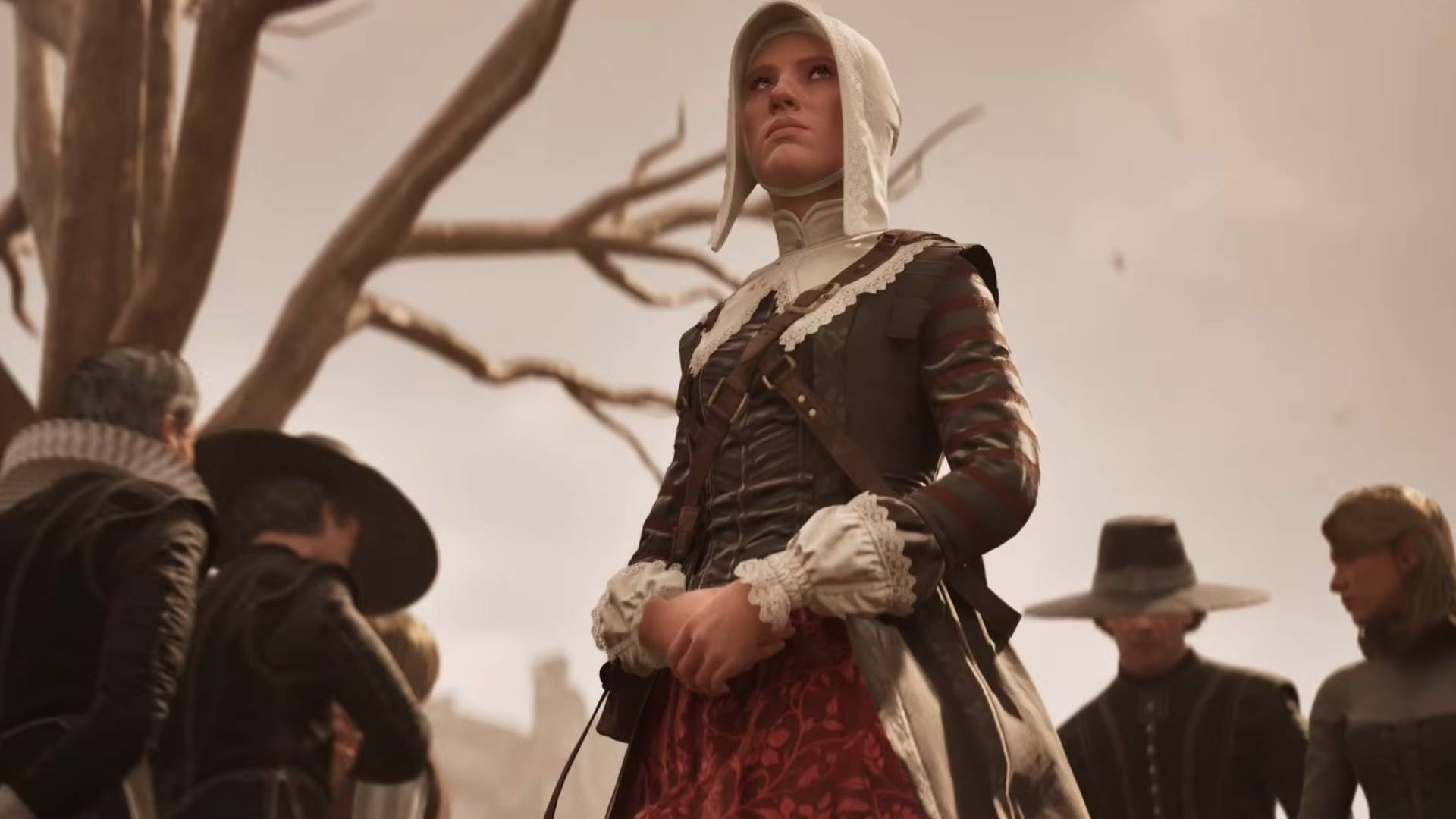
Early gameplay impressions highlight a deliberate, dual-phased structure centered around investigation and confrontation. During the day, players engage in organic detective work, navigating 17th-century Amsterdam to decipher clues, listen in on conversations, and identify hidden targets without map icons or intrusive UI handholding. Players can seamlessly switch to Aaron the cat, using his feline size to squeeze through tight spaces, open pathways, and possess non-player characters to gain entrance to restricted interiors. Once night falls, the game shifts to a supernatural showdown, requiring Noa to harness witchcraft, elemental magic, and broomstick-staff melee strikes to neutralize her targets during full-moon rituals.
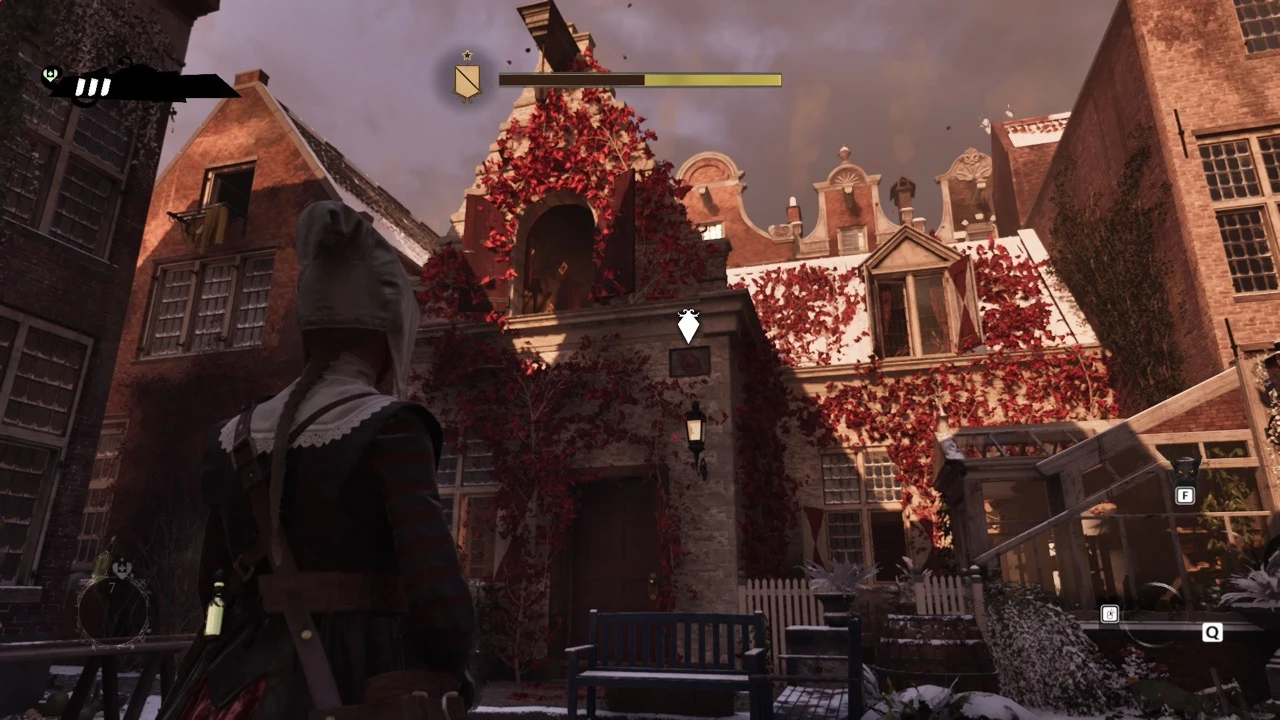
Visually and atmospherically, the Early Access build reveals a striking art direction heavily inspired by Dutch master painters like Johannes Vermeer. The environment features detailed, painterly interiors and vibrant ambient lighting that visually pop during nighttime encounters. However, early impressions note a noticeable gap between vision and execution. While main character models and environmental geometry look gorgeous, background non-player characters and technical performance suffer from inconsistency. Visual bugs, texture clipping, and frame drops frequently pull players out of the immersion, reminding them that the build is very much an in-development product.
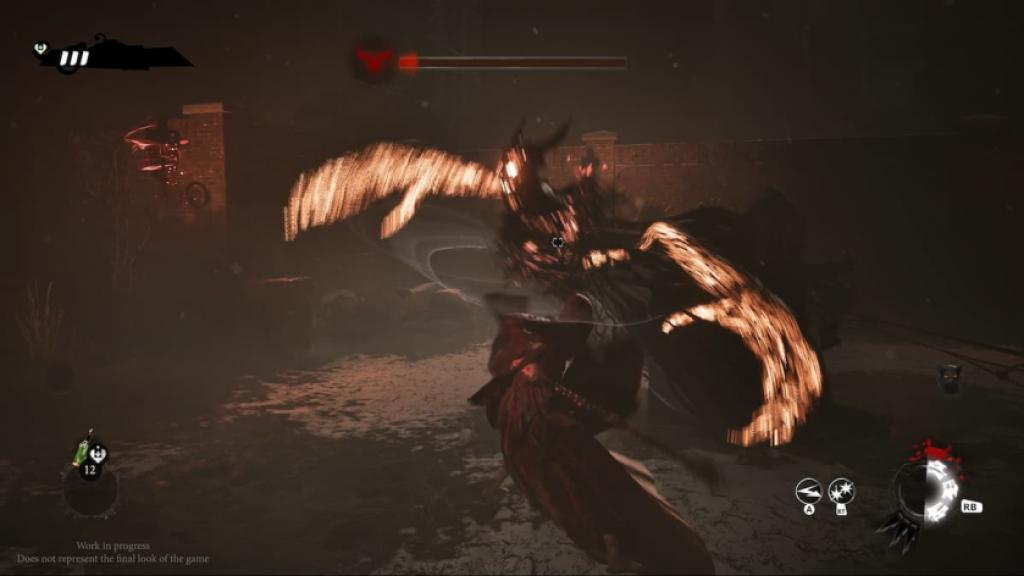
Ultimately, community and critic impressions of 1666: Amsterdam reflect a cautious optimism mixed with clear early-build frustrations. Players praise the title for refusing to rely on generic open-world tropes, celebrating its satisfying detective mechanics, dark atmosphere, and dual-character traversal. On the other hand, the melee combat system feels simplistic and clunky, the stealth mechanics lack tension, and general performance issues hinder momentum. If Panache Digital Games can refine the combat weight, balance the roguelite spell mechanics, and polish its technical issues during its time in Early Access, 1666: Amsterdam has the foundation to evolve into a memorable, genre-defying action-adventure.