
Developer: Andrew Spencer Studios
Publisher: SNEG
Genre: Action, Adventure
Price: $29.99
Release Date: Oct 26, 2026
Where to buy: Steam, GOG
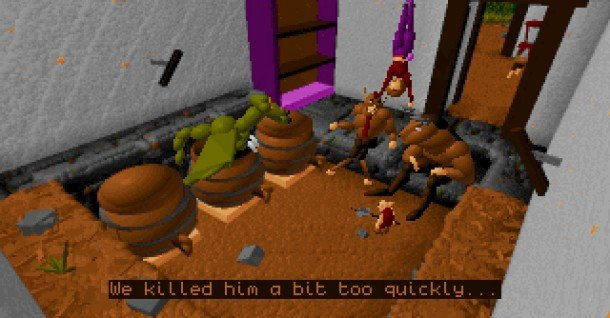
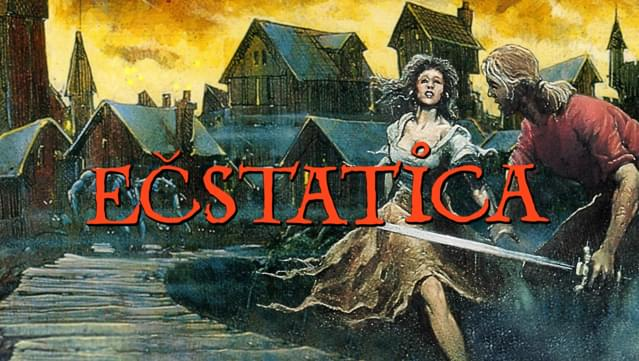
Developed by Andrew Spencer Studios and published by Psygnosis in 1994, Ecstatica stands out as a unique entry in the early survival-horror genre. Arriving shortly after Infogrames’ original Alone in the Dark and preceding Capcom’s Resident Evil, the title carved out its distinct identity through revolutionary rendering technology. Instead of relying on traditional textured polygons, developer Andrew Spencer constructed the entire game environment using curved 3D geometric shapes known as ellipsoids. This visual technique gave characters, monsters, and objects a organic, rounded, and smooth appearance that stood in sharp contrast to the rigid, blocky visuals typical of the mid-1990s PC gaming era. Combined with fixed camera angles that mimicked cinematic perspective, Ecstatica delivered a creepy atmosphere filled with expressive, fluidly animated figures.
The narrative of the original Ecstatica begins with a simple premise that quickly devolves into a nightmare. The unnamed protagonist, traveling through a dark medieval countryside, stops in the secluded village of Tirich seeking nothing more than shelter and a drink of water. Instead of a quiet town, he discovers a settlement completely overrun by demonic entities, cultic forces, and monstrous beasts. Shortly after arriving, the hero finds himself trapped within the village boundaries, hunted by creatures that seem to enjoy tormenting him. To survive and break the dark curse gripping the village, the player must navigate winding streets, creepy churches, subterranean catacombs, and dense surrounding forests, piecing together the mystery behind Tirich’s downfall.
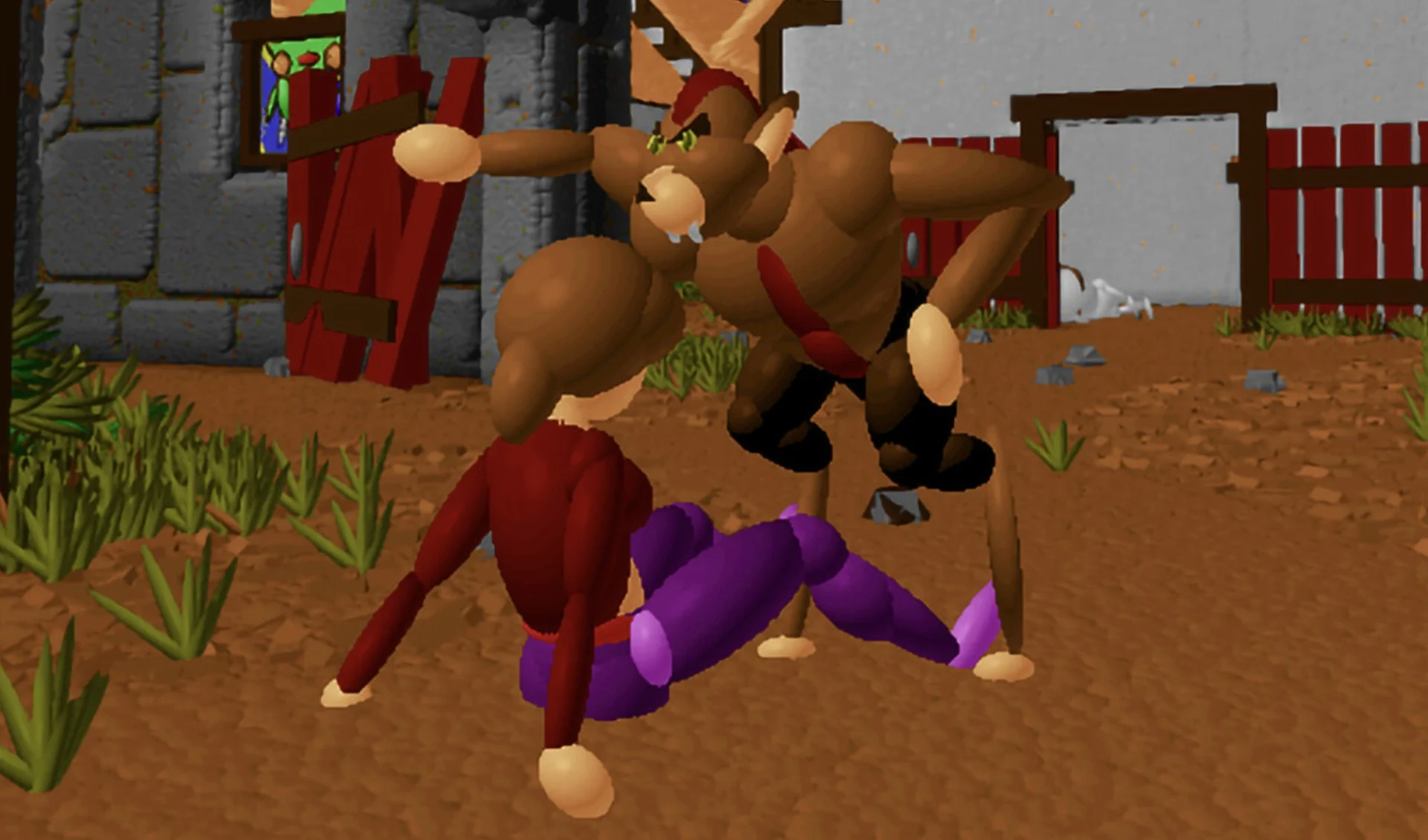
What separates Ecstatica from many contemporary horror games is its distinct British sense of dark humor juxtaposed with genuine dread. The game refuses to take itself entirely seriously, embedding surreal slapstick moments amid horrific encounters. A prominent recurring antagonist is a relentless, stalker-like werewolf who behaves as much like a mischievous cartoon bully as a terrifying beast, often sneaking up on the player, kicking them into corners, or laughing at their misfortunes. Additionally, minotaurs, goblins, and malicious imps populate the village, creating a chaotic environment where danger is unpredictable and often absurd. This blend of fairy-tale malice, Monty Python-style irreverence, and unsettling violence gives the first game an unforgettable identity.
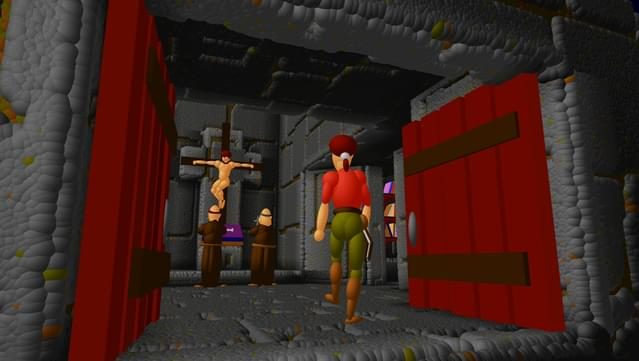
In terms of gameplay, Ecstatica prioritized raw immersion long before modern HUD-less designs became standard. There are no health bars, status counters, on-screen maps, or quest trackers cluttering the display. Instead, the protagonist’s physical state is communicated visually through animations—limping when heavily injured, staggering, or clutching wounds after taking severe damage. Players must actively observe the hero’s body language to gauge their condition. Combat is deliberate and challenging, forcing the player to pick up makeshift weapons like daggers, swords, or heavy clubs, or flee when overwhelmed. Environmental interaction relies on inventory management, item combination, and solving esoteric puzzles while avoiding roaming monsters that do not respect area transitions.
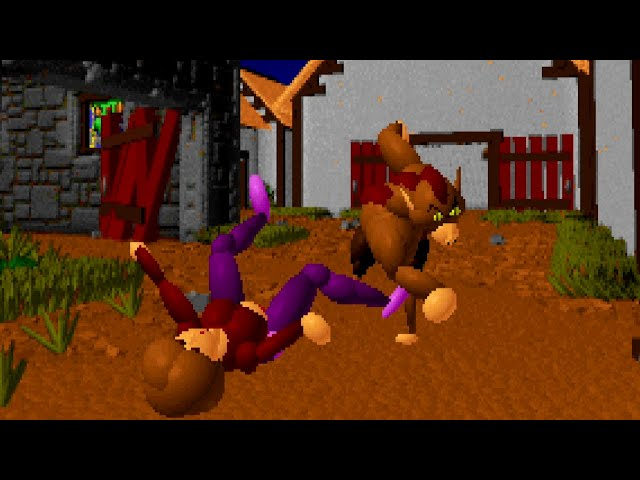
As the player delves deeper into Tirich’s secrets, they discover that a young woman named Ecstatica has been possessed by a demonic lord and held captive at the heart of the village’s corruption. Reaching her requires solving intricate medieval riddles, brewing magical transformation potions—such as turning into a tiny squirrel to access hidden passages—and confronting nightmarish apparitions. Ultimately, the hero descends into the dark dungeons below the village, defeats an evil mirror-doppelgänger of himself, and slays a massive dragon form assumed by the demon lord. By breaking the dark hold on the realm, the hero frees Ecstatica from her possession, lifts the curse from Tirich, and sets the stage for the narrative’s continuation.Paragraph 6: Transition to Ecstatica II
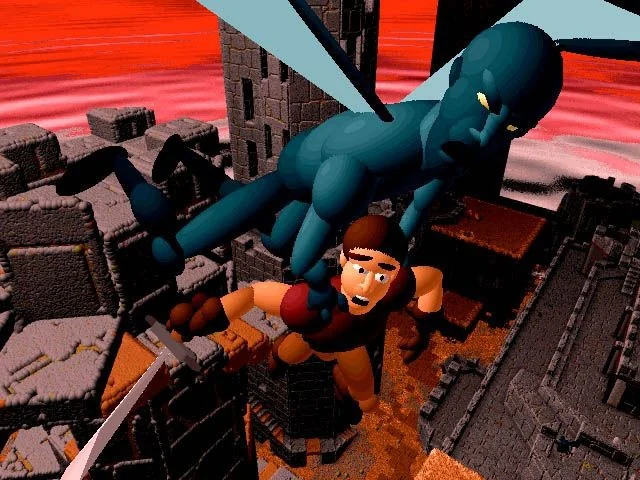
Released in 1997, Ecstatica II expanded upon the foundation laid by its predecessor, shifting the focus from intimate survival-horror to a massive, sprawling dark-fantasy action-adventure. Following the events of the first title, the protagonist—now revealed as a prince—returns toward his home kingdom alongside Ecstatica, hoping to wed her. However, upon their approach, they find the royal citadel captured and wrecked by a malevolent Archmage and his army of demons under a blood-red sky. Ecstatica is promptly captured once again to be used as a ritual sacrifice, while the prince is knocked unconscious, imprisoned, and left for dead inside the fortress dungeons.
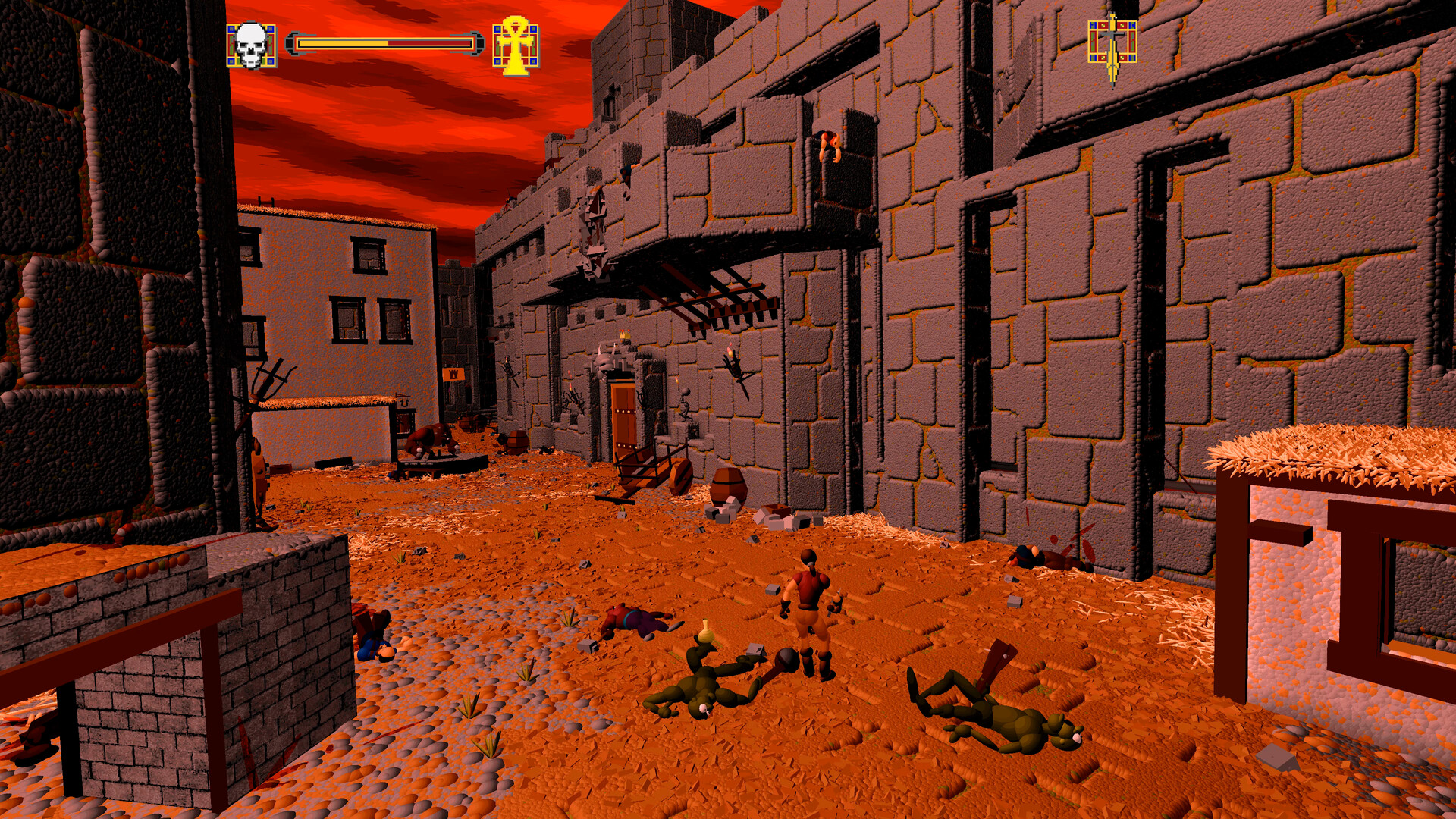
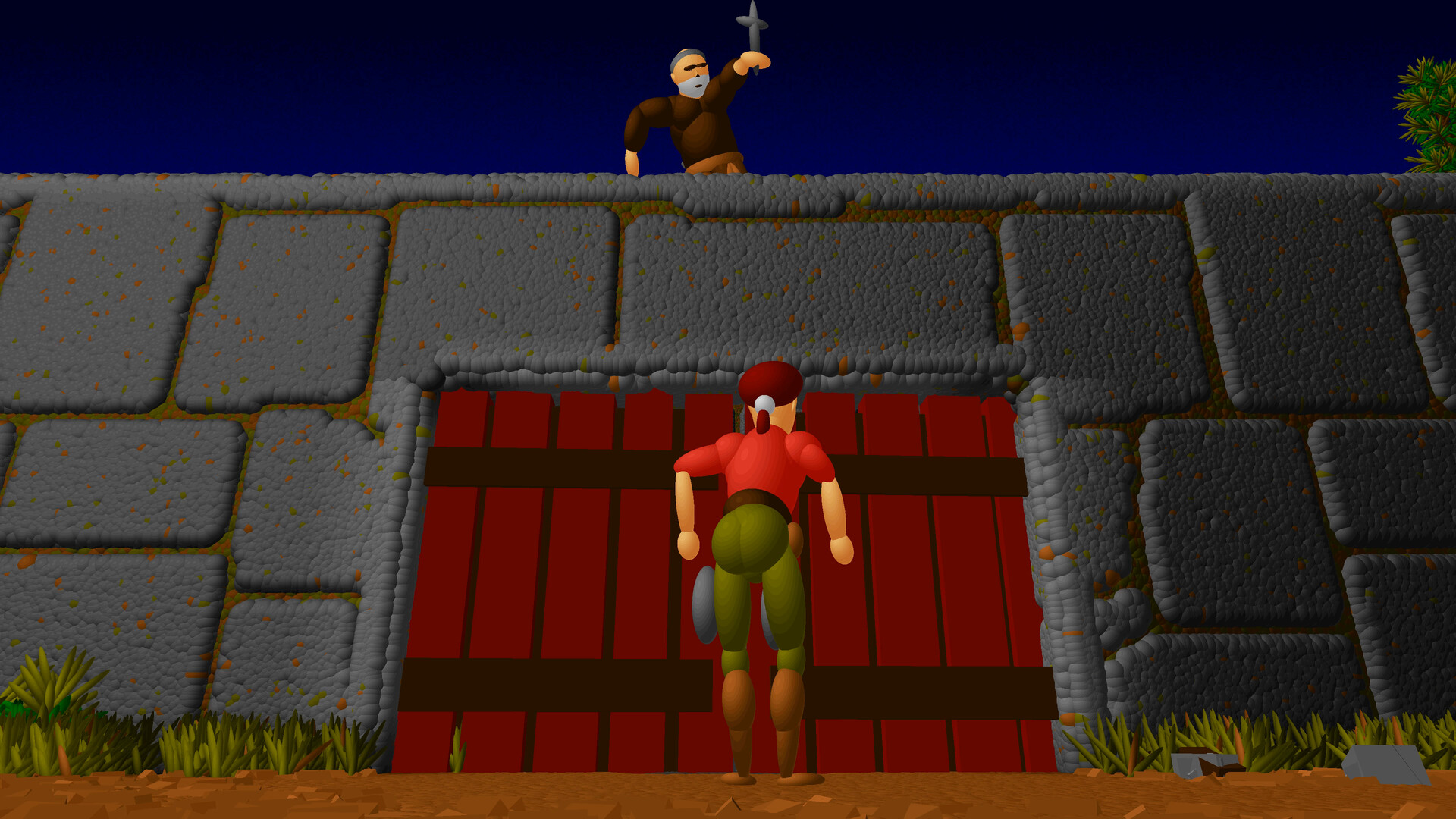
Building on the ellipsoid technology of the 1994 original, Ecstatica II introduced significant graphical and technical refinements. The game ran in higher SVGA resolution, producing much sharper visuals, smoother character models, and far more detailed lighting and environmental geometry. The game world was vastly expanded into an open, interconnected castle complex surrounded by courtyards, forests, underground crypts, and neighboring villages. Rather than the tight, claustrophobic streets of Tirich, Ecstatica II presented a non-linear exploration structure that gave players considerable freedom to explore the massive fortress, locate key items, and unlock sealed sectors in whichever order they chose.
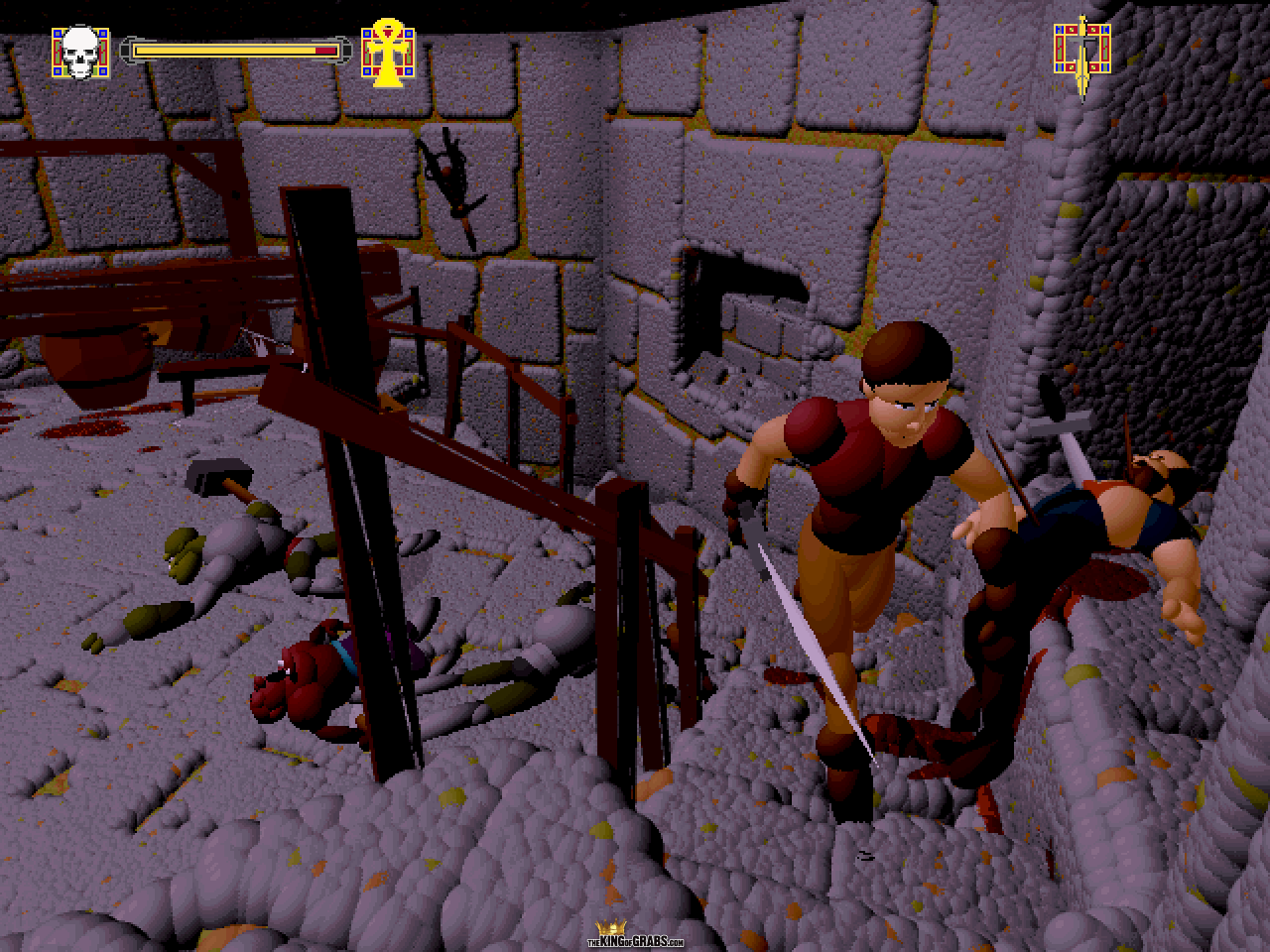
To match its grander scale, Ecstatica II substantially overhauled the combat and gameplay mechanics. While the original relied on basic melee swings and fleeing, the sequel featured a robust combat system with varied weapon types—including longswords, broadswords, and rapiers—each possessing distinct attack speeds and ranges. Furthermore, a dedicated magic system was introduced, allowing players to cast powerful offensive and defensive spells learned from scrolls or channeled through magical staves found around the world. Combat became far more frequent and aggressive; enemies spawned throughout the castle continuously, demanding swift reaction times and tactical weapon choices.
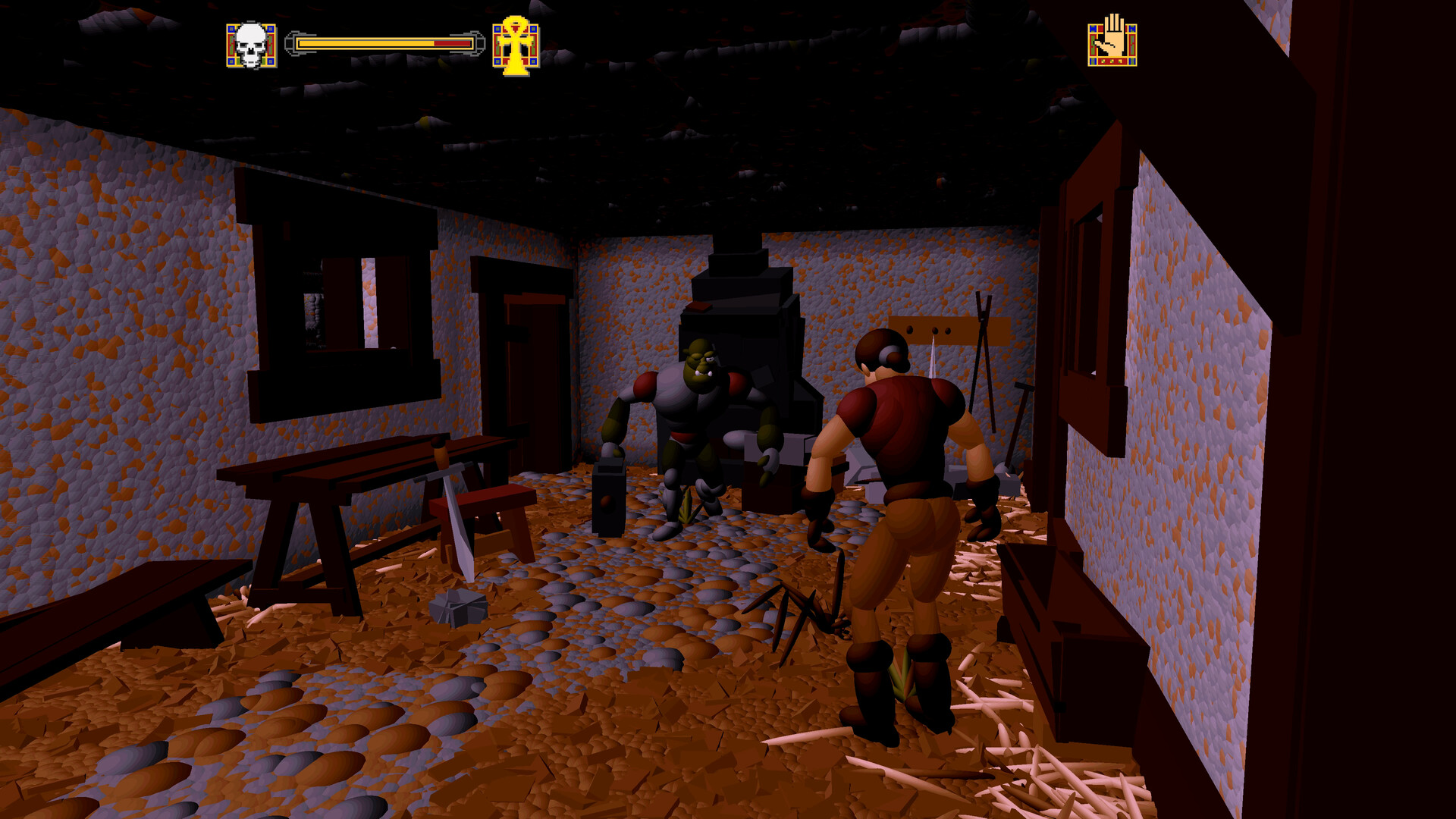
The core objective of Ecstatica II revolves around repairing the shattered Elder Sign, a mystical seal needed to banish the dark forces and weaken the Archmage. As the prince fights his way through hostile Amazon warriors, corrupted knights, flying demons, and powerful wizard bosses, he must collect seven distinct fragments of the Elder Sign scattered across the kingdom. This journey forces the player to solve environmental puzzles, survive deadly traps, and defeat guarding lieutenants. Upon reassembling the seal and confronting the Archmage in the ultimate climax, the prince stops the sacrifice, saves Ecstatica, and restores peace to the devastated realm.
In Conclusion: Taken together, Ecstatica and Ecstatica II represent one of the most inventive duologies in PC gaming history. While the first game remains a masterclass in atmospheric survival-horror, characterized by its quirky humor, quiet dread, and minimalistic design, the second stands as an ambitious, combat-heavy dark fantasy epic. Andrew Spencer Studios’ decision to utilize ellipsoids provided a visual signature that remains instantly recognizable and unlike almost anything else produced during the 1990s. Through their clever combination of artistic boldness, innovative tech, and engaging game mechanics, both Ecstatica titles earned an enduring cult status that continues to fascinate retro gaming enthusiasts and horror fans alike.

