
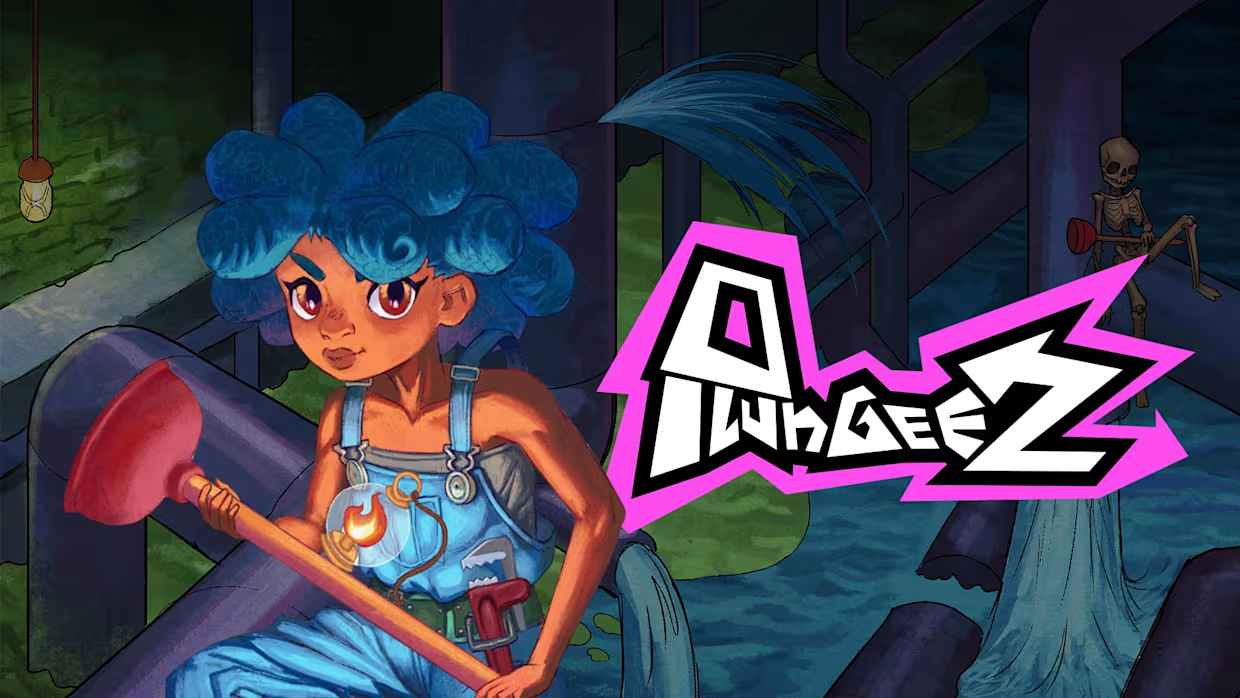
Developer: Team Zeroth
Publisher: QUByte Interactive
Genre: Metroidvania, puzzle,
Price: $9.99
Release Date: Aug 13, 2026
Where to buy: Steam, Switch, Xbox, PSN
Team Zeroth’s Plungeez replaces traditional combat with environmental logic, re-imagining the classic Metroidvania format as a puzzle adventure set beneath the streets of Salvador, Brazil. Plungeez introduces players to Bôni, a water-treatment worker who tumbles down a manhole into a subterranean labyrinth under historic Salvador, Bahia. Rather than relying on combat, boss fights, or health management, the game presents the environment itself as the sole obstacle. The setting is enriched with warm, distinctly Brazilian dialogue and humor, grounding the experience in local flavor rather than generic indie tropes. By eliminating death penalties and twitch-reflex hazards, the narrative keeps stakes low and curiosity high, driving exploration through subterranean sewer networks.
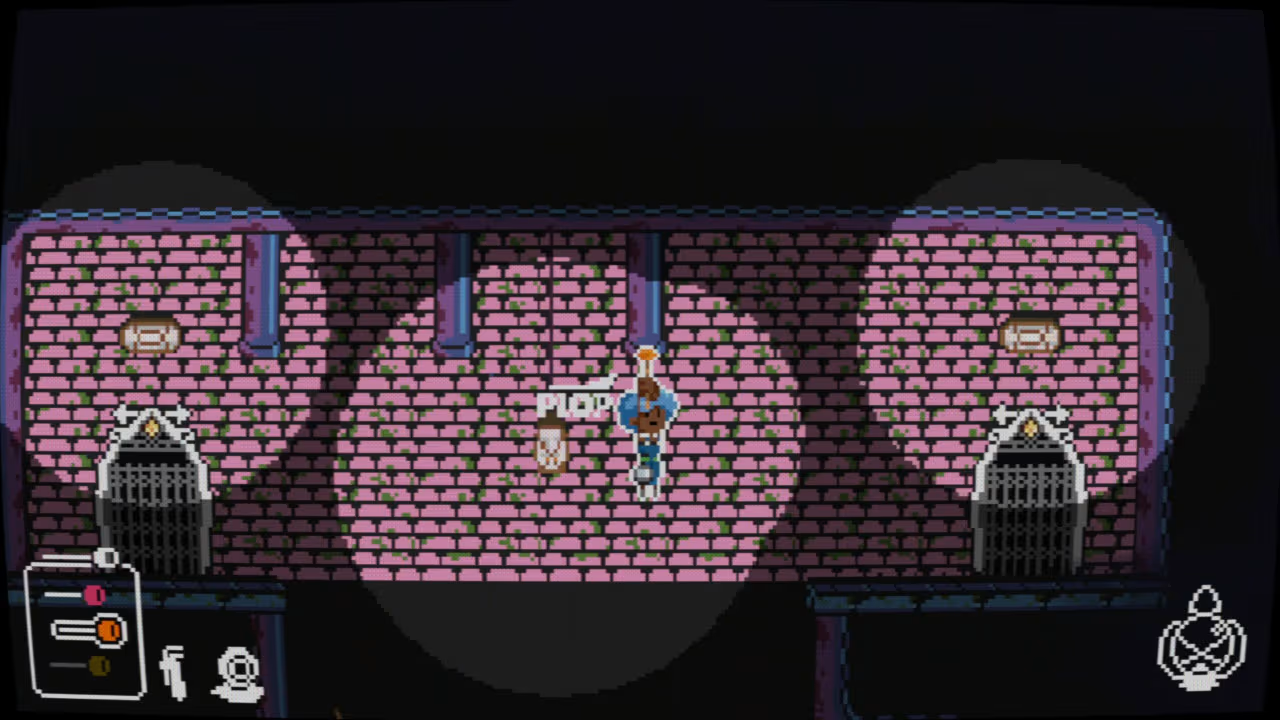
Progression centers on building Bôni’s utility arsenal—utilizing plungers, wrenches, torches, boilers, and diving suits to interact with the world. Plunger upgrades act as multi-jumps and wall-anchors, allowing players to navigate vertical shafts and reach previously inaccessible areas. Environmental puzzles demand active manipulation: players must route electrical power, turn levers to shift water levels, and repair broken pipe networks. Additionally, carrying lit lamps to central furnaces introduces dynamic spatial challenges, requiring careful movement past ambient water leaks.
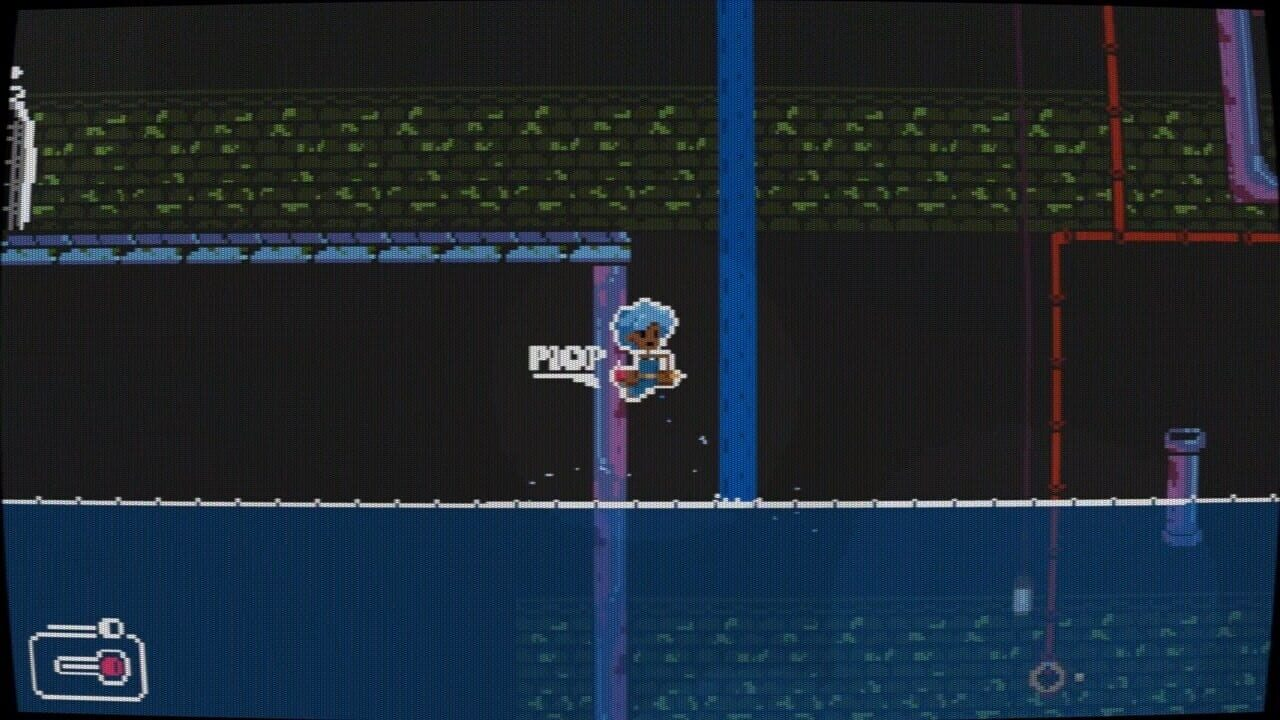
The world is constructed as a series of room-based environmental riddles linked together by open sewer channels. Ability gating drives exploration across distinct subterranean zones as new tools reveal previously blocked passages. Without a detailed, real-time map screen, navigation heavily tests a player’s spatial memory. While this minimap-free structure encourages organic discovery, missing an essential item or path can occasionally lead to repetitive backtracking through complex networks.
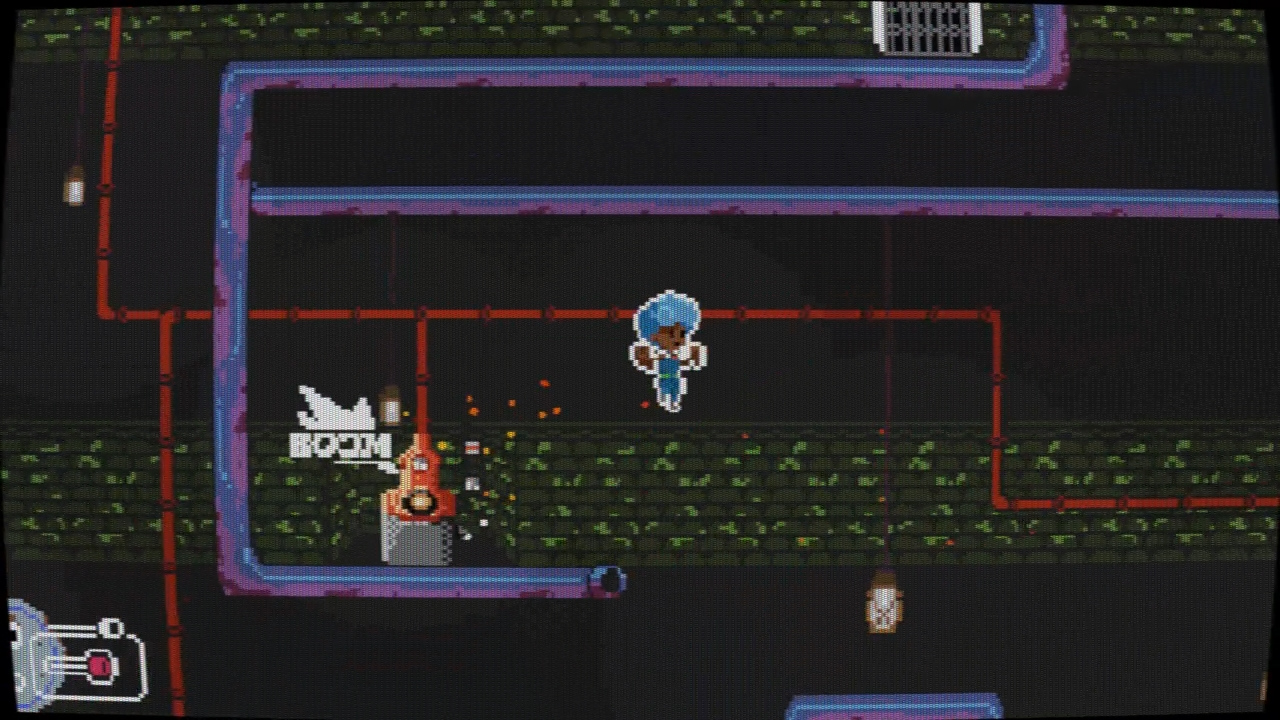
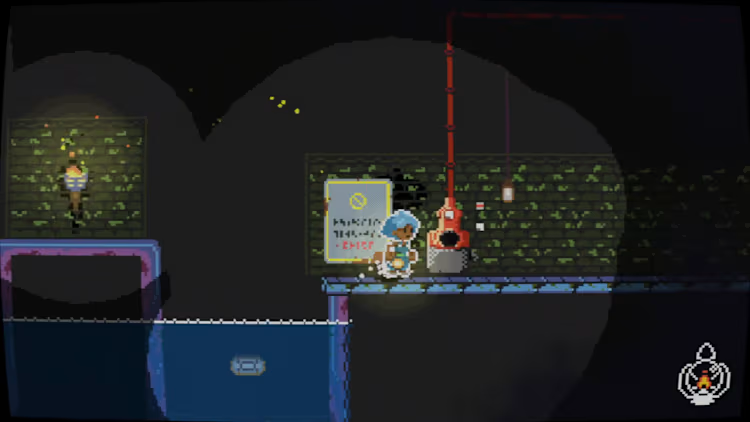
The presentation relies on crisp 16-bit pixel art that captures the atmospheric charm of Salvador’s underground systems. Important puzzle elements—such as pipe joints, power switches, and furnaces—are clearly telegraphed visually to keep problem-solving intuitive. Sound design remains low-key, pairing echoing sewer mechanics and subtle ambient music to maintain a calm atmosphere. The aesthetic captures a subterranean, damp environment without resorting to overly grim tones.
In Conclusion: Plungeez offers a tight, budget-priced experience that succeeds through clever, non-violent puzzle design. While the lack of a detailed map layout may test the patience of navigation-heavy gamers, its focus on logic over aggression gives it a clear identity. The game stands out as a thoughtful, combat-free puzzle platformer recommended for players who enjoy cerebral exploration and spatial problem-solving.