
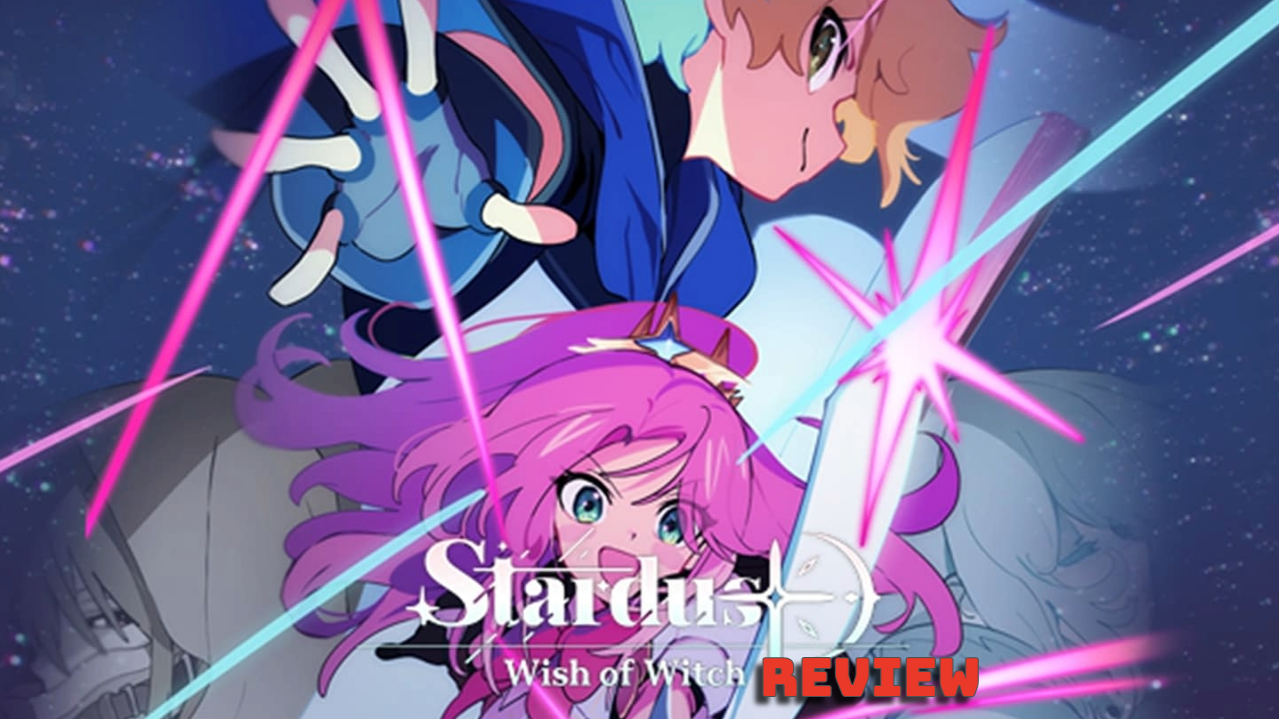
Developer: Kniv Studio Co., Ltd.
Publisher: Kniv Studio Co., Ltd.
Genre: Tactical RPG
Price: $24.99
Release Date: May 28, 2026
Where to buy: STEAM
The modern landscape of indie video games frequently looks to the past for inspiration, but true success lies in an explicit synthesis of nostalgic style and modern mechanics. Developed by Kniv Studio, STARDUST: Wish of Witch stands as a definitive testament to this design philosophy. Nominally a tactical strategy role-playing game (SRPG), the title chronicles the sweeping journey of the spirited warrior, Star, and her childhood friend, the academic mage, Yu, as they unravel the cosmic secrets of a wish-granting celestial body. Beyond its basic structural appeal, STARDUST: Wish of Witch effectively utilizes a complementary mixture of evocative pixel art, an integrated card-based combat system, and a core coming-of-age narrative to explore how mortal agency interacts with the rigidity of cosmic destiny.
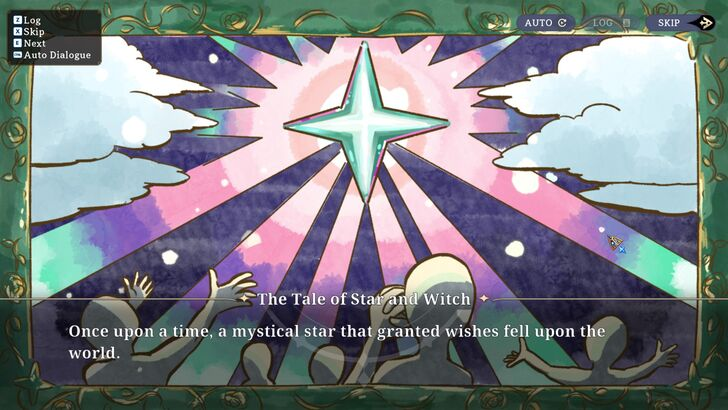
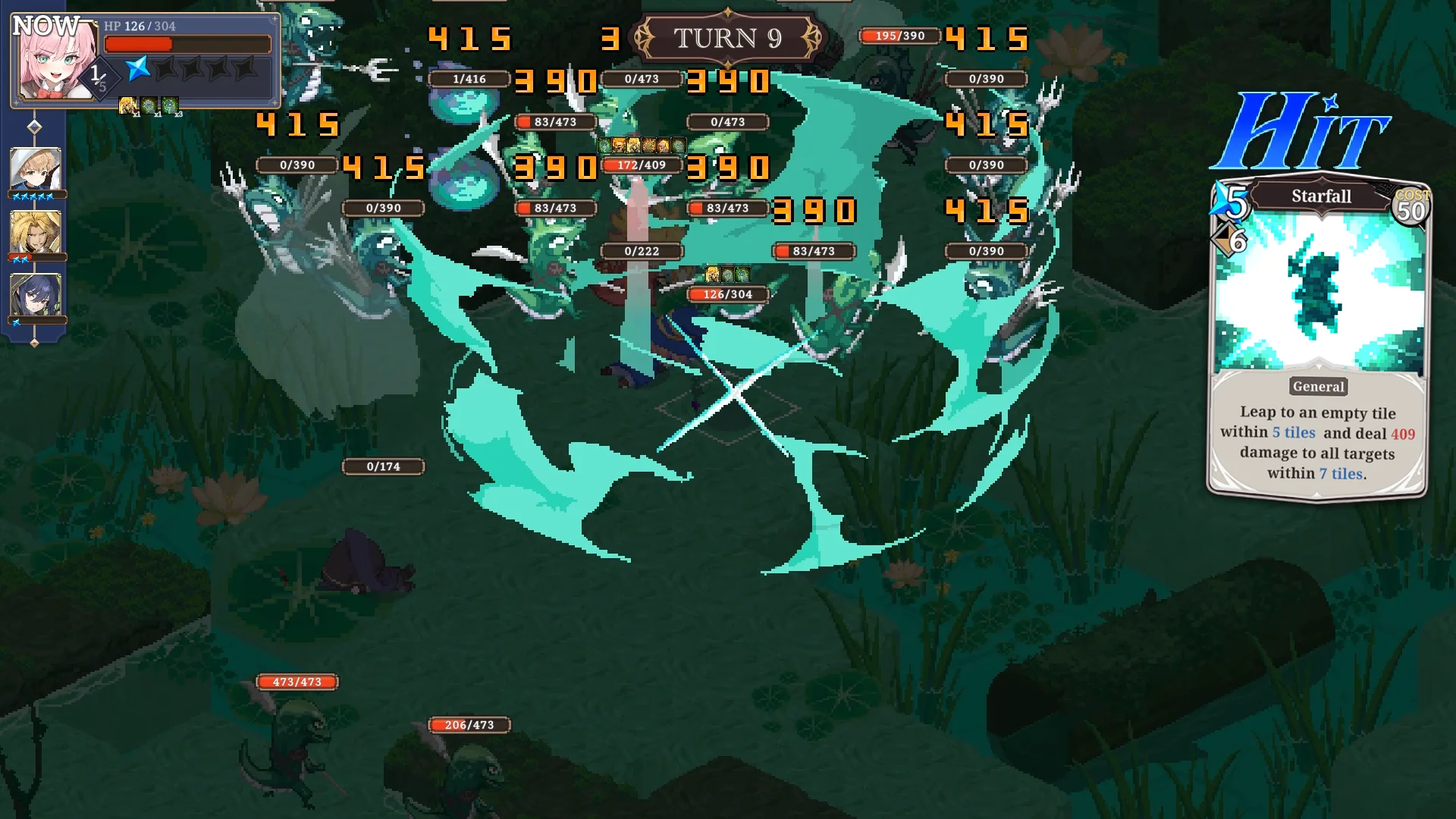
Central to the game’s immersive qualities is its meticulously crafted visual and auditory identity, which breathes life into its grand fantasy world. Rather than relying on static, old-school backgrounds, Kniv Studio implements dynamic full-sprite animations paired with sweeping cinematic direction. This “living pixel world” ensures that every localized battlefield transitions seamlessly into dramatic, emotionally charged narrative sequences. When characters execute their ultimate skills, the screen explodes into vibrant 2D animated set pieces that elevate the dramatic stakes of the narrative. This gorgeous presentation—coupled with professional voice acting—anchors the player in the emotional arcs of Star and Yu, making the stakes of their micro-decisions feel monumentally important.
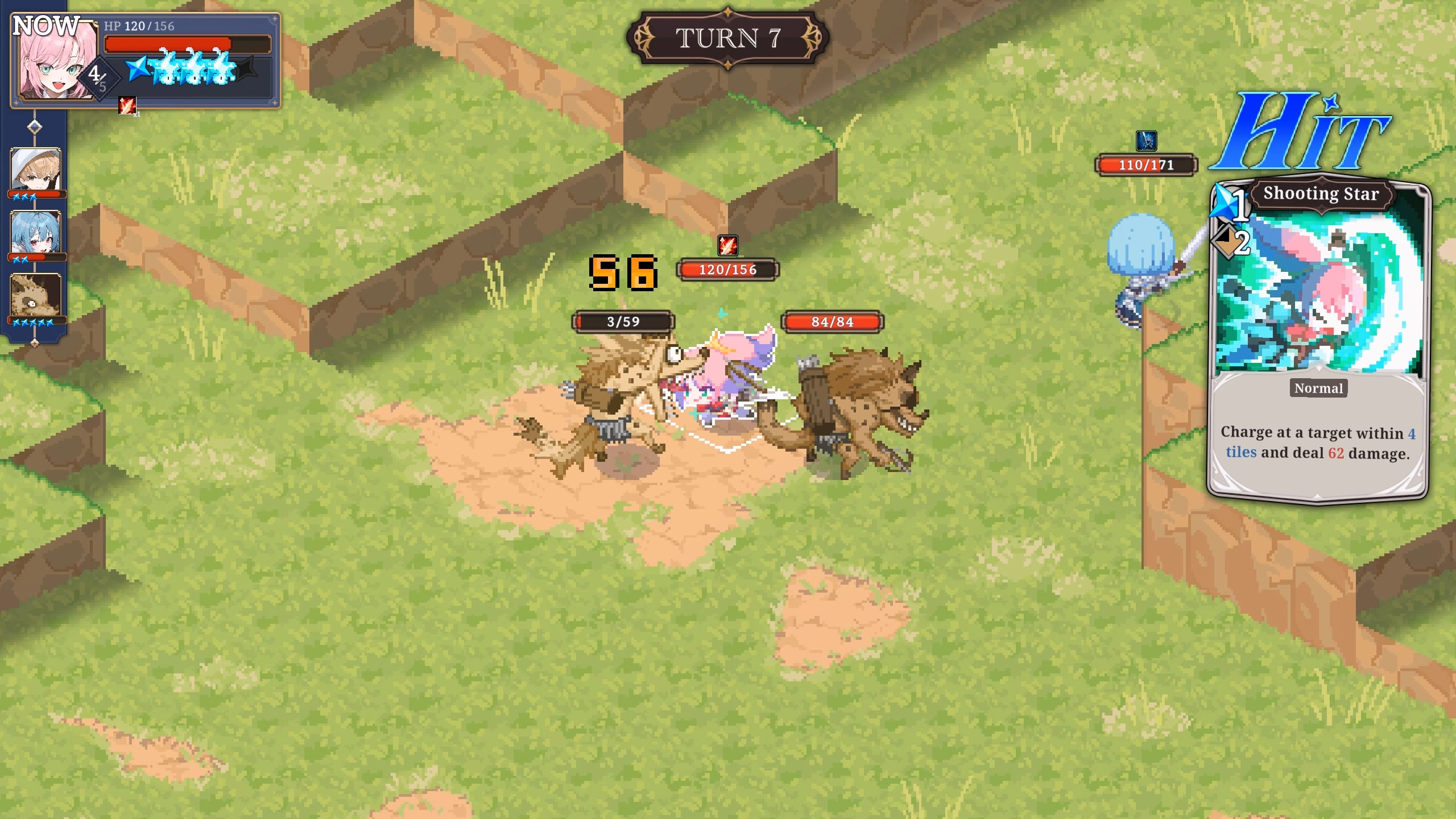
While the aesthetic framework establishes the atmosphere, the game’s core strategic loop uniquely integrates traditional grid-based tactics with an unpredictable card battling mechanic. Players are forced to balance the rigid spatial geometry of traditional SRPGs—such as classic flanking positioning and character-specific combat roles—with a hand of randomized skill cards. This specific mechanical collision creates an intentional philosophical parallel within the gameplay; the grid represents the predictable environment, while the cards represent the volatile, shifting nature of fate. By mastering complex counterattacks and chaining powerful character combos, players must constantly adapt to the random hand they are dealt to achieve victory. Consequently, the combat loop rewards fluid problem-solving, making tactical triumphs feel like a true mastery over sudden chaotic variables.
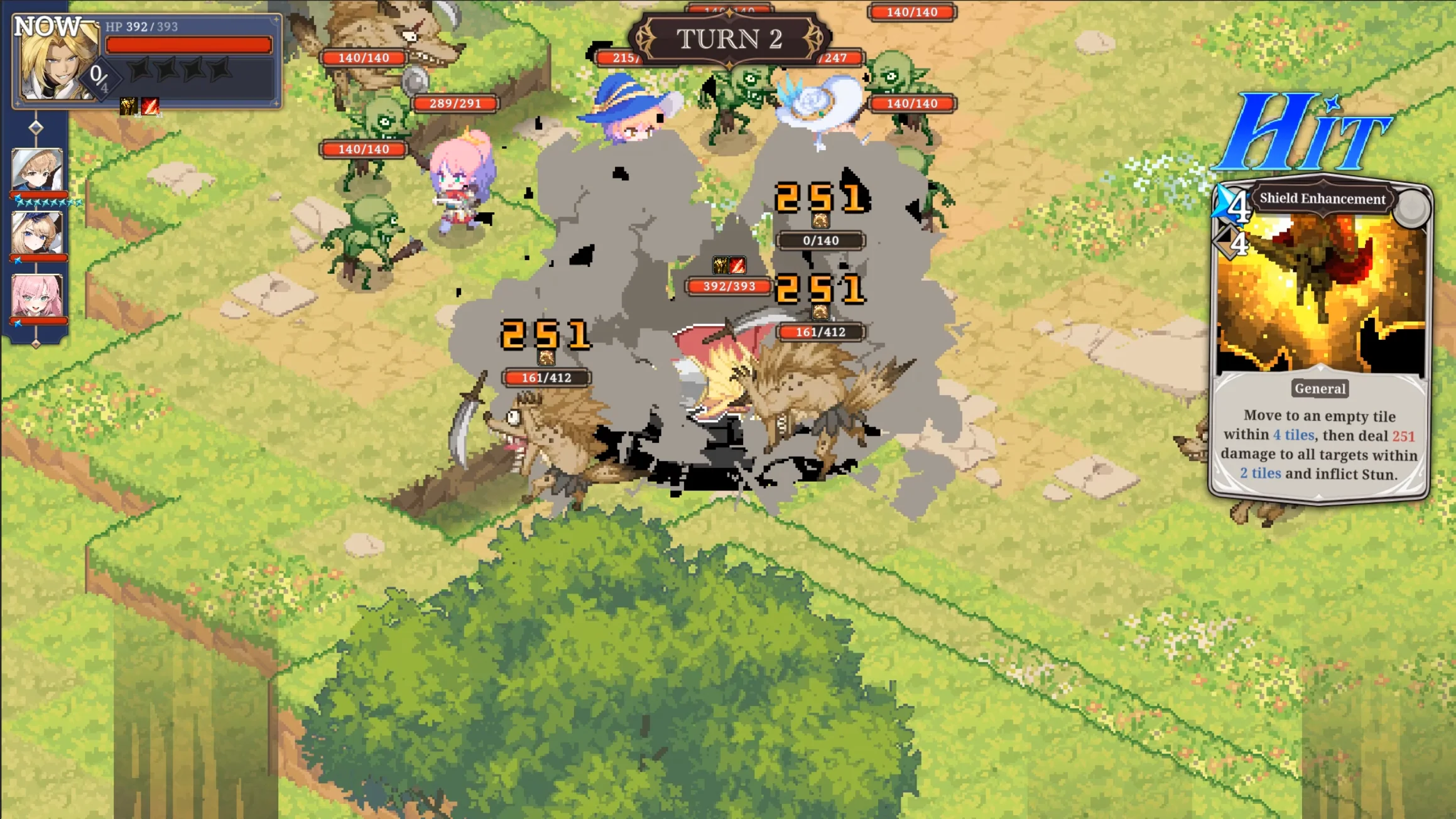
Furthermore, the ludonarrative harmony—the alignment between a game’s story and its active mechanics—is deeply emphasized through the thematic concept of a wish-granting star. In the narrative, the journey toward the origin of the stars represents a classic coming-of-age quest where young protagonists seek to claim ownership over their futures. This exact theme is mirrored mechanically through the party-building system, where players recruit colorful companions and decide how to customize their unique combat card decks. As Star and Yu grow more powerful, their available cards and ultimate abilities shift from simple maneuvers into universe-shaking techniques. The progression curve directly visualizes their emotional growth and evolving relationship, proving that their mortal bonds are powerful enough to rewrite the cosmic destiny dictated by the stars.
In conclusion, STARDUST: Wish of Witch achieves excellent design by ensuring its mechanics, visual presentation, and narrative pillars actively reinforce one another. Kniv Studio does not merely offer a standard mechanical playground; instead, they construct an intimate character study framed by breathtaking 2D animation and complex card tactics. The game succeeds because it understands that the core appeal of the classic SRPG genre is the feeling of leading a tight-knit band of heroes against impossible, preordained odds. By allowing players to navigate the chaotic intersection of strategy and fortune, the game ultimately delivers a satisfying message: while destiny might deal the cards, it is the choices and relationships of individuals that ultimately decide how the battle is won.