
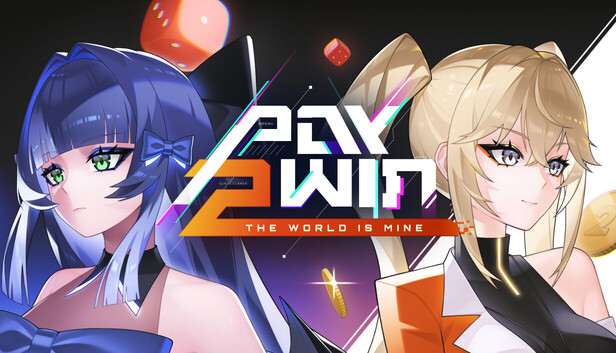
Buy it here: Steam
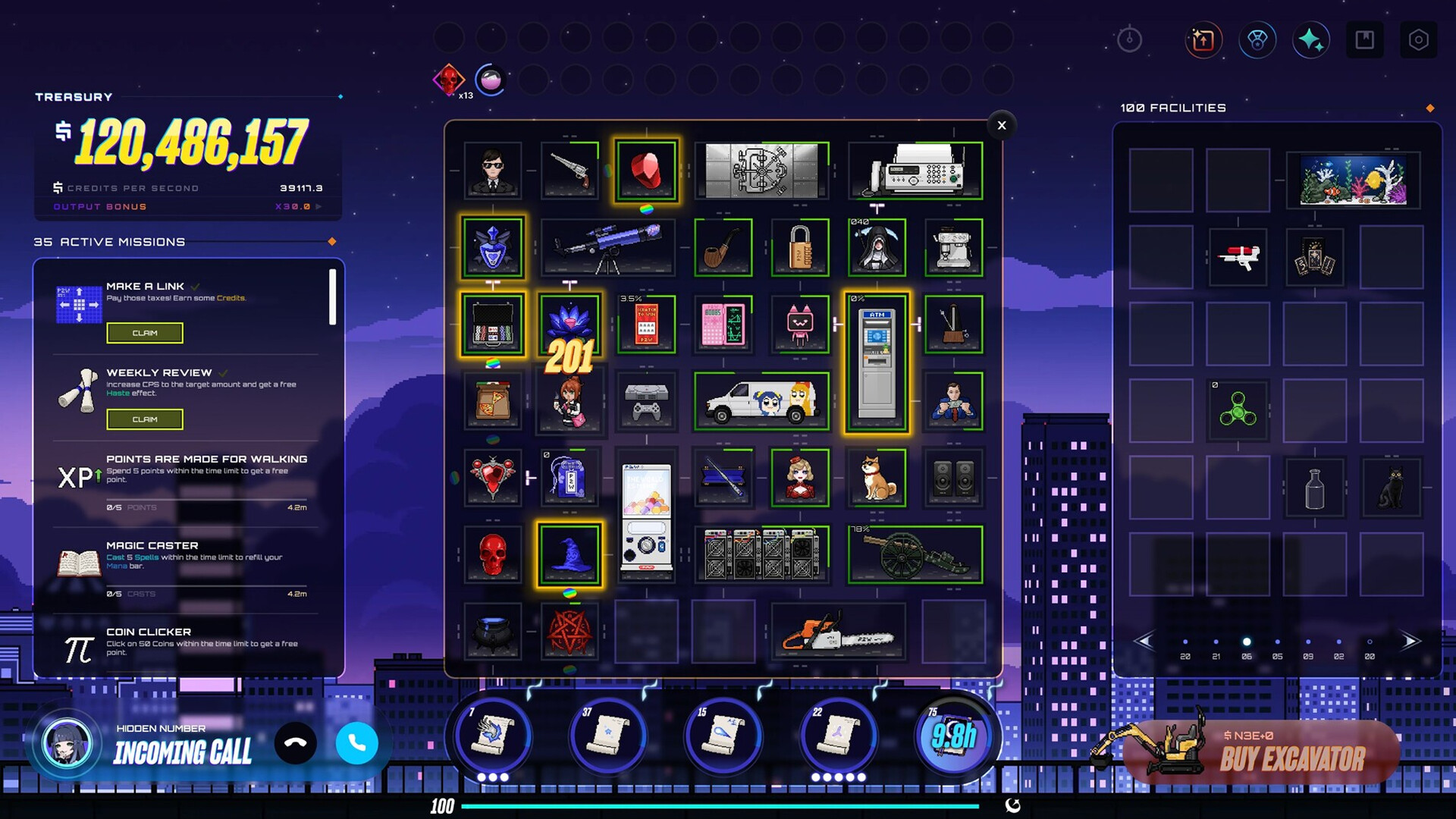
The landscape of modern gaming is heavily defined by microtransactions, a controversial mechanic where players spend real-world money to gain an advantage. The indie strategy game Pay 2 Win: The World is Mine addresses this industry trend head-on by transforming a widely criticized monetization model into a central, satirical gameplay mechanic. Instead of hiding its corporate greed, the game leans entirely into the premise, tasking players with building a corporate empire where money triumphs over skill. Through its clever mechanics, distinct pop-culture influences, and sharp underlying message, the game serves as both an addictive simulator and a biting critique of contemporary consumer capitalism.
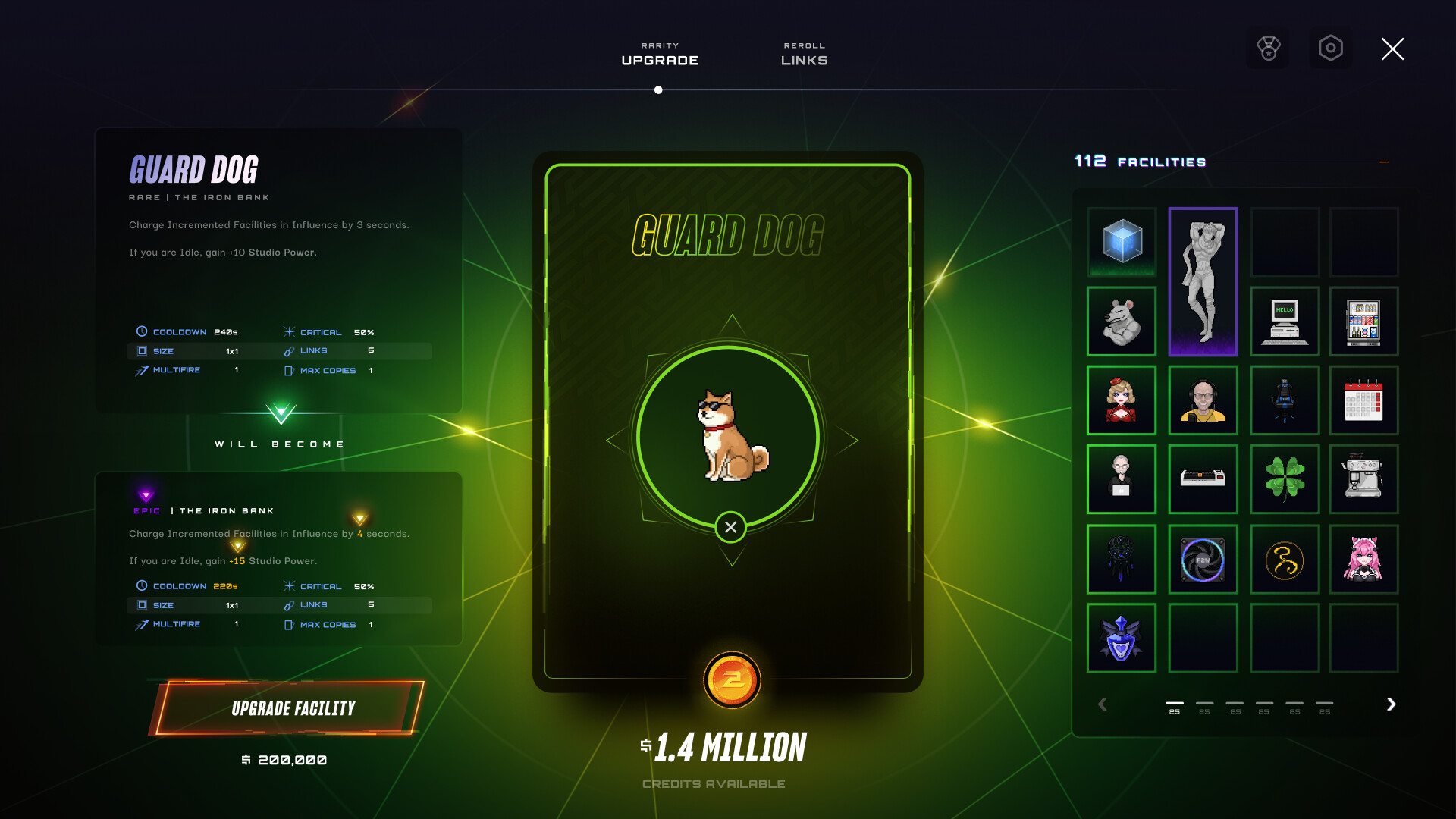
At its core, Pay 2 Win: The World is Mine subverts traditional strategy gaming by shifting the win condition from tactical prowess to sheer financial dominance. In a typical strategy game, players must manage limited resources and outsmart an artificial intelligence or opponent through careful positioning and timing. This game, however, introduces a high skill ceiling built around complex progression systems like the “Forge” and the “Planetarium.” The core gameplay loop intentionally intimidates players at first with an array of overlapping rules, nodes, and effects. Yet, as players adapt to the progression model, they learn to manipulate the game’s economy, effectively turning their corporate entity into an unstoppable, money-making machine where every victory can quite literally be bought.
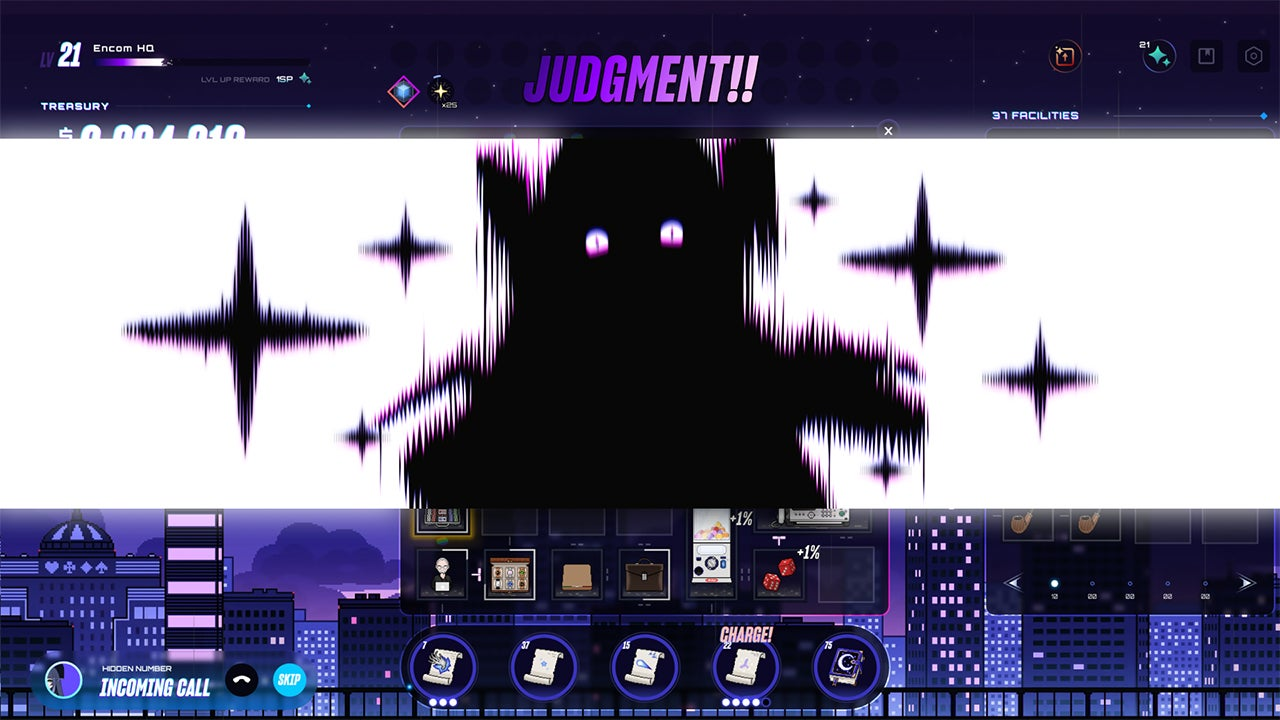
Beyond its mechanical depth, the game uses a vibrant presentation and rich pop-culture references to make its cynical themes highly entertaining. Drawing clear inspiration from media centered around hyper-capitalism, high-stakes gambling, and corporate satire—such as the anime Kakegurui and classic gaming comedies like Code Monkeys—the game creates a distinct, stylized universe. These influences are supported by an exceptional, high-energy soundtrack that perfectly matches the frantic pacing of the gameplay. By wrapping the stressful concepts of corporate exploitation and financial manipulation in a polished, media-savvy package, the developers ensure that building a dystopian monopoly feels intensely rewarding and continuously amusing.

The game’s narrative structure further emphasizes its satirical themes through unexpected player agency and a dynamic progression system. As players advance through the story content and experiment with the “Ascension” mechanics, they encounter a surprisingly intricate decision tree. Without spoiling the plot, these narrative choices force players to decide exactly how ruthless they are willing to be in their pursuit of global dominance. This design choice elevates the game from a simple simulator to an interactive thought experiment, asking players to look in the mirror and confront the exact kind of predatory corporate behavior that modern gamers claim to despise.
Ultimately, Pay 2 Win: The World is Mine succeeds because it forces players to find joy in the very systems that often ruin modern entertainment. By taking the toxic concept of “pay-to-win” mechanics and inflating them to a global, systemic scale, the game provides a deeply engaging strategy experience that doubles as brilliant corporate satire. It proves that mechanical complexity and sharp social commentary do not have to be mutually exclusive. In a world where video games and real life are increasingly dominated by microtransactions, Pay 2 Win: The World is Mine offers a playground where players can finally own the system, rather than being owned by it.