
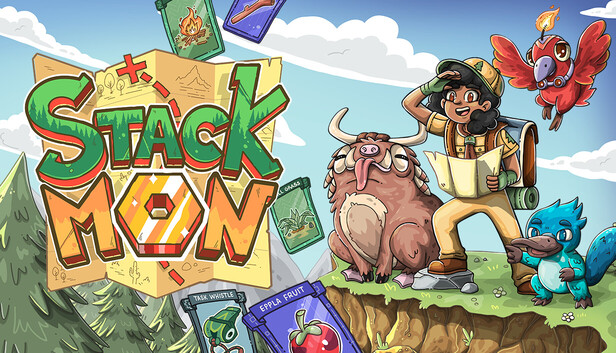
The independent gaming scene continuously breathes fresh life into established genres by mashing up mechanical concepts in unexpected ways. A prime example of this trend is Riftpoint Entertainment’s Stackmon, a creature-collecting adventure game that successfully blends monster taming with strategic card-stacking mechanics. Released in June 2026, the Stackmon Demo offers players a preliminary glimpse into its vibrant, scout-themed world plagued by a creeping, dark corruption known as the Soot. Early impressions of this demo indicate a remarkably polished and highly engaging gameplay loop. By analyzing its core card-stacking combat system, camp-building exploration elements, and distinct visual identity, one can see how Stackmon is shaping up to be a standout title in the indie strategy space.
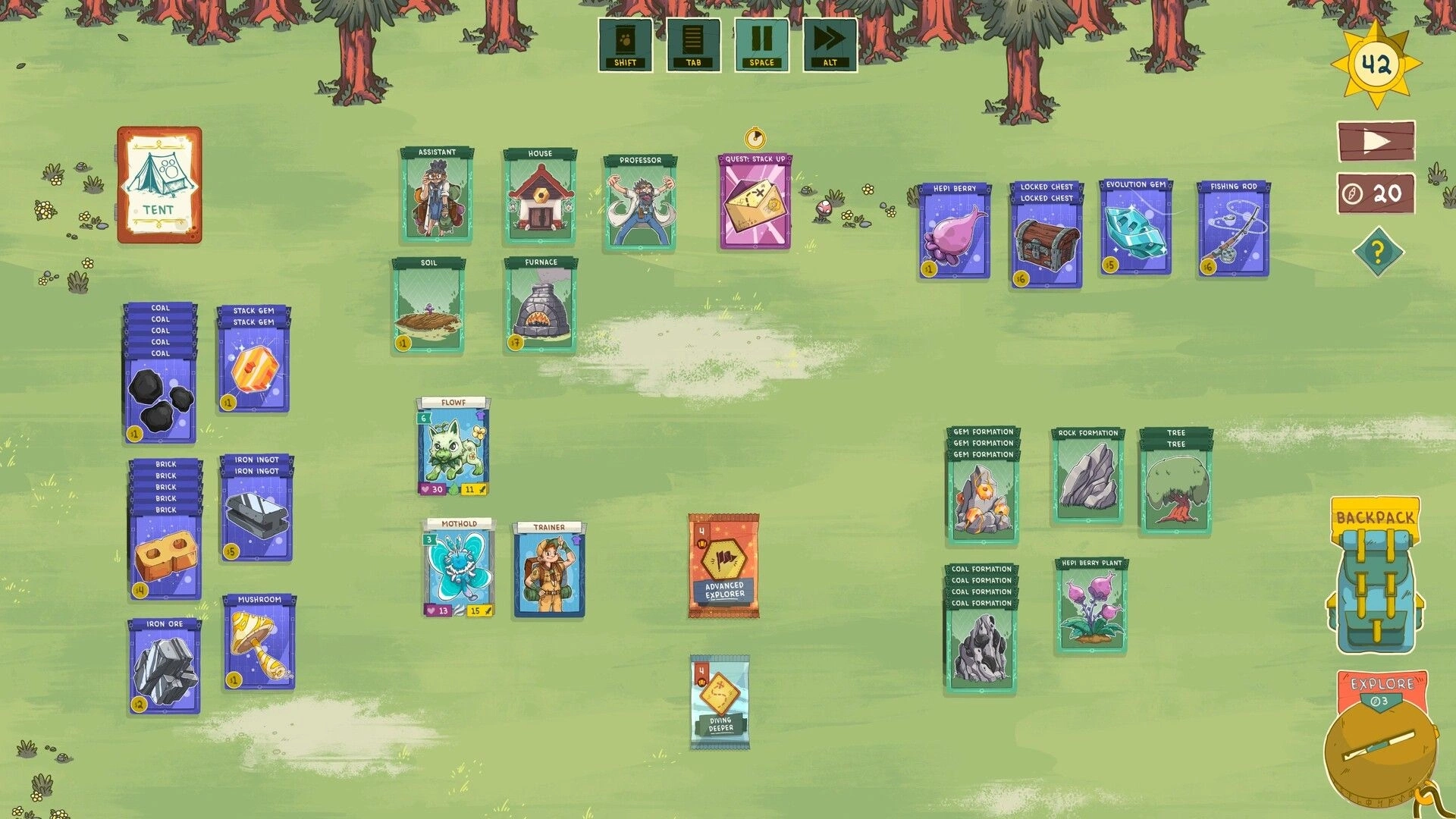
At the heart of the Stackmon Demo is its inventive and tactile combat system, which replaces standard turn-based monster menus with deep card manipulation. Players capture various creatures—called Stackmon—and physically pile them together with resource and equipment cards to activate special skills, unlock rare status modifiers, and unleash powerful synergy effects. This layering mechanic requires a high level of forward-thinking, as the order in which you stack your hand dictates your tactical advantage during skirmishes against rival Scout Leaders. It brilliantly transforms the traditional monster-battling formula into a dynamic puzzle. This immediate sense of mechanical depth leaves a lasting first impression, ensuring that battles feel distinct, rewarding, and intellectually stimulating.
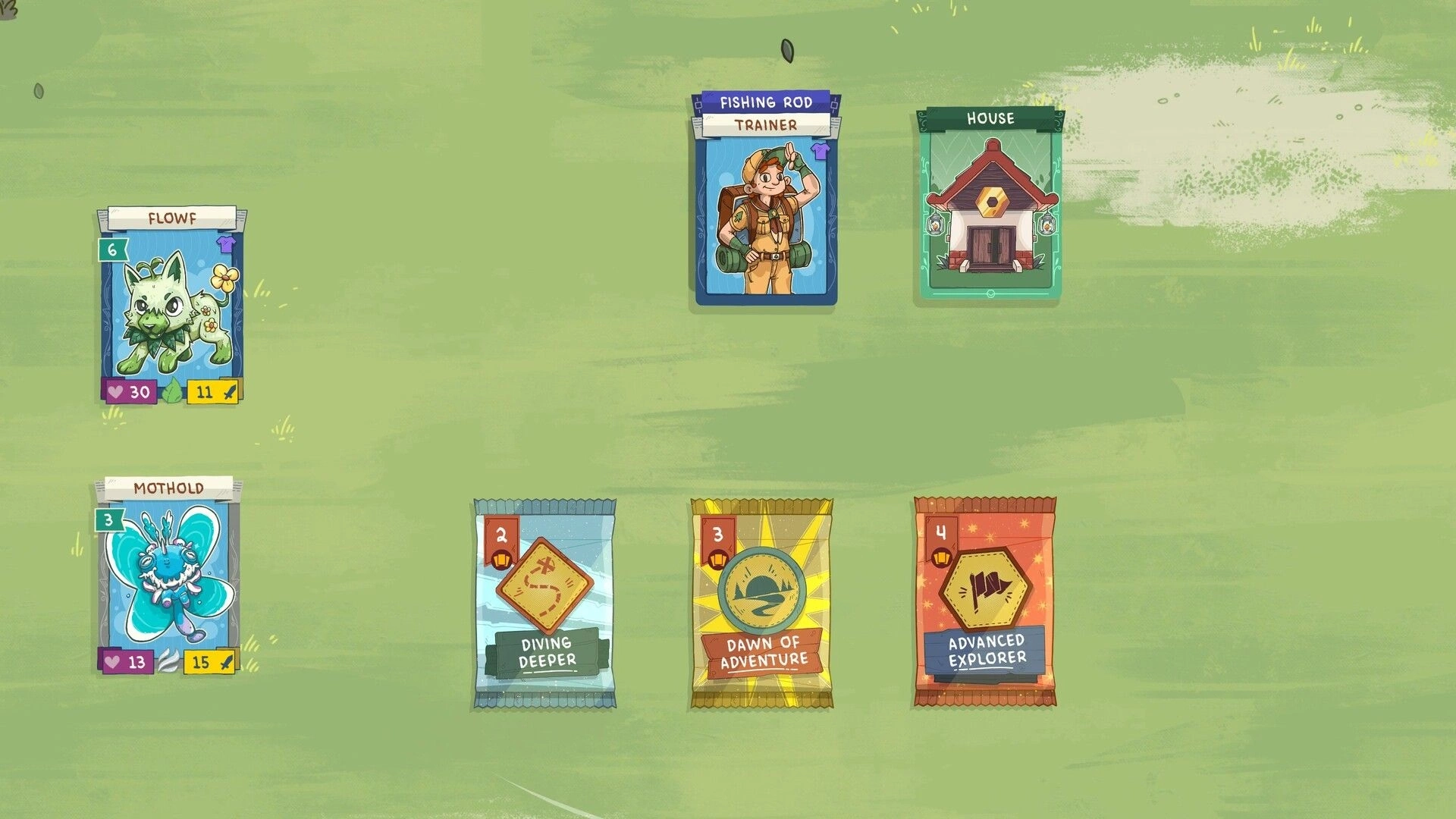
Beyond the battlefield, the demo introduces a robust exploration framework driven by world-building and player progression. Players navigate a colorful environment while actively fighting to halt the spread of the Soot, an ominous environmental corruption that provides a strong narrative hook. To aid in this journey, the demo showcases the beginnings of a camp-building system where players gather resources to establish and upgrade their home base. This creates a satisfying gameplay loop where successful card battles yield materials that directly improve your camp’s utility and capabilities. The seamless intersection between exploring the map, managing your campsite, and stopping the corruption prevents the demo from feeling like a simple sequence of disjointed card matches.
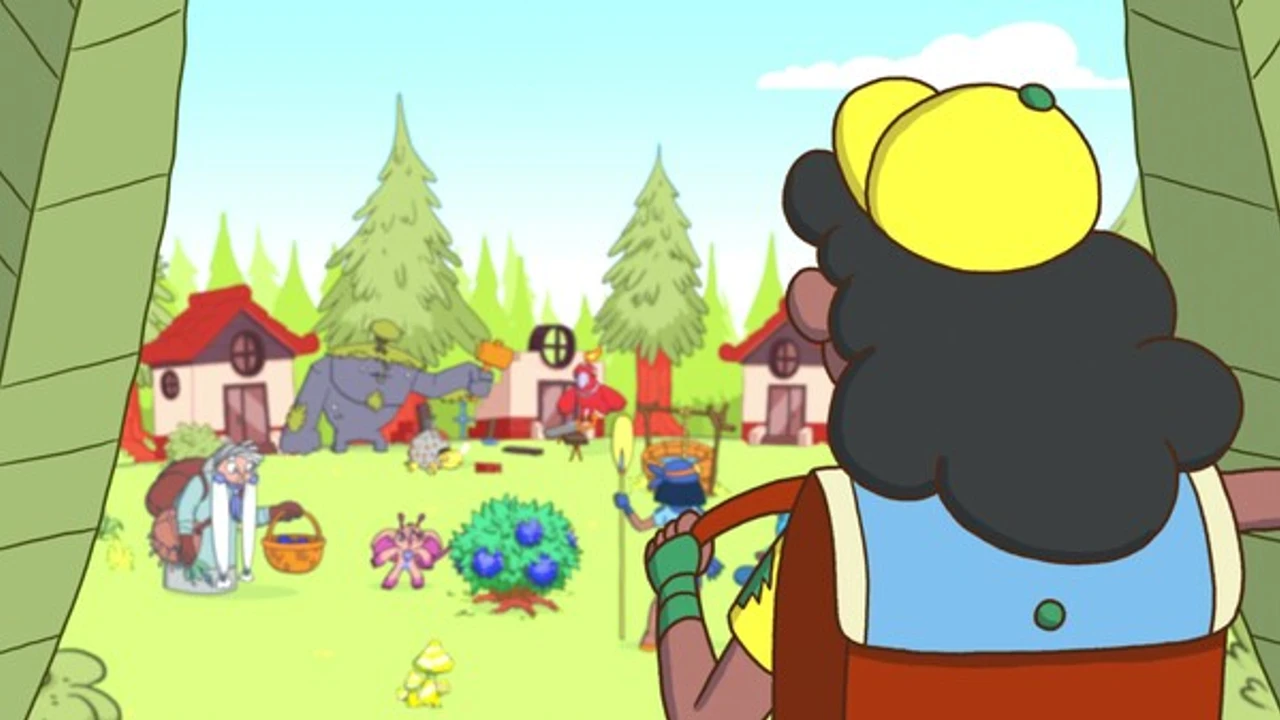
Visually and tonally, the Stackmon Demo carves out a charming identity that masterfully contrasts cozy aesthetics with dark undertones. The game wraps its complex strategy in a cozy, wilderness-scout theme, giving the UI, card layouts, and character designs a nostalgic, adventurous feel. However, this comforting atmosphere is sharply balanced by the creeping presence of the Soot, creating a compelling mystery that keeps the player intrigued. The creature designs are a massive highlight, managing to look both distinct and expressive even when compressed onto a card-based template. This artistic direction gives the world an immediate sense of personality, proving that the game has the narrative and visual charm to back up its intricate mechanical systems.
Ultimately, the Stackmon Demo delivers an incredibly promising and mechanically sound introduction to what could be one of the year’s most refreshing indie strategy games. By masterfully combining creature collection with the physical satisfaction of stacking cards, Riftpoint Entertainment has engineered a gameplay loop that feels genuinely unique. The combination of puzzle-like combat, camp progression, and a balanced cozy-yet-mysterious atmosphere leaves a stellar first impression that bodes well for the final release. For fans of deck builders and monster-taming adventures alike, this demo stands as a testament to creative genre-blending. It confidently lays down a solid foundation that leaves players eager to see how the full game expands on these ideas.