

Developer: Replicant D6
Publisher: Replicant D6
Genre: FPS
Price: $21.64
Release Date: Aug 11, 2026
Where to buy: Steam
We were given a code on behalf of covering the game for a written article! A humble thank you to Replicant D6 for allowing us access to cover the game!- Danny
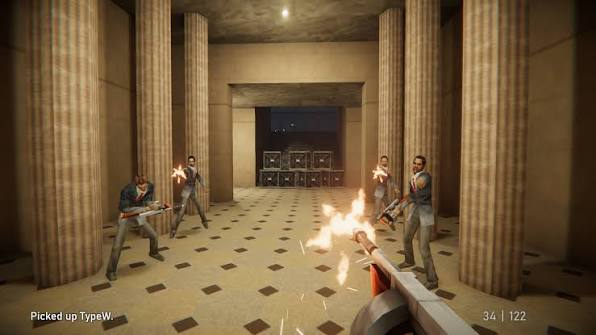
In the late 1990s, the Nintendo 64 redefined the first-person shooter genre with iconic titles like Rareware’s GoldenEye 007 and Perfect Dark. These games established a distinct gameplay template characterized by objective-based missions, retro low-poly aesthetics, dynamic stealth-action, and legendary local multiplayer. Developed by solo indie creator Replicant D6, Agent 64: Spies Never Die serves as a dedicated love letter to this bygone era of gaming. Rather than modernizing the genre into a contemporary blockbuster, the game deliberately embraces retro mechanics, angular visuals, and arcade-style progression. Agent 64: Spies Never Die successfully recaptures the nostalgic charm of 90s console shooters through its authentic visual style, classic gameplay mechanics, multi-layered mission structure, and robust replayability, proving that the foundation of vintage spy thrillers remains timeless.
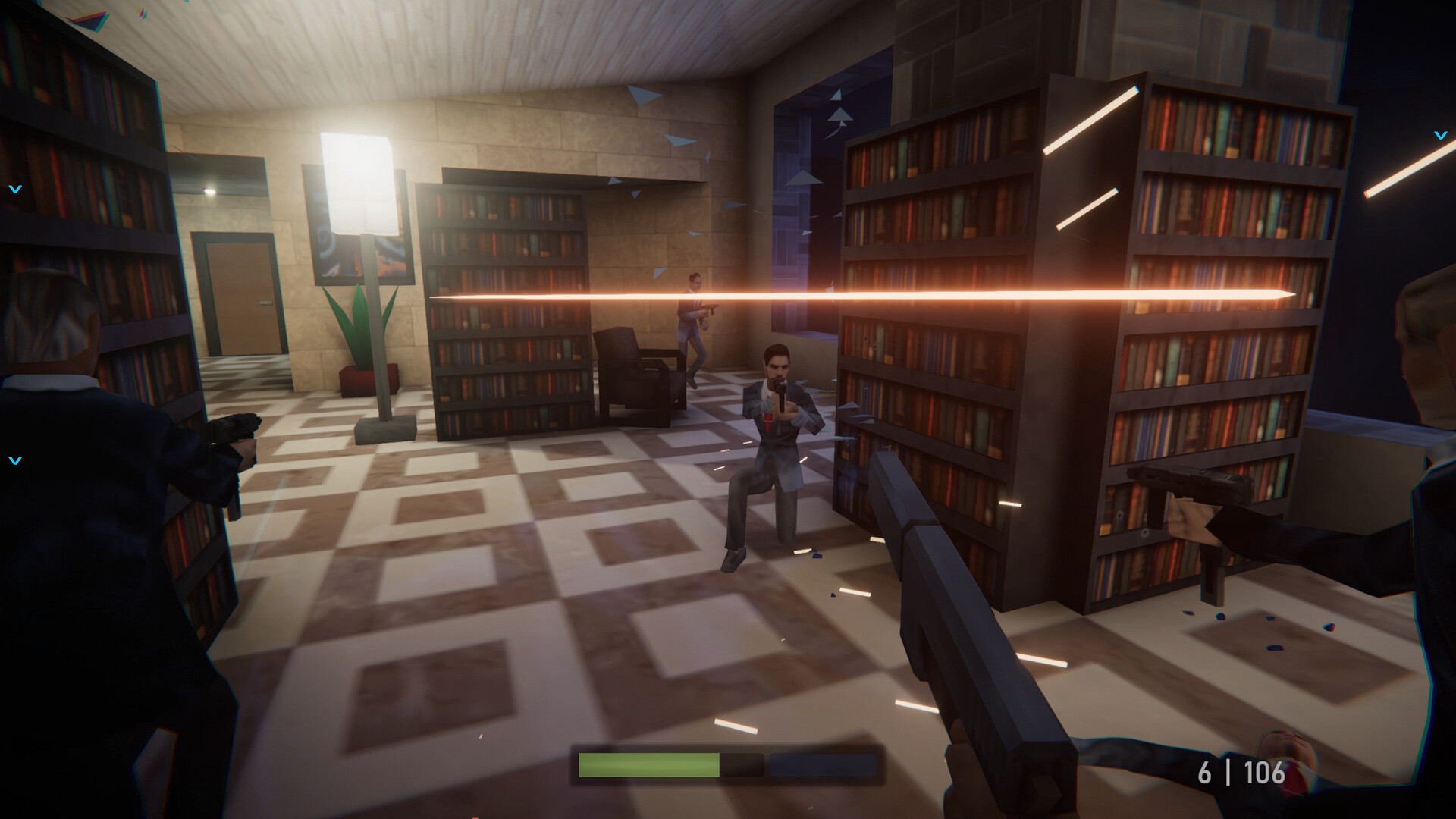
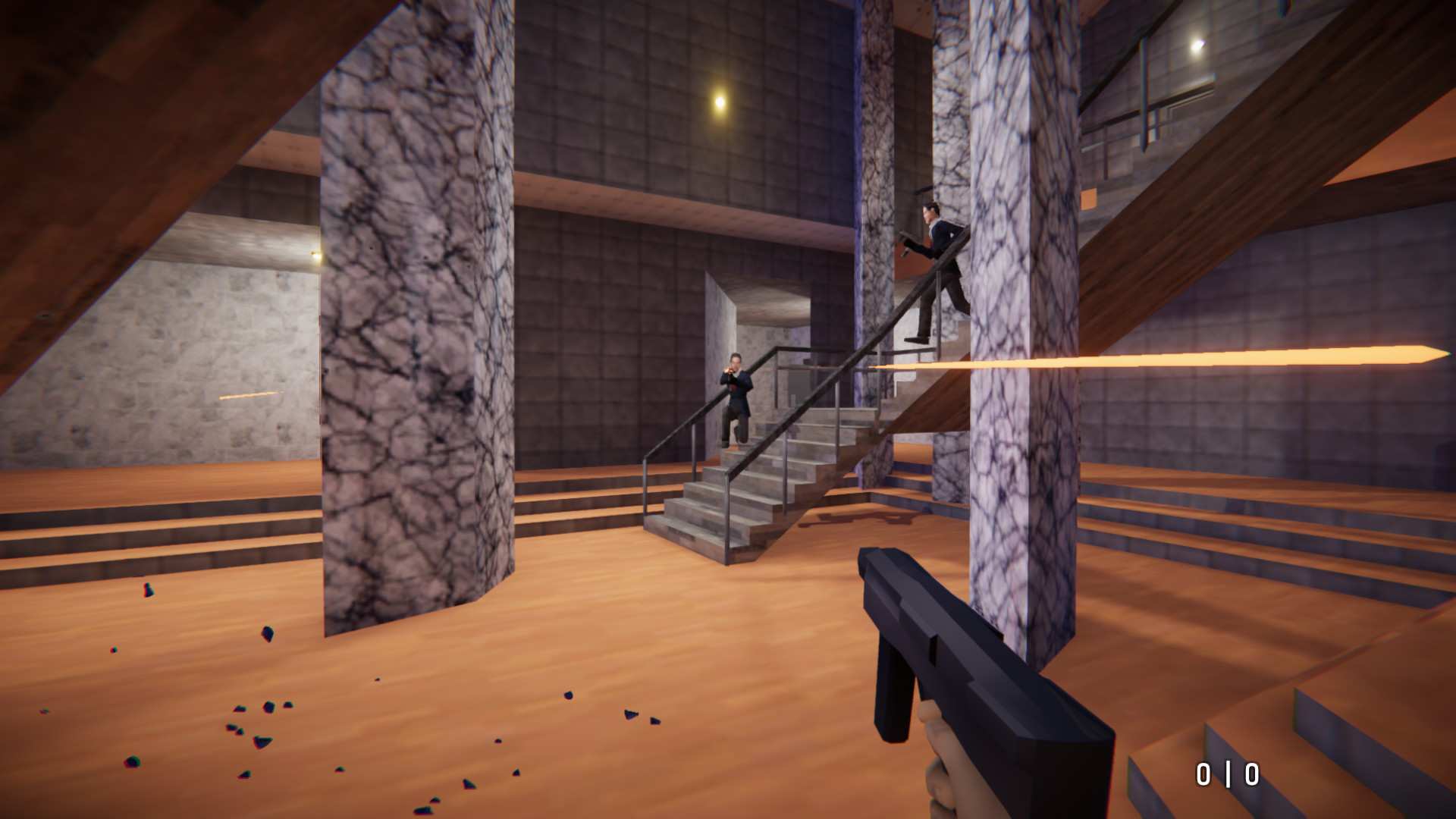
The primary strength of Agent 64: Spies Never Die lies in its unwavering commitment to authentic retro presentation. Visuals feature flat-textured, low-polygon character models with face textures plastered onto blocky heads—a direct homage to the N64 hardware limitations of 1997. Environmental design spans classic espionage tropes, from snowy military outposts to underground bunkers and luxurious villainous hideouts. Replicant D6 complements these retro models with subtle modern lighting flourishes and optional CRT filters to mimic the feel of playing on a vintage television monitor. The presentation is further enhanced by royalty-free stock sound effects that mirror the iconic audio cues of original 90s shooters, creating an atmospheric experience that instantly transports players back to the golden era of console FPS design.
Beneath its retro exterior, Agent 64 replicates the distinct gunplay and movement mechanics that made its predecessors famous while integrating subtle quality-of-life upgrades. Controlling protagonist John Walter feels deliberately reminiscent of classic console controls, featuring friendly auto-aim systems that track targets naturally across different vertical elevations. Weaponry behaves with era-appropriate characteristics, requiring players to balance rapid-fire spraying with manual aiming when using scoped sniper rifles. Crucially, the developer smoothly bridges the gap between retro feel and modern accessibility by implementing dual-analog gamepad support and precise mouse-and-keyboard controls. This hybrid design retains the nostalgic rhythm of 90s combat without forcing players to struggle against outdated single-stick movement schemes.
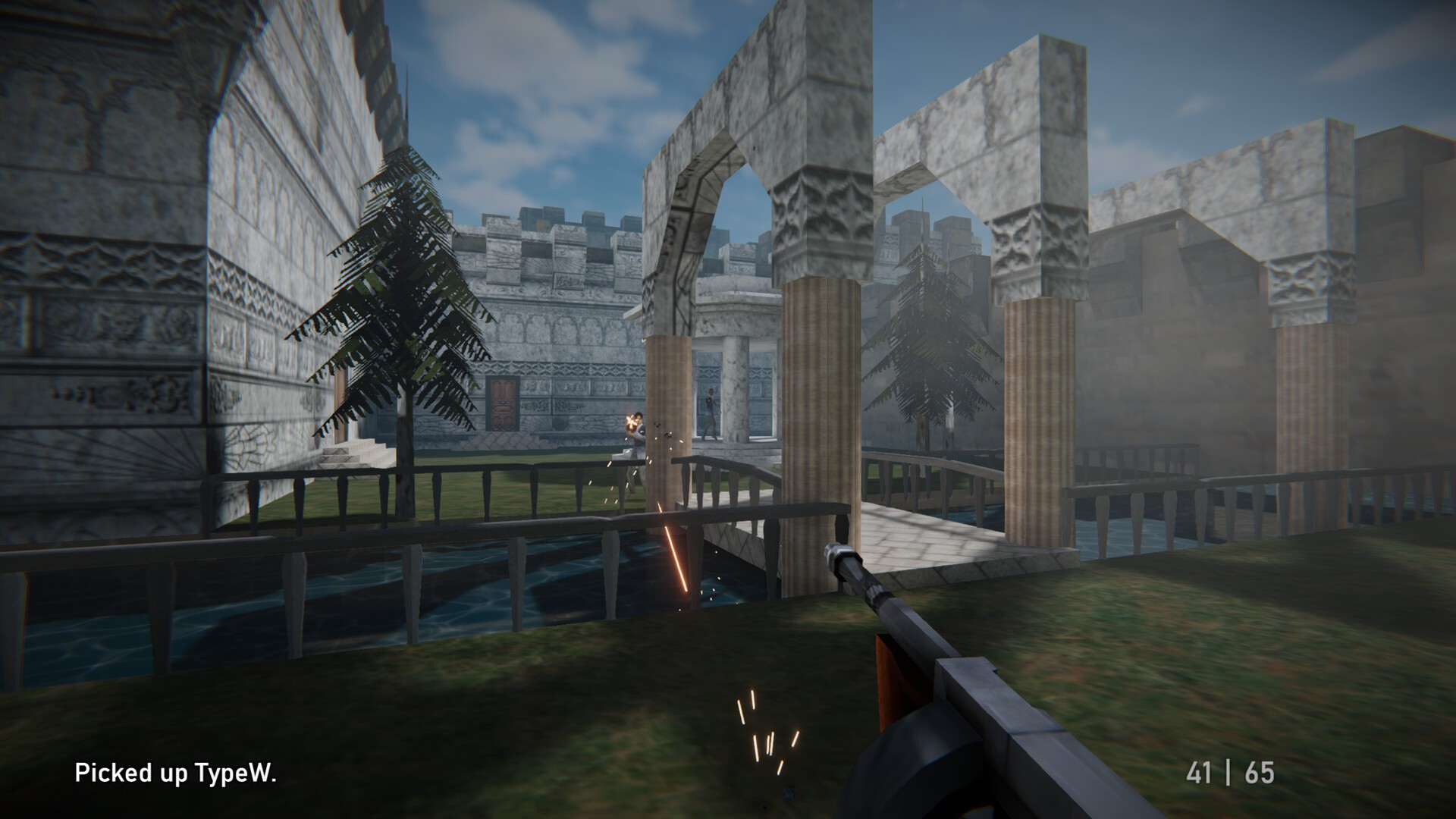
The game’s 14-level single-player campaign eschews linear corridor shooting in favor of dynamic, objective-based level design. Players choose from multiple difficulty settings that do not merely adjust enemy health, but fundamentally alter how a mission is played. Higher difficulty levels assign additional objectives—such as photographing secret blueprints, hacking mainframe terminals, or destroying surveillance equipment—forcing players to thoroughly explore levels rather than simply rushing toward an exit. Enemy AI exhibits classic behaviors, funneling through choke points and reacting dynamically to alarms or missed stealth shots. This design encourages strategic experimentation, offering a balance between deliberate stealth tactics and aggressive, loud gunfights depending on player preference and mission parameters.
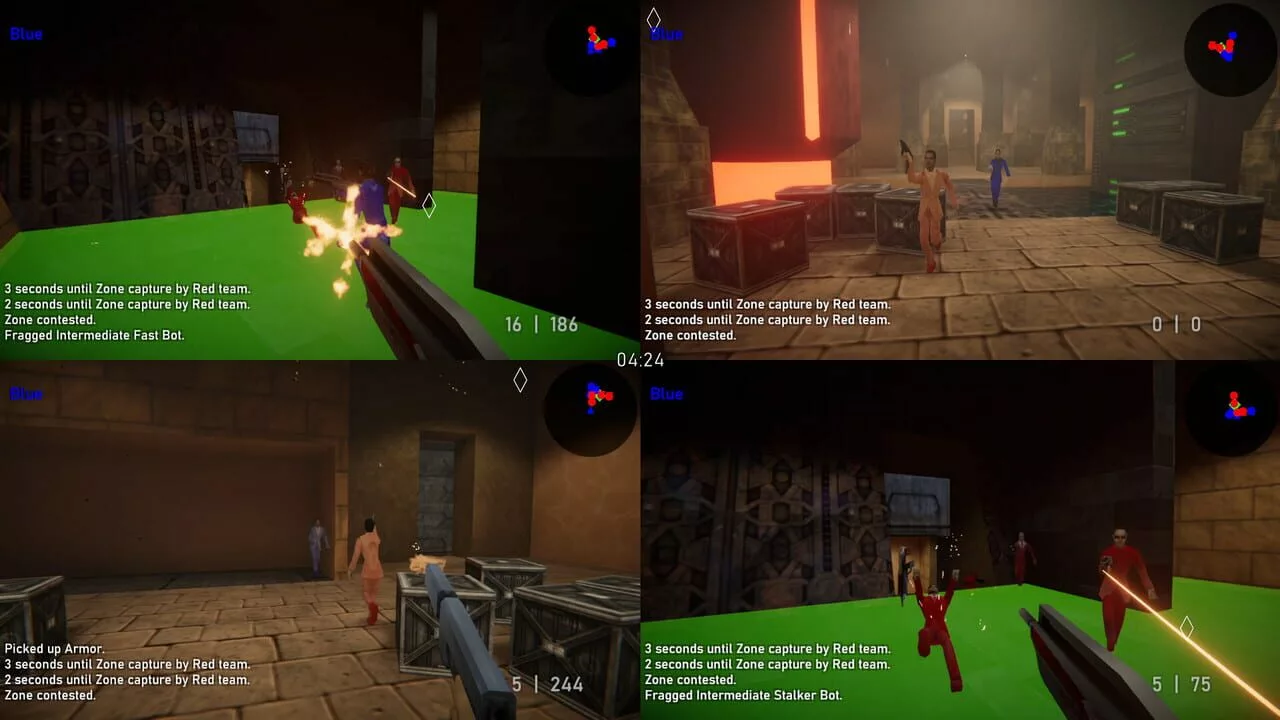
In closing: Extending beyond its single-player narrative, Agent 64: Spies Never Die honors its roots by delivering a feature-rich multiplayer suite and extensive replayability options. The game includes both split-screen couch co-op and online multiplayer modes, allowing players to relive the chaotic arena deathmatches of late-90s gaming. Additional challenge modes, time trials, and unlockable game modifiers provide deep replay value for completionists seeking to optimize their run times. While minor budget constraints are evident in simple story objectives and limited boss mechanics, the overall experience stands as an impressive triumph for a solo developer. Ultimately, Agent 64 succeeds not by riding on pure nostalgia, but by proving that the fundamental design principles of retro spy shooters are as engaging and entertaining today as they were decades ago.