Developer: Apocalypse Studios
Publisher: Apocalypse Studios
Genre: May 14th, 2026
Price: $19.99
Release Date: May 14, 2026
Where to buy: Steam
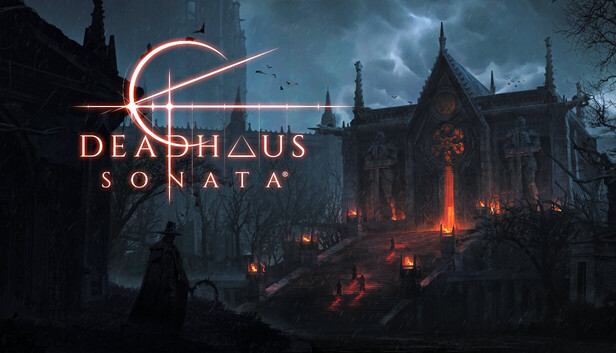
In the landscape of modern Action Role-Playing Games (ARPGs), standard genre conventions typically task the player with slaying hordes of monsters to preserve humanity. However, Apocalypse Studios’ Deadhaus Sonata upends this paradigm entirely by casting players as terrifying, immortal undead forces waging a war of dominance against the living. Directed by industry veteran Denis Dyack, the game positions itself as a spiritual successor to classic dark masterworks like Blood Omen: Legacy of Kain and Eternal Darkness: Sanity’s Requiem. By shifting the moral lens to a grim-dark, Lovecraftian world, the title offers an intricate exploration of gothic narrative, mechanical innovation, and asymmetric, cooperative gameplay.
The foundational pillar of Deadhaus Sonata is its rich, narrative-driven world-building, set within the bleak and decaying realm of Nogosaua. Born from a cosmic clash between ancient Elder Gods, the realm serves as a multi-layered backdrop heavily inspired by the psychological horror of H.P. Lovecraft and Thomas Ligotti. Rather than presenting a generic fantasy playground, the narrative utilizes hours of fully produced audio dramas to establish a persistent history shaped by regional conflicts and political intrigue between competing supernatural factions. This focus on heavy, interconnected lore ensures that player choices possess genuine philosophical weight, steering away from traditional black-and-white morality into the muddy grey areas of cosmic survival.
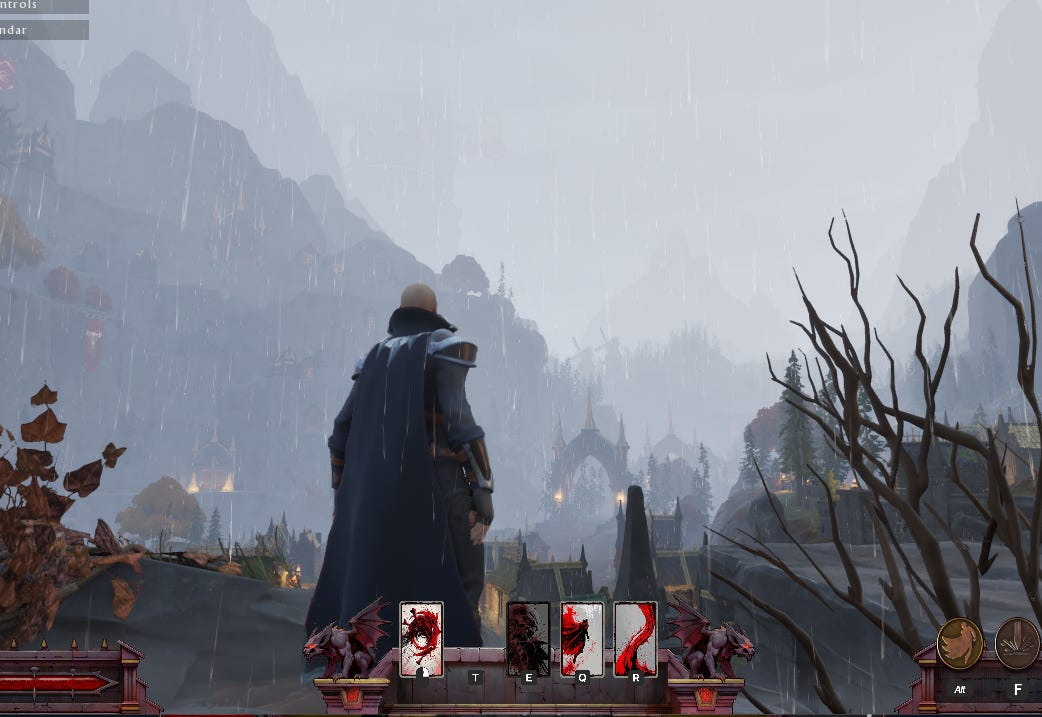
Mechanically, the game distinguishes itself through its innovative structural frameworks, most notably the Trinary Archetype System. Players select from seven distinct undead classes—including Vampires, Liches, Revenants, and Ghouls—each meticulously balanced across physical, magickal, and essential supernatural attributes. The physical attribute maximizes brute force and speed, while the magickal focus emphasizes high-impact spellcasting and reality manipulation. The essential attribute introduces unique, sentient supernatural Artifacts that possess distinct desires and parameters. This design matrix completely avoids rigid class confinement, encouraging players to experiment with diverse hybrids that fundamentally alter how they approach the battlefield.
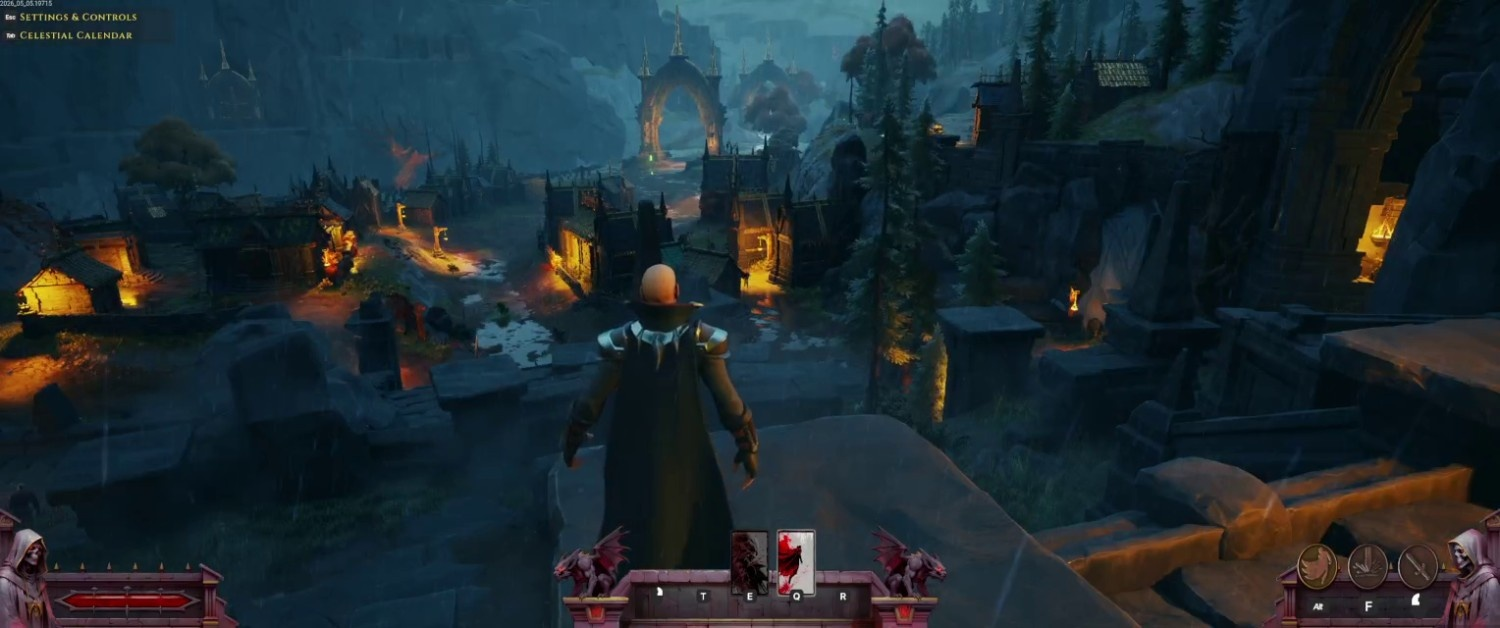
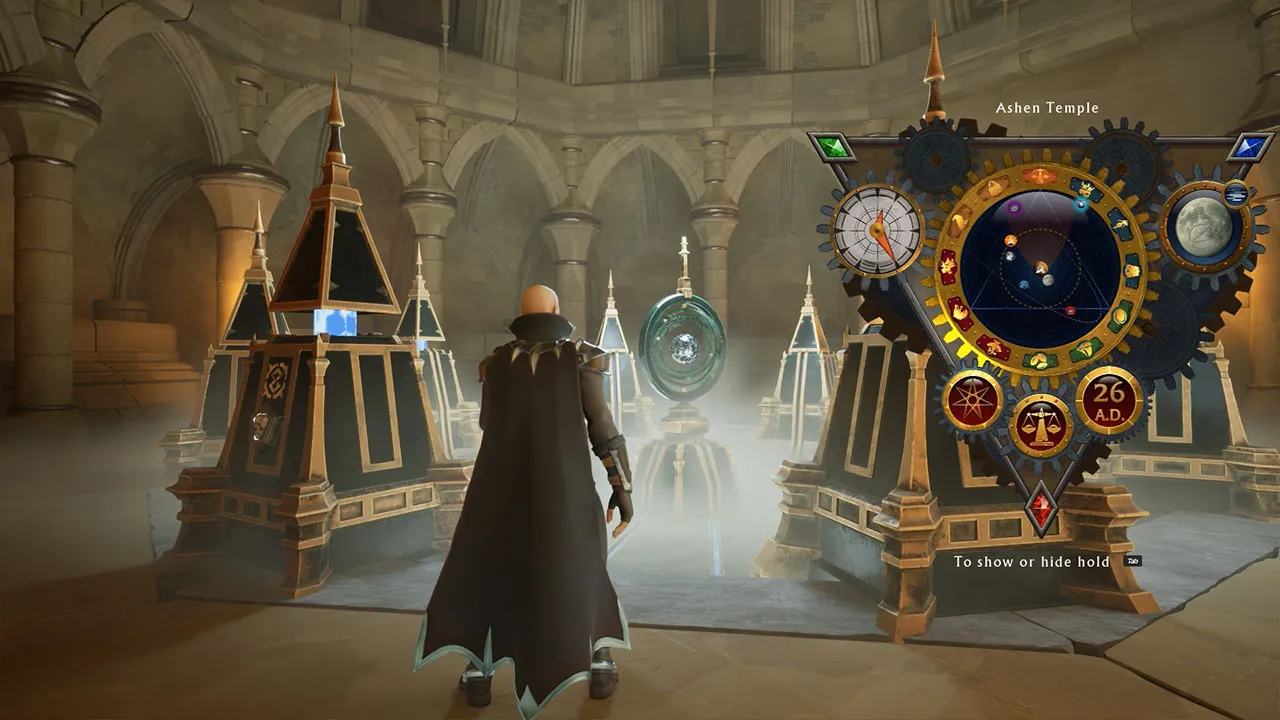
Beyond its class architecture, the game introduces experimental systems to solve long-standing design hurdles inherent to modern ARPGs. Moving away from traditional, addictive random number generation loot drops, the developers implemented a deterministic loot system inspired by quantum theory and historical mechanical devices like the Antikythera mechanism. Under this system, rewards are directly dictated by external variables, including the current state of the global world, player efficiency, and dynamic, shifting moon phases. When layered with a unique Tarot Card skill framework, the character progression system ensures that build discovery remains a fluid and evolving puzzle rather than a predictable, data-mined path.
In Conclusion: Ultimately, Deadhaus Sonata represents a bold reimagining of dark fantasy and multiplayer role-playing frameworks. By weaving dense cosmic horror directly into its gameplay loops and subverting traditional hero dynamics, it gives players the rare agency to play as the multi-faceted monsters of the story. Driven by modern visual engines and an ecosystem designed around player-driven world history, the title marks a distinct evolution for fans of cerebral action-RPGs. It serves as a haunting reminder that in the right hands, there is immense mechanical and narrative life to be found in the world of the dead.