
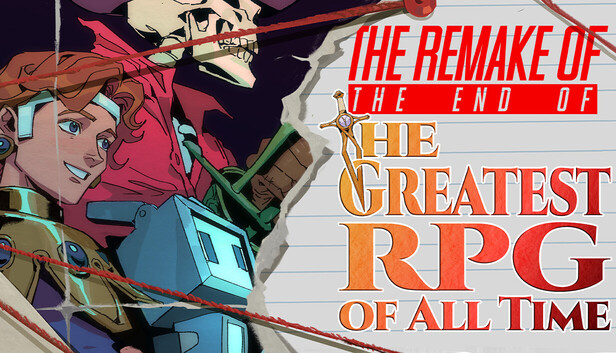
Developer: Coin Drop Games, Lucas Immanuel, jucobee, Kyle Chuang
Publisher: Coin Drop Games
Genre:RPG
Price: $9.99
Release Date: May 28, 2026
Where to buy: Steam
The landscape of modern gaming is densely populated with nostalgia, frequently manifesting as glossy, high-budget remakes of beloved classics. However, Coin Drop Games’ The Remake of the End of the Greatest RPG of All Time subverts this trend by presenting a remake of a completely fictional, non-existent 1990s JRPG. Instead of relying on a player’s genuine childhood memories, the game brilliant constructs an artificial sense of nostalgia, thrusting players directly into the final hour of an epic narrative they never actually played. By blurring the lines between game design, fictional history, and interactive mystery, the title functions less as a traditional role-playing experience and more as a brilliant, multi-layered deduction puzzle that explores our cultural obsession with gaming legacy.
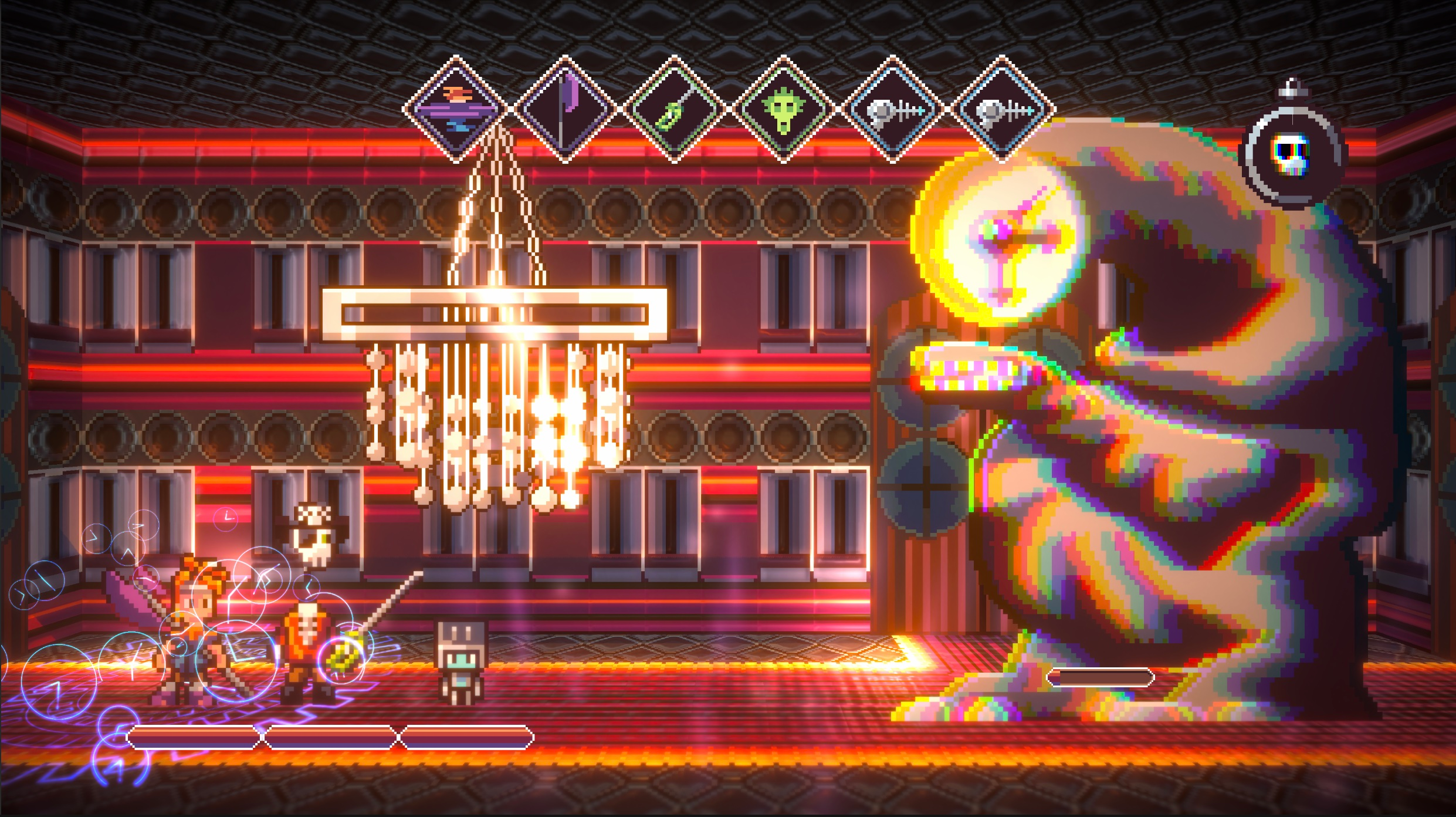
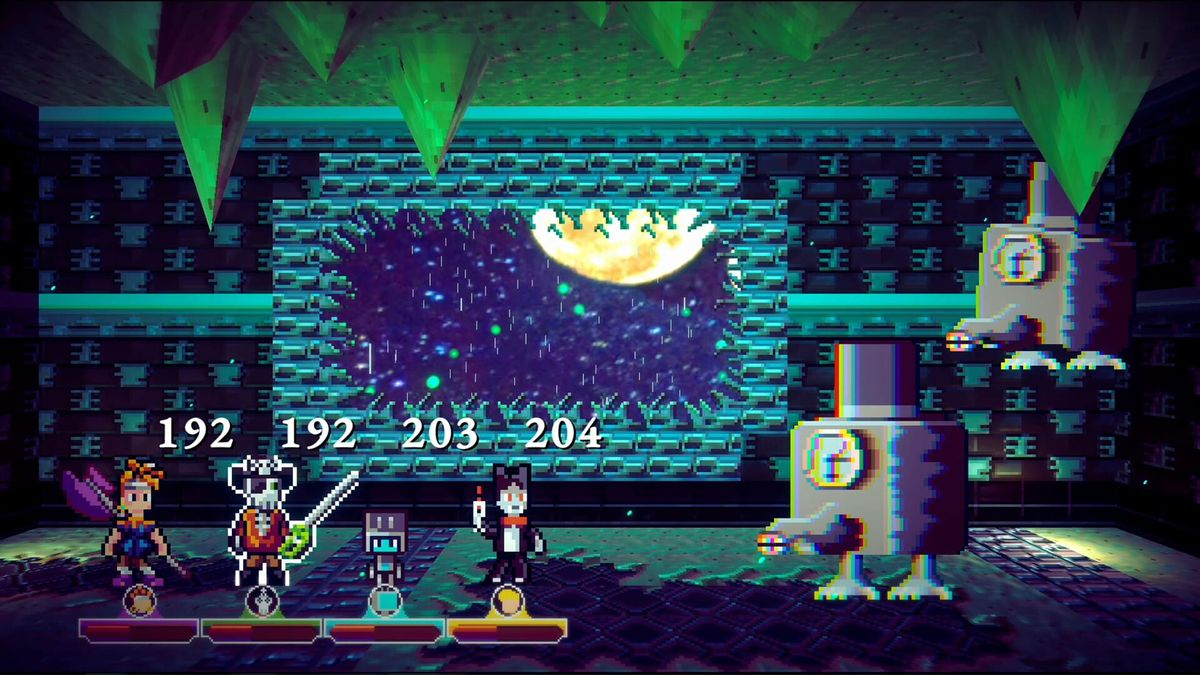
On a surface level, the gameplay perfectly captures the aesthetic and mechanical design of the SNES era, yet it completely flips the progression loop of a standard RPG. Players begin the game loaded into a “99.54% complete” save file, standing at level 99 before the final boss, surrounded by unfamiliar characters like Rose and Robert the Robot. Because the player has skipped the entire journey, traditional combat is fundamentally transformed into a high-stakes guessing game where enemies are completely immune to anything except their specific, hidden weaknesses. Success does not come from grinding for experience points, but rather from executing precise, puzzle-like attack combinations that must be uncovered through environmental clues.
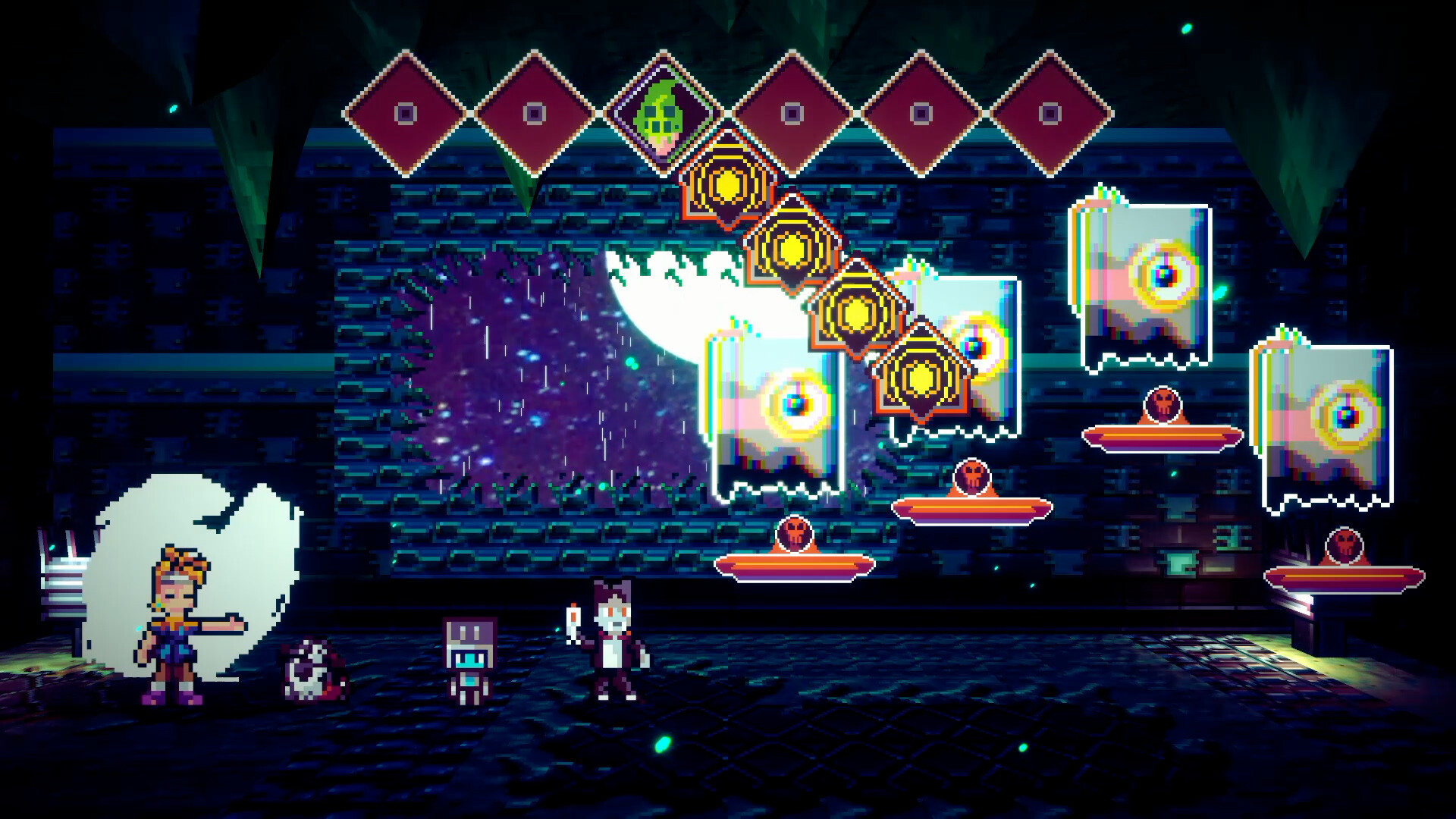
To navigate this bewildering final hour, players must look beyond the screen and engage with the game’s primary mechanic: exhaustive investigative deduction. Progression relies on collecting and analyzing “out-of-game” artifacts, such as missing pages from the title’s fictional physical instruction manual, nodes of director’s commentary, and fragments of an unreleased amateur documentary. For example, a players might discover a torn page from a strategy guide detailing an electric combo, or listen to a developer’s note to figure out an elemental vulnerability. This loop brilliantly replicates the playground hearsay and lost-media exploration of early internet gaming culture, transforming the player from a warrior into a digital archaeologist.
The complexity of the game deepens dramatically through its bold use of a multi-tiered meta-narrative that frequently breaks the fourth wall. At any point, the player can “log out” of the JRPG interface to explore a sterile, first-person 3D liminal space representing the developer’s background environment. Puzzles in the 2D world frequently unlock video files or developer diaries in the 3D space, which in turn grant items or cheat codes required to bypass softlocks in the 2D game. By forcing the player to constantly shift between playing the game, studying its fictional development history, and breaking its actual code, the narrative constructs a brilliant commentary on the relationship between a piece of art and the messy human context behind its creation.
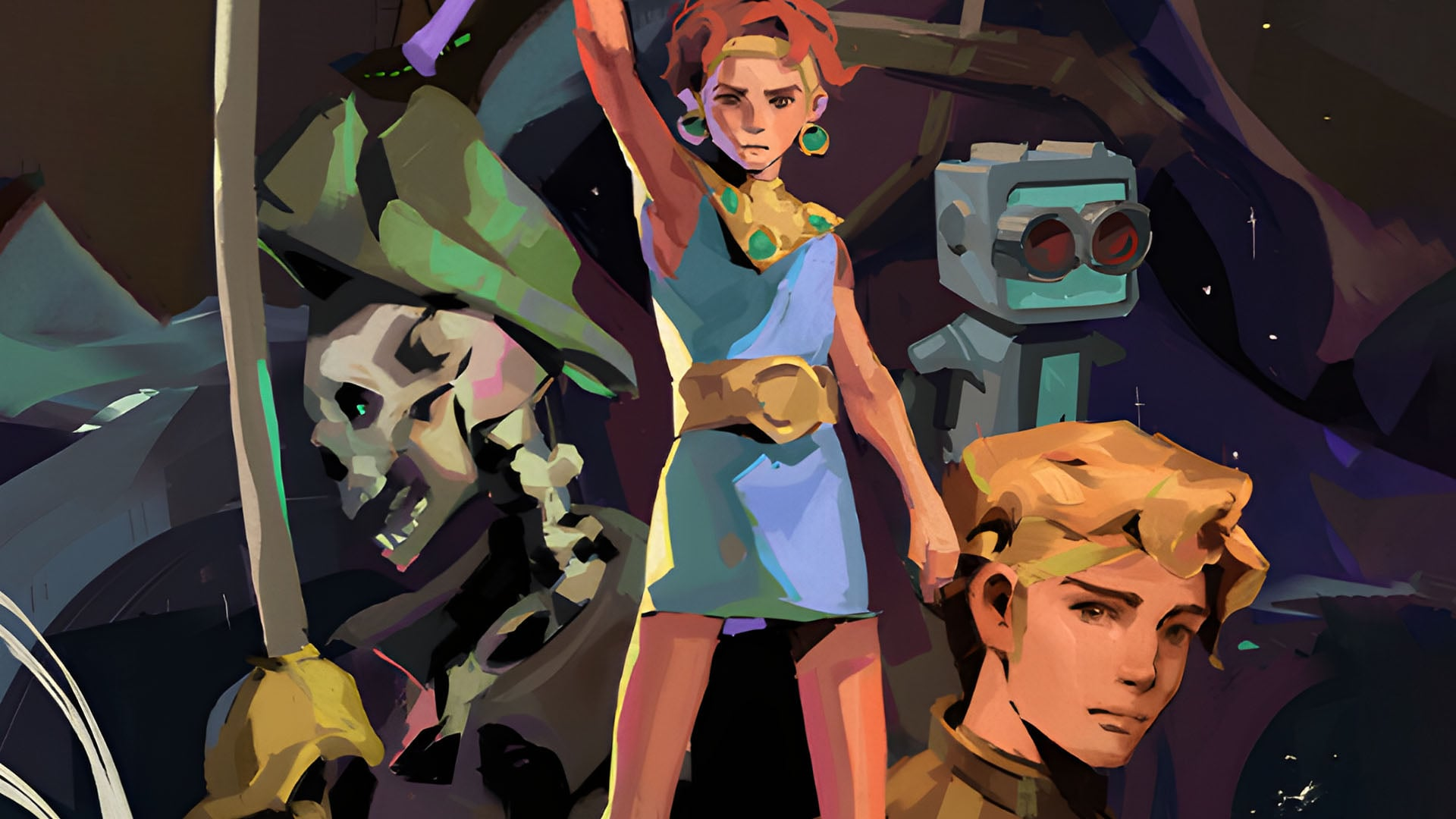
Ultimately, The Remake of the End of the Greatest RPG of All Time stands as a remarkably clever love letter to video game history that thrives on the beauty of leaving things to the imagination. By forcing players to piece together the emotional gravity of heroic sacrifices and plot arcs they never witnessed, it masterfully evokes a profound, bittersweet longing for a golden age of gaming that never actually happened. It proves that the true magic of a great RPG lives not just in the hours spent leveling up, but in the community discourse, the mysteries, and the shared myths that surround it. Through its brilliant fusion of escape-room logic and nostalgic metafiction, the game cements itself as an unforgettable, genre-bending triumph.