

Developer: Phorust Studios
Publisher: Runic Forge, Gamersky Games
Genre: Idle, Simulator,
Price: $7.99
Release Date: Aug 19, 2026
Where to buy: Steam
Introduction In the landscape of modern indie gaming, Hearth and Hamlet stands out as a compelling fusion of cozy life-simulation and strategic settlement management. Set in a charming medieval-inspired world, the game invites players to step away from high-stakes fantasy combat and instead focus on the intricate duties of nurturing a small community from a modest clearing into a thriving village. Through its thoughtful design, the title captures the warmth of personal craft alongside the satisfaction of macro-level organization. Hearth and Hamlet succeeds as an engaging simulation game through its rewarding resource management loop, its emphasis on community dynamics, and its atmospheric presentation.
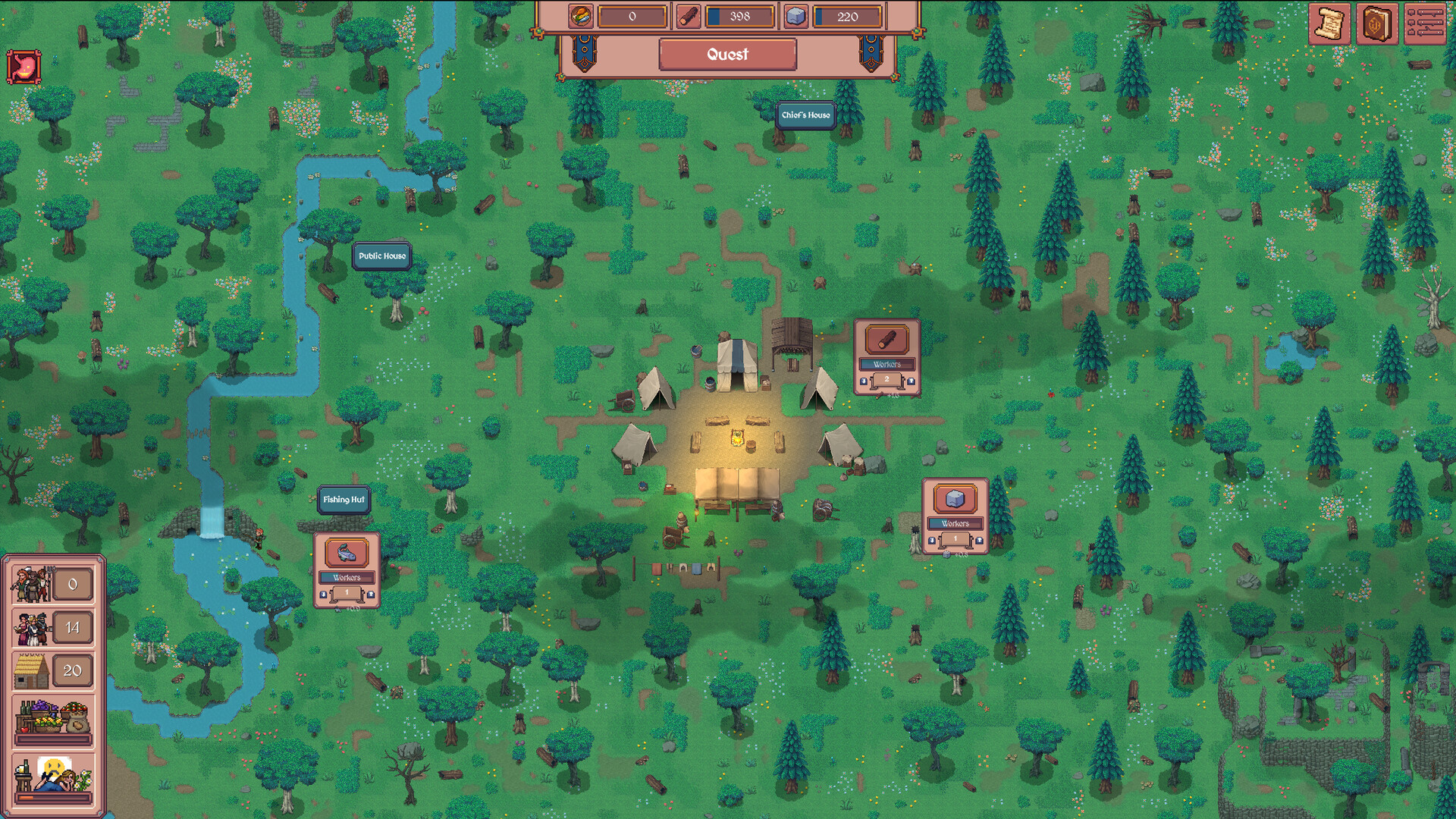
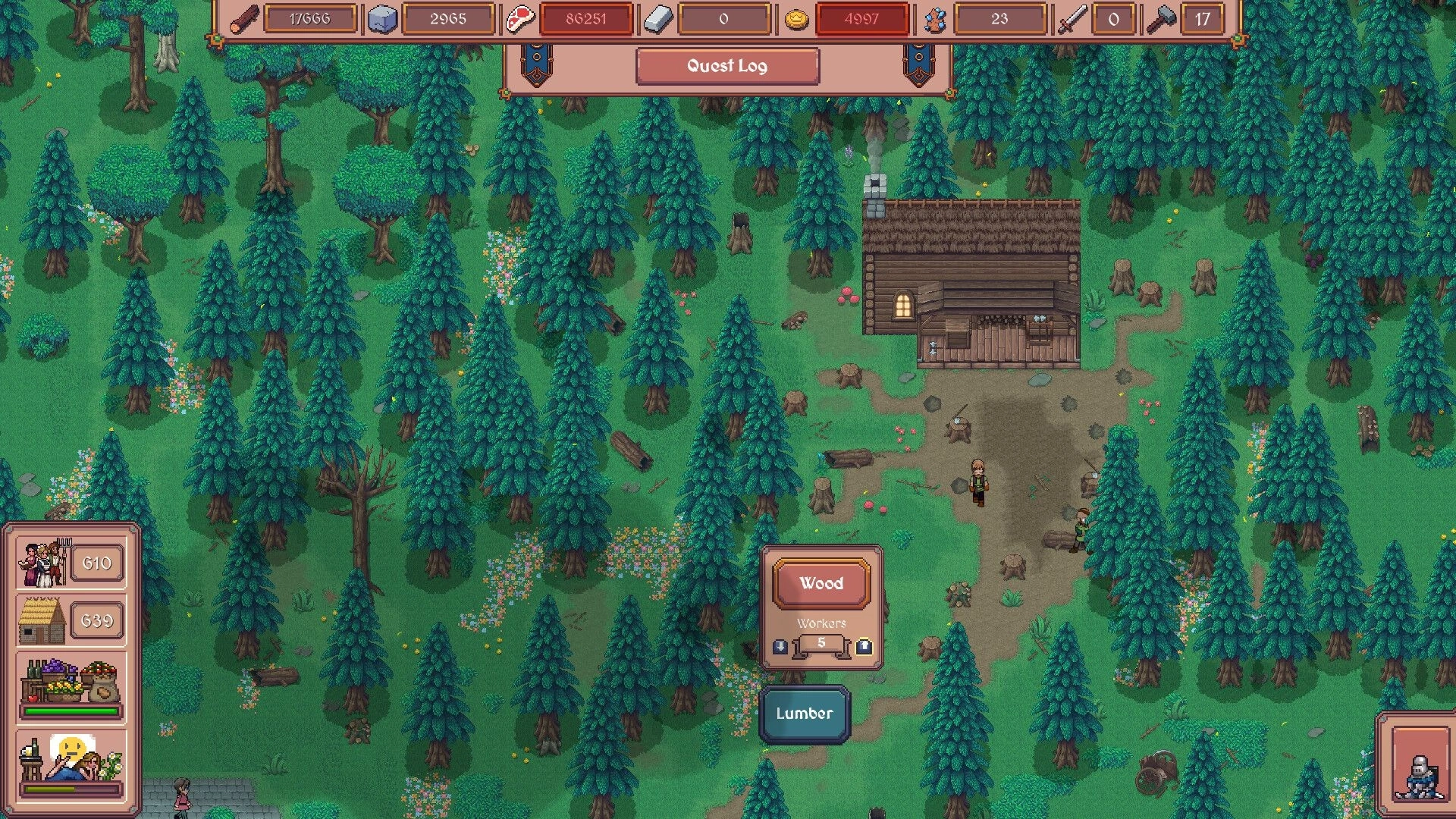
Resource Management and Crafting At the core of Hearth and Hamlet lies a multi-tiered resource management system that keeps gameplay dynamic and purposeful. Players begin with fundamental survival tasks, such as harvesting timber, foraging for food, and maintaining a central hearth fire to keep villagers safe and warm. As the hamlet grows, simple collection transforms into complex supply chains where raw materials are processed into specialized goods like textiles, tools, and preserves. Balancing immediate operational needs—such as feeding residents during harsh seasons—against long-term infrastructure investment creates a satisfying cycle of progression that rewards careful planning without becoming overly punitive.
Community Dynamics and NPC Interactivity Beyond basic mechanics, Hearth and Hamlet sets itself apart through its focus on interpersonal management and NPC autonomy. The villagers are not merely generic workforce units; each citizen possesses distinct personality traits, skill sets, and personal aspirations that influence the hamlet’s overall harmony. Players must manage public satisfaction by building communal spaces, assigning roles that match individual strengths, and resolving local disputes. When residents feel valued and well-supported, their productivity increases, turning the village into a self-sustaining ecosystem driven by the collective effort of its inhabitants.
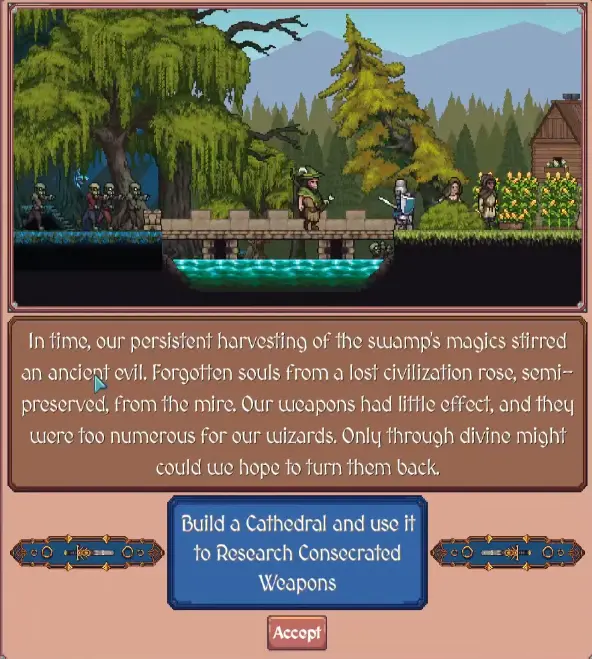
Visual and Audio Atmosphere The game’s immersive quality is strongly elevated by its art direction and sound design, which work in tandem to cultivate a distinct sense of place. Soft, hand-painted visual aesthetics render the changing seasons with vivid detail, from vibrant summer harvests to quiet, snow-covered winters. Complementing the art, an acoustic medieval soundtrack featuring lutes, flutes, and ambient nature sounds establishes an inviting rhythm. These sensory elements soften the mechanical density of the management systems, ensuring that even routine administrative tasks feel relaxing rather than stressful.
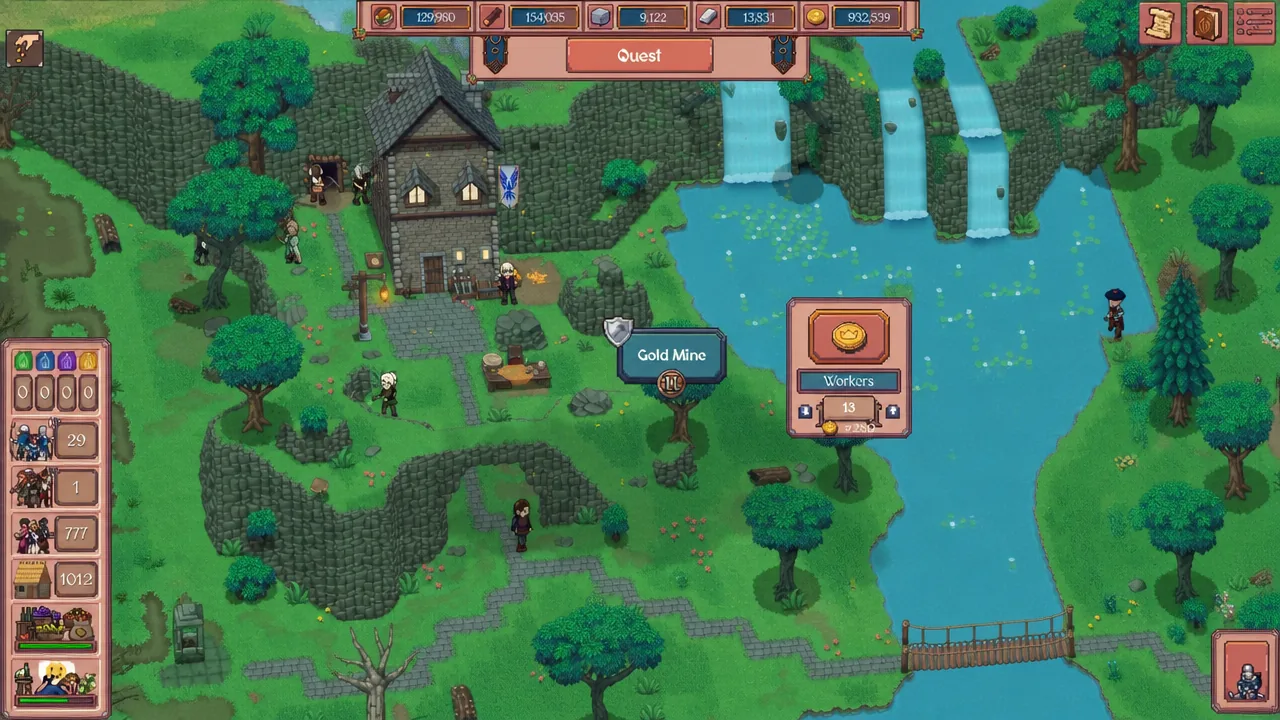
Conclusion Ultimately, Hearth and Hamlet demonstrates how effective game design can blend relaxing life-simulation elements with deep management strategy. By grounding its core gameplay in structured resource logistics, meaningful character interactions, and a rich atmospheric presentation, the game delivers a deeply satisfying experience for simulation enthusiasts. It highlights the quiet triumph of building a functional home and community against the odds, proving that nurturing a humble hamlet can be just as thrilling as saving a kingdom.