
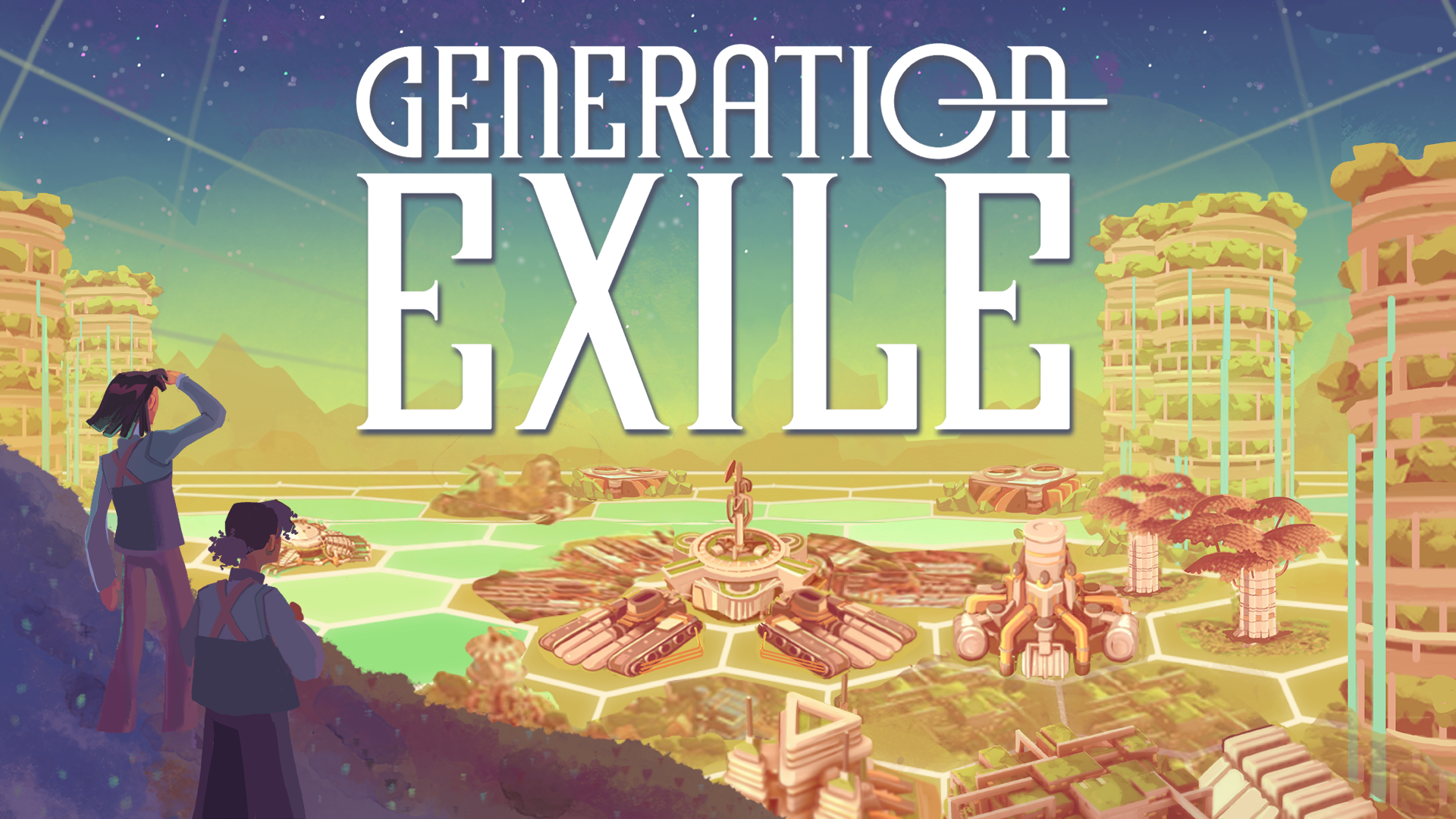
Developer: Sonderlust Studios
Publisher: Sonderlust Studios
Genre: City Builder, Colony Sim,
Price: $29.99
Release Date: Apr 17, 2026
Where to buy: Steam
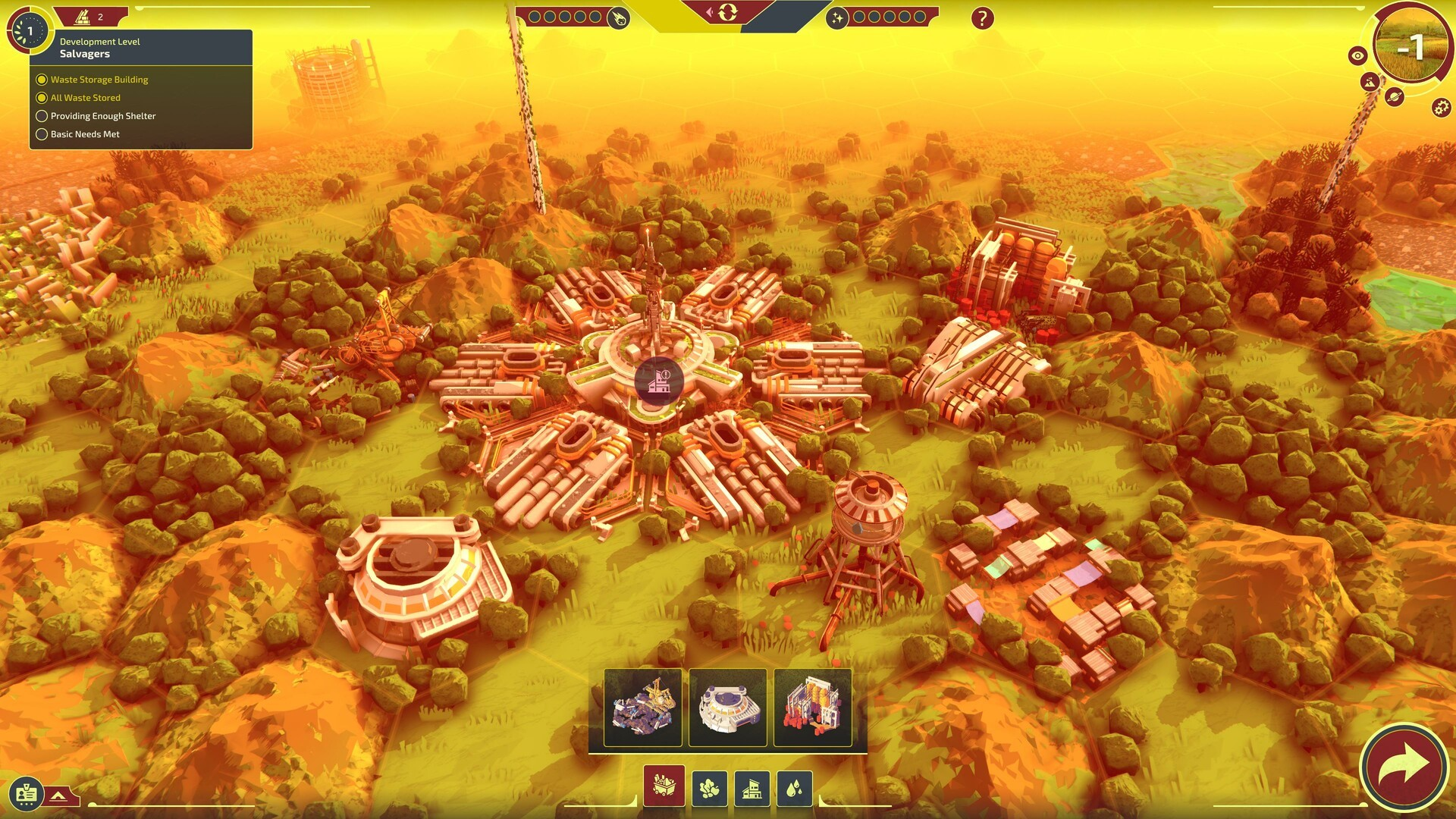
The Generation Exile series stands as a definitive exploration of the human cost of systemic collapse and the grueling reality of life after the fall. This saga moves beyond the initial shock of catastrophe, settling instead into the bureaucratic and psychological reality of life within the “Exile Zones.” The narrative acts as a metaphor for the physical and psychological confinement the characters endure, suggesting a world that has shrunk to the size of a holding cell or a rigid military grid.
The Architecture of Displacement
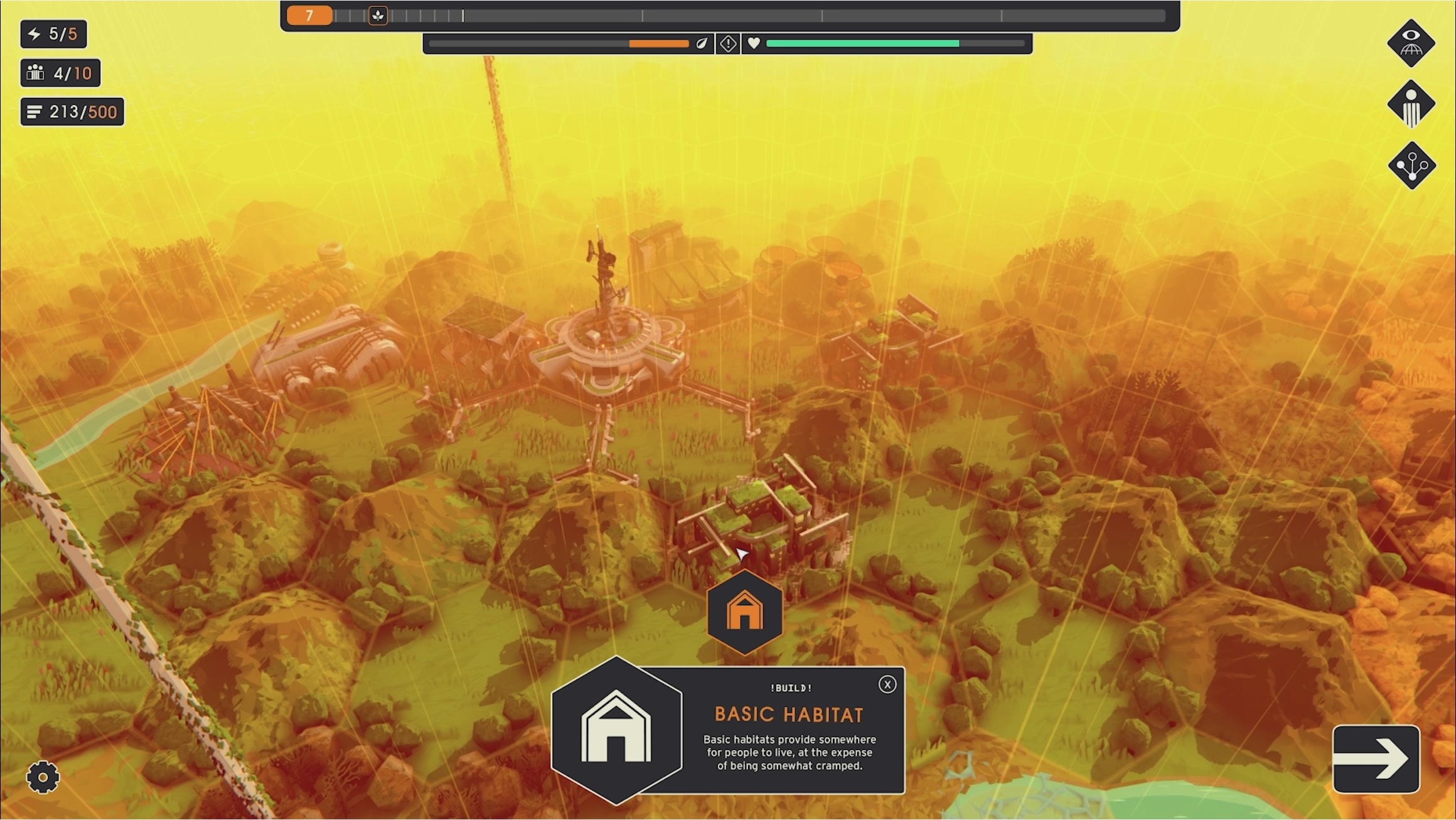
At its core, the narrative explores the erosion of individual identity in the face of mass migration. The protagonists are no longer defined by their former professions or lineages but by their utility to a system that views them as logistical problems to be solved. This series masterfully depicts a “ghost-limb syndrome,” where characters reach for a past that has been surgically removed by history. The tension is not merely found in the external threats of the wasteland, but in the internal struggle to remain human when the environment demands nothing but survival.
Pacing and Atmospheric Depth
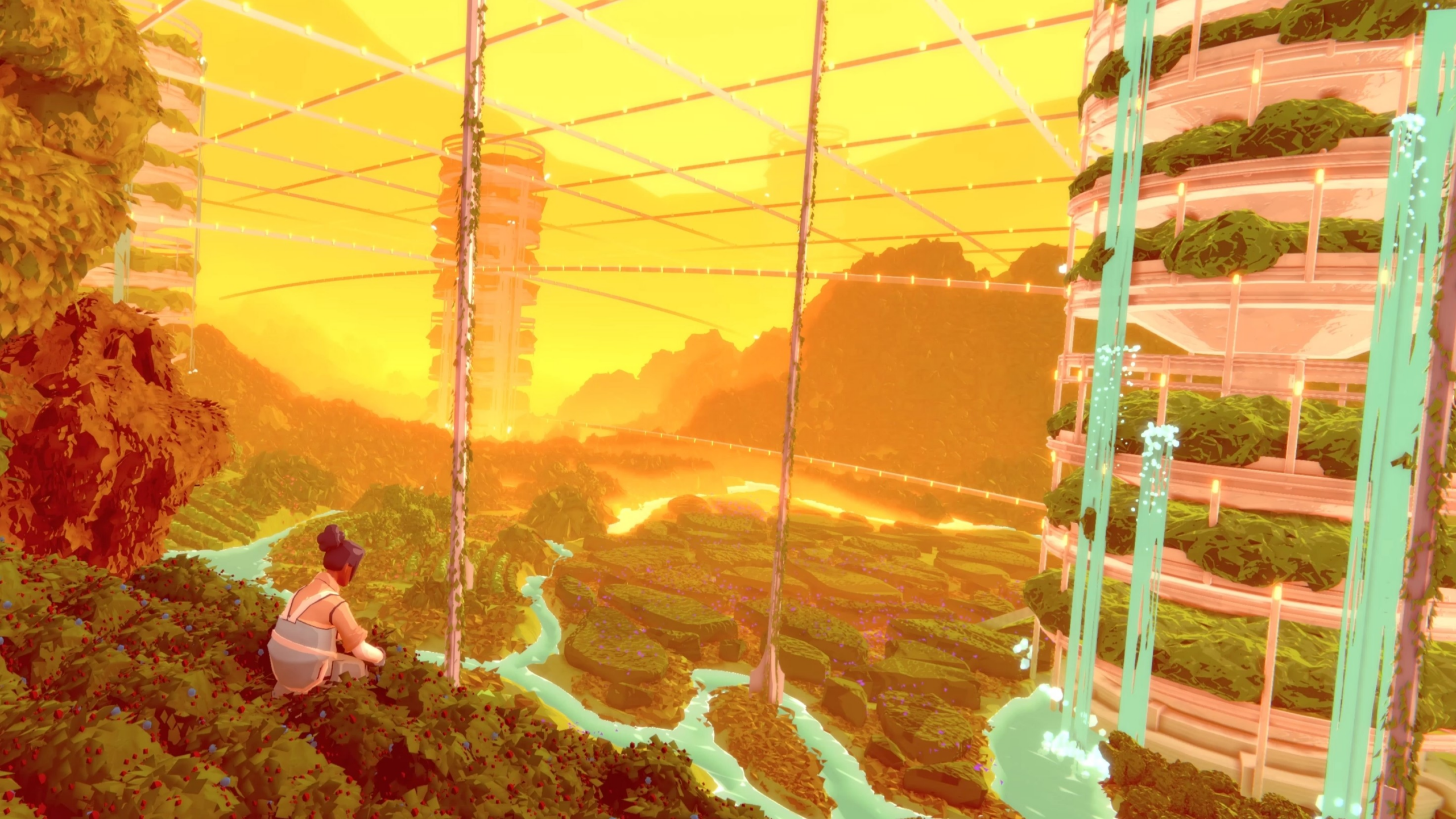
The pacing is intentionally breathless, mirroring the claustrophobia of its setting. The author utilizes sensory details to build a world that feels both decaying and dangerously alive. Readers are immersed in the metallic tang of recycled air and the persistent, low-humming anxiety of the disenfranchised. While the relentless speed of the plot effectively conveys the urgency of the characters’ plight, it occasionally risks emotional fatigue. There are moments where a quieter, more reflective beat might have allowed the weight of the tragedy to fully settle, yet the narrative choice to keep the pressure constant serves to reinforce the characters’ lack of agency.
Final Reflections
Generation Exile is an intellectual achievement that elevates the series from a standard dystopian thriller to a poignant commentary on contemporary migration and the fragility of social contracts. It is a difficult read precisely because it refuses to offer easy catharsis. Instead, it forces a confrontation with the uncomfortable reality that home is not always a place one can return to. By the end, the transition from a story of fleeing to a story of radical foundation is complete, leaving the reader as exhausted and transformed as the survivors themselves.