Developer: Implicit Conversions
Publisher: Bliss Brain
Genre: Shmup
Price: $39.99
Release Date: Initial release date May 27, 1999, July 15, 2026
Where to buy: Steam, PSN,
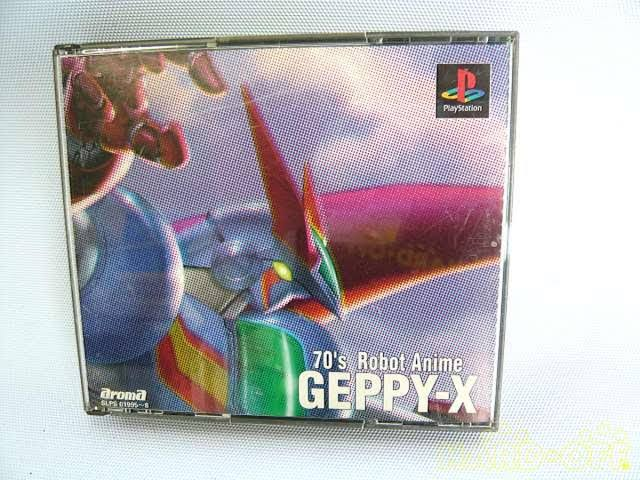
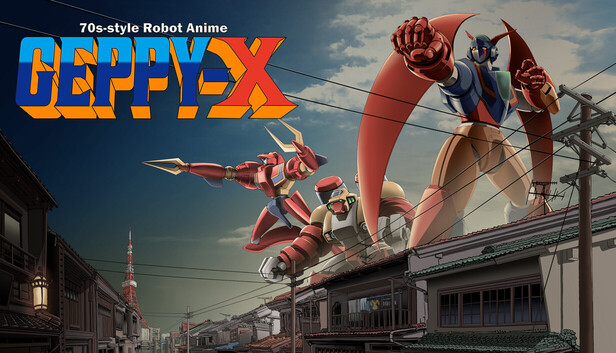
The golden age of 1970s giant robot anime was defined by hot-blooded heroic tropes, transforming mechanical titans, and sweeping orchestral theme songs. While many legendary series left permanent marks on Japanese pop culture, one of the most exhaustive celebrations of the entire subgenre did not debut on television, but on a home video game console. Released for the Sony PlayStation in 1999 by developer Aroma, 70’s Robot Anime: Geppy-X stands as a monumental interactive homage to the era of classic mecha. By structural design, aesthetics, and pure historical devotion, the title functions as both an exceptional side-scrolling shoot-’em-up and a brilliant piece of cultural preservation that captures the exact soul of vintage animation.
What elevates Geppy-X above typical parody is its uncompromising structure, which forces the player to participate in a simulated television broadcast. Rather than using standard level selections, the game’s nine combat stages are framed precisely like individual TV episodes. Each stage begins with a bombastic opening theme song, partitions the action into distinct “Part A” and “Part B” gameplay segments separated by an anime eye-catch, and concludes with an ending credits sequence followed by a “next episode” preview. Aroma went so far as to animate fictional 1970s commercial breaks, showcasing fake advertisements for mecha plastic model kits, character-branded shampoo, and adjacent retro anime parodies. This structural mimicry ensures that playing the game feels less like clearing a digital space shooter and more like tuning in to a localized broadcast network in the year 197X.
The visual and narrative presentation of the game serves as an explicit love letter to the collaborative mecha universes pioneered by legendary creators Go Nagai and Ken Ishikawa. The storyline follows three hot-headed young pilots who must combine their vehicles into the giant robot Geppy-X to defend Earth from the invading Cosmic Demon Empire and their massive “Space Beasts.” Pushing the storage capacity of the original PlayStation to its physical limits, the game famously spanned four compact discs to accommodate over 8,000 frames of authentic, hand-drawn full-motion video animation. Every major narrative trope is executed with affectionate earnestness, right down to a mid-season mechanical evolution where the core machine undergoes a desperate, high-stakes upgrade into the vastly more powerful Geppy-XX.
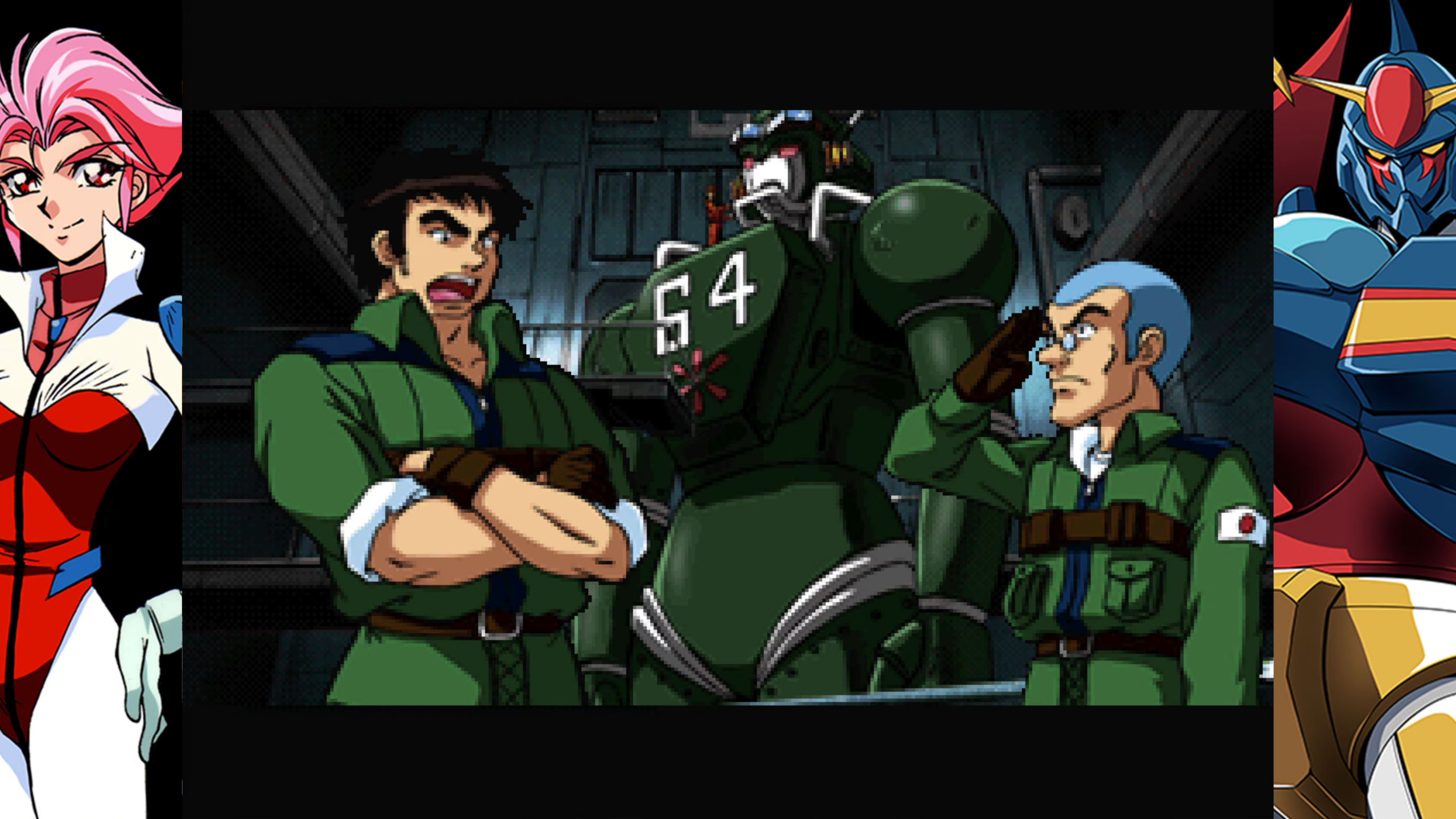
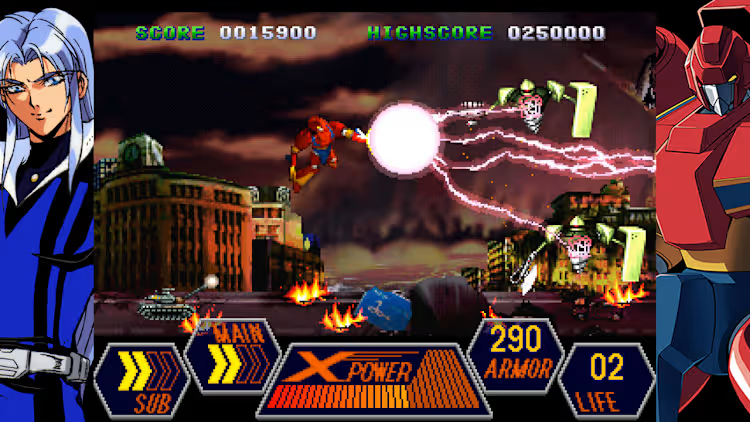
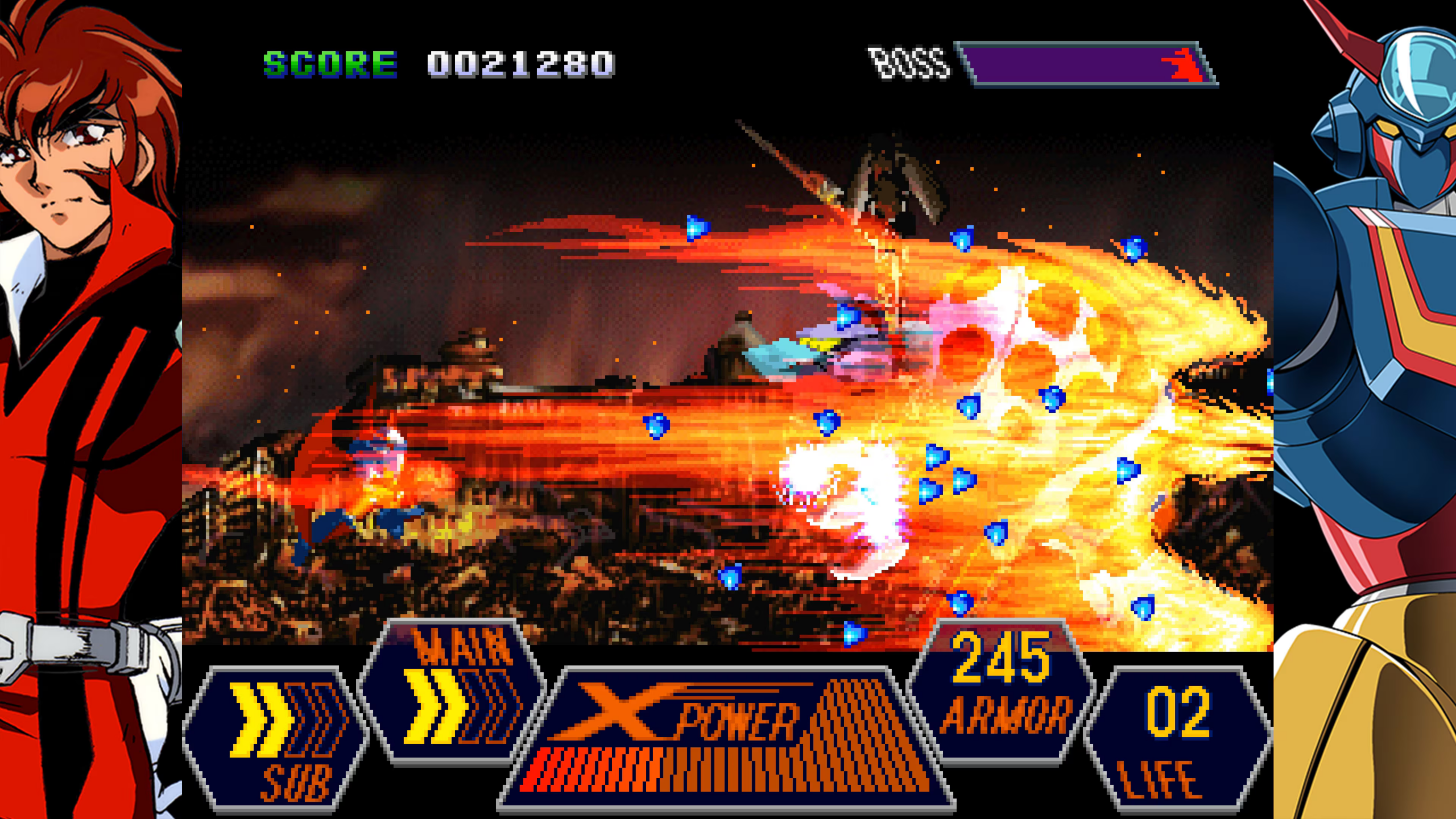
Beneath its heavy layers of episodic packaging, Geppy-X delivers a highly strategic, fast-paced 2D arcade shooting experience built around real-time transformation. Players must constantly rotate between three distinct piloting configurations to survive the onslaught, heavily mirroring the mechanical dynamics of the classic Getter Robo series. The X1 form acts as a balanced precision type with versatile, forward-facing firepower; the X2 form emphasizes extreme speed, defensive mobility, and screen-clearing energy attacks; the X3 form sacrifices range for immense, high-risk physical power utilizing devastating close-quarters strikes. Success requires the player to dynamically analyze incoming boss patterns and wave layouts, treating the mechanical forms not just as cosmetic variants, but as functional puzzle pieces required to dismantle the enemy empire.
The ultimate authenticity of Geppy-X is solidified by its legendary audio production, which united the definitive creative voices of the super robot generation. The game features full voice acting from top-tier anime veterans of the era, including Akira Kamiya, Sho Hayami, and Shūichi Ikeda, lending immense theatrical weight to the dramatic mid-flight dialogue. Furthermore, the soundtrack features original compositions performed by defining anime music icons such as Isao Sasaki, Akira Kushida, and Hironobu Kageyama—the exact vocalists responsible for the historical soundtracks of Mazinger Z, Getter Robo, and Grendizer. Through its meticulous dedication to structural framing, lavish hand-drawn animation, and unparalleled audio pedigree, Geppy-X transcends basic video game status to exist as a definitive, playable monument to a beloved era of television history.