

Developer: Gotcha Gotcha Games
Publisher: Gotcha Gotcha Games
Genre: Game Development
Price: $99.99
Release Date: Jun 16, 2025
Where to buy: Steam
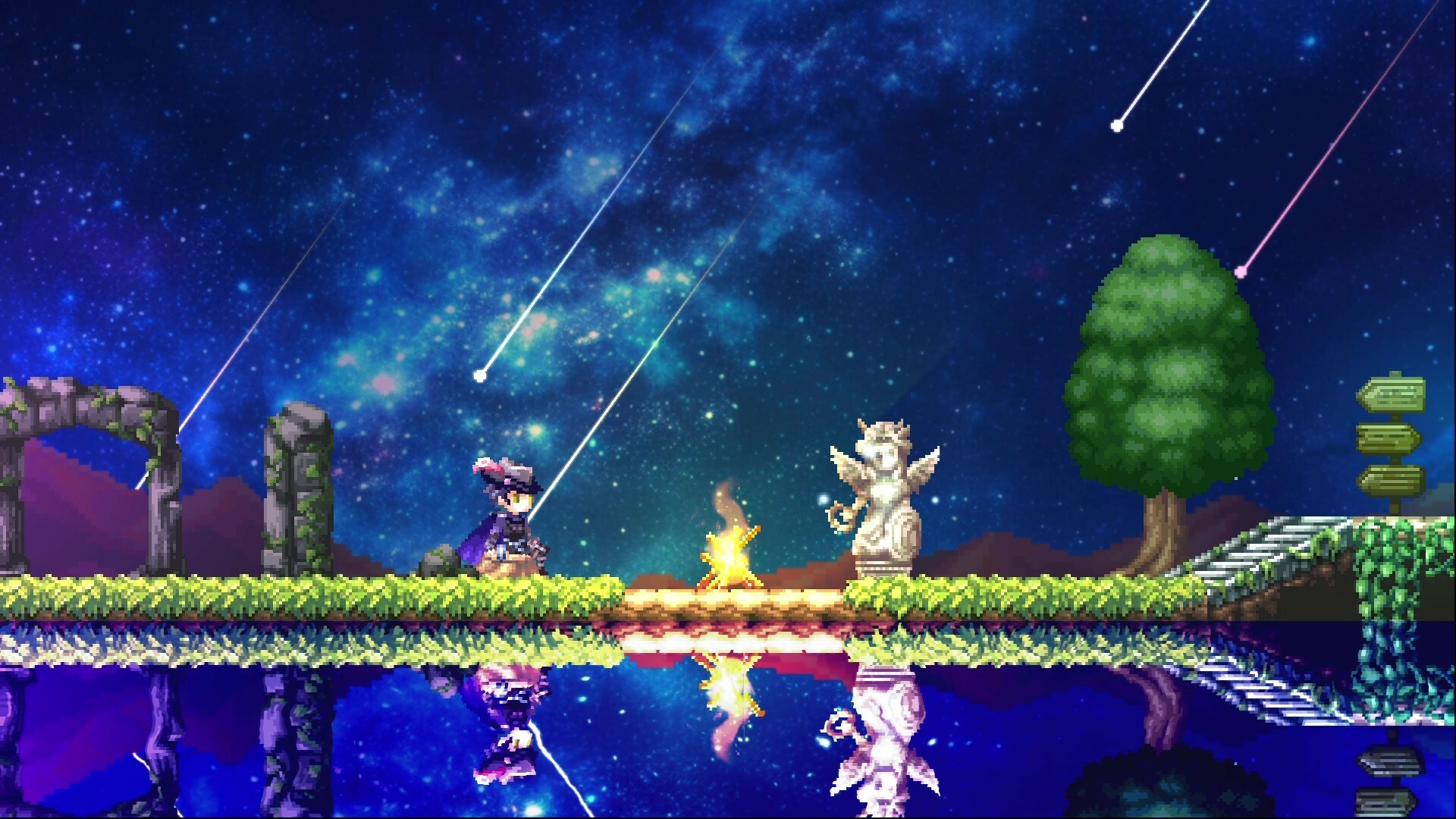
Action Game Maker (AGM) presents itself as an accessible gateway into the often-intimidating world of game development, specifically targeting the creation of 2D action games. For aspiring developers and hobbyists who dream of crafting their own side-scrolling brawlers, platformers, or shoot-em-ups without delving deep into complex coding, AGM offers a compelling proposition. This essay will explore AGM’s core functionalities, ease of use, strengths, and limitations, ultimately assessing its value proposition in the diverse landscape of game development tools.
Accessibility and Learning Curve
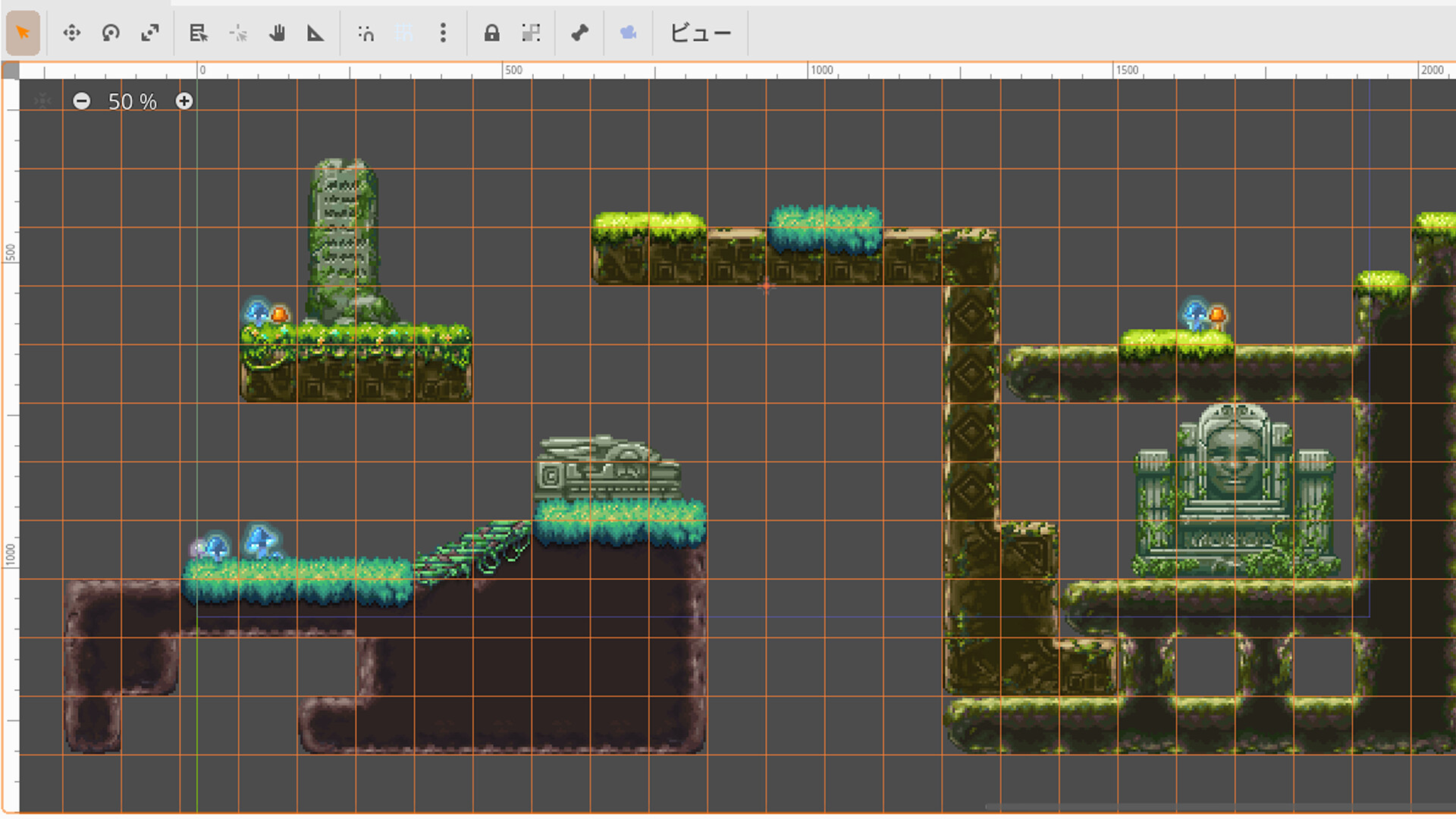
One of AGM’s most significant selling points is its commitment to ease of use. Designed with a visual scripting approach, it largely bypasses the need for traditional programming languages. Users can construct game logic through a system of events and actions, often involving drag-and-drop interfaces and predefined parameters. This abstraction layer is a double-edged sword: it drastically lowers the barrier to entry for complete beginners, allowing them to see tangible results quickly, which can be highly motivating. The learning curve is relatively gentle for those familiar with similar visual scripting tools or even presentation software, as the core concepts revolve around associating triggers with effects. However, this simplicity can also become a constraint for more ambitious projects.
Core Features and Workflow
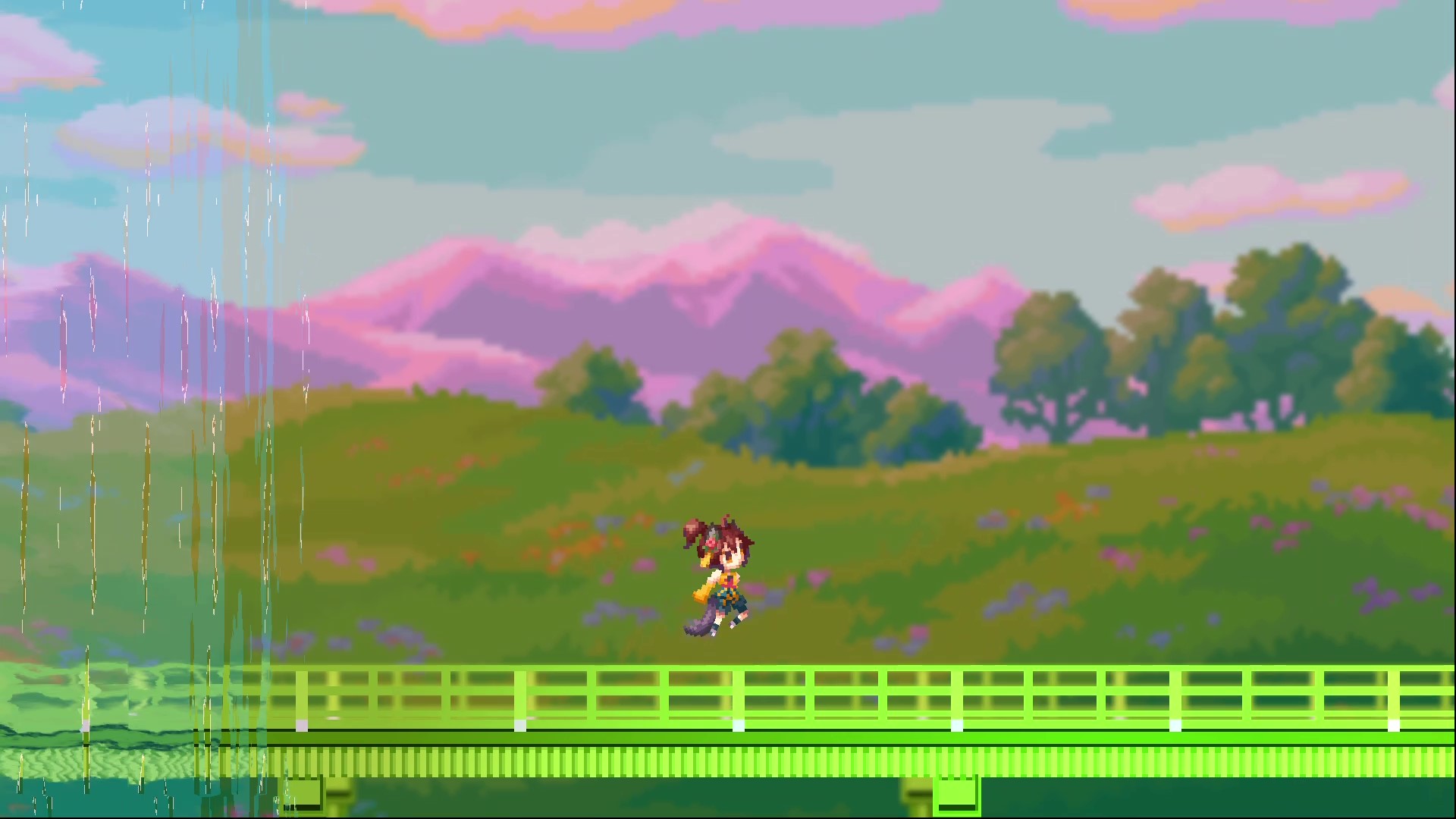
AGM provides a suite of integrated tools necessary for game creation. Its asset management system allows for the import and organization of sprites, backgrounds, sounds, and music, providing a centralized hub for all visual and auditory components. The sprite editor, while basic, enables simple animations and frame-by-frame adjustments, crucial for the fluid movement of action game characters.
The heart of AGM lies in its event-driven system. Developers define conditions (e.g., “player collides with enemy,” “button pressed,” “timer reaches zero”) and then dictate the corresponding actions (e.g., “reduce enemy health,” “play sound effect,” “spawn projectile”). This system, though powerful enough for a variety of action mechanics, relies heavily on predefined actions. For common scenarios like character movement, combat hit detection, and basic AI, AGM provides ready-to-use functions, streamlining the development process.
Level design is handled through a tile-based editor, allowing for intuitive construction of game environments. Users can paint terrain, place objects, and define collision areas. Character creation is also simplified, with templates and properties that can be adjusted to define movement speed, jump height, attack types, and other attributes typical of action game protagonists and antagonists.
Strengths of Action Game Maker
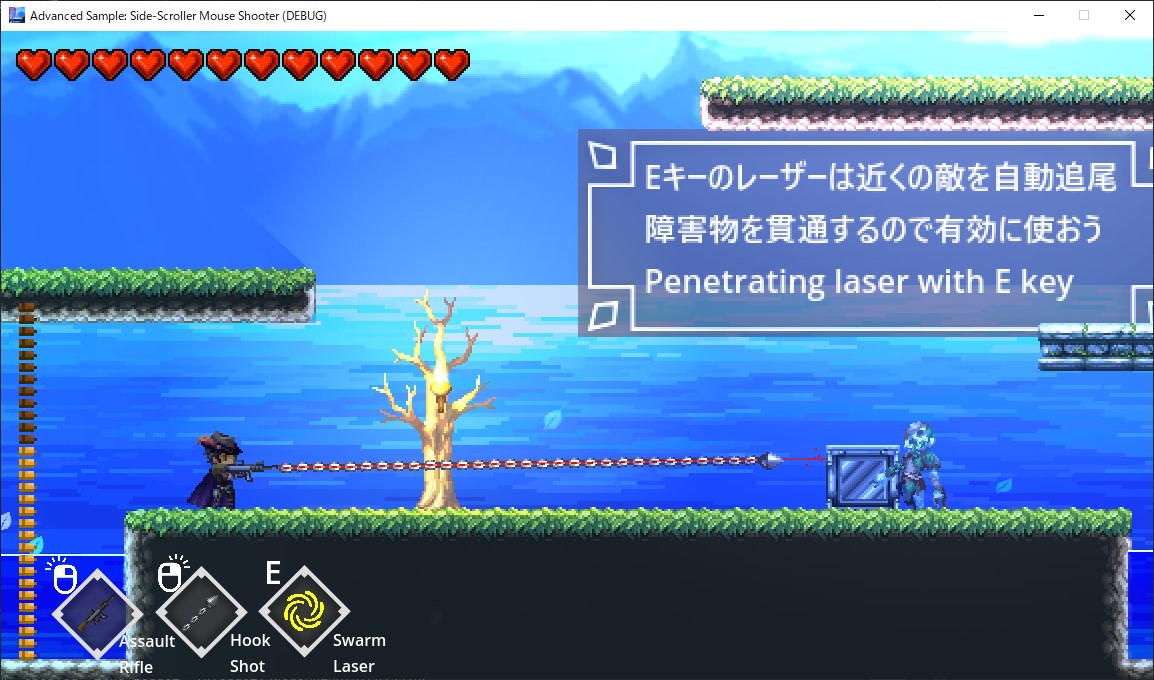
AGM’s primary strength is its unparalleled focus on 2D action game genres. Unlike general-purpose engines that require extensive configuration for specific game types, AGM provides genre-specific tools and workflows that accelerate development. This specialization means less time wrestling with engine setup and more time crafting core gameplay mechanics. Rapid prototyping is another significant advantage; a complete, playable prototype can be assembled remarkably quickly, allowing for immediate testing and iteration of ideas. This makes it an excellent tool for game jams or for quickly validating a concept.
Furthermore, AGM’s visual nature makes it highly accessible to non-programmers, including artists, designers, or even young aspiring game creators. It democratizes game development, empowering individuals to bring their action game visions to life without needing a background in computer science.
Limitations and Considerations
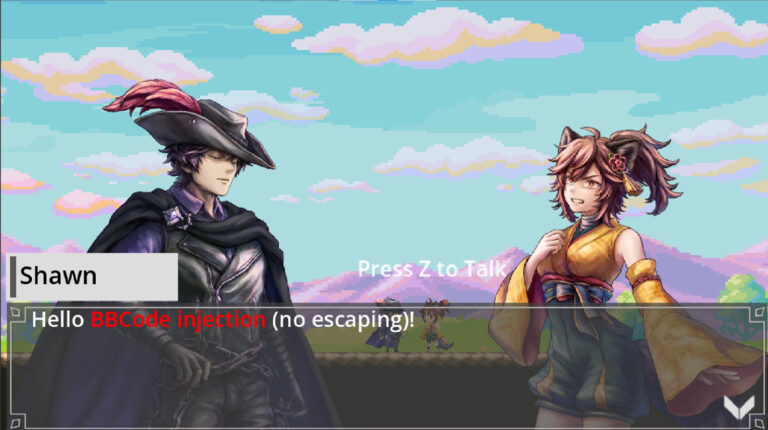
Despite its strengths, AGM is not without its limitations. The very abstraction that makes it accessible can also be its biggest drawback. The reliance on predefined events and actions means that highly unique or complex game mechanics often require creative workarounds or may be impossible to implement directly. Developers looking for deep customization, advanced physics simulations, or complex AI behaviors might quickly find AGM’s capabilities restrictive compared to more robust engines like Unity or Godot(seeing it is based off it).
The visual style of games created with AGM can sometimes appear generic if developers don’t invest heavily in unique custom assets. The engine’s built-in functionalities tend to produce a particular “feel” that, while serviceable, might lack the distinctiveness achievable with more open-ended tools. Scaling up projects can also become challenging; as the number of events and objects grows, managing complexity within a purely visual, non-hierarchical structure can become cumbersome.
Finally, while AGM is great for learning fundamental game design principles, it may not translate directly to skills valuable in professional game development, where proficiency in coding languages and more industry-standard engines is often required.
Conclusion
Action Game Maker is an excellent tool for its specific niche: aspiring developers and hobbyists interested in creating 2D action games without coding. Its intuitive visual interface, genre-specific features, and rapid prototyping capabilities make it an ideal starting point for those eager to see their game ideas come to life quickly. While it may lack the flexibility and depth required for highly complex or unique projects, its strengths in accessibility and focused genre support make it a valuable resource. For anyone looking to dip their toes into action game development and prioritize immediate creative output over intricate technical control, AGM stands out as a commendable choice, offering a fun and relatively straightforward path to realizing their pixelated action dreams come true.