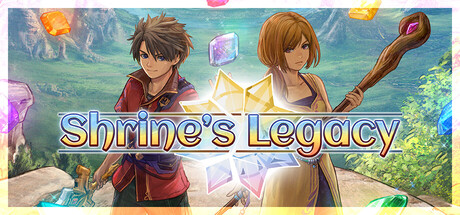
Developer: Positive Concept Games
Publisher: indie.io, Levelup Games
Genre: Action RPG
Price: $19.99
Release Date: Oct 7, 2025
Where to buy: Steam,
Shrine’s Legacy, a debut title from Positive Concept Games, serves as a heartfelt and sophisticated love letter to the 16-bit action RPGs of the Super Nintendo era. Far from being a mere imitation, the game deftly blends the charming pixel art, top-down exploration, and compelling fantasy narratives of classics like Secret of Mana and Illusion of Gaia with modern design sensibilities. This synthesis results in an experience that is at once deeply nostalgic and vibrantly fresh, proving that the foundational elements of the genre possess an enduring and captivating appeal. The title successfully captures the imaginative spirit of the ’90s, translating a simple heroic premise—the quest to restore the Sword of Shrine and defeat the evil Aklor—into a journey that resonates with both veterans of the era and new players.
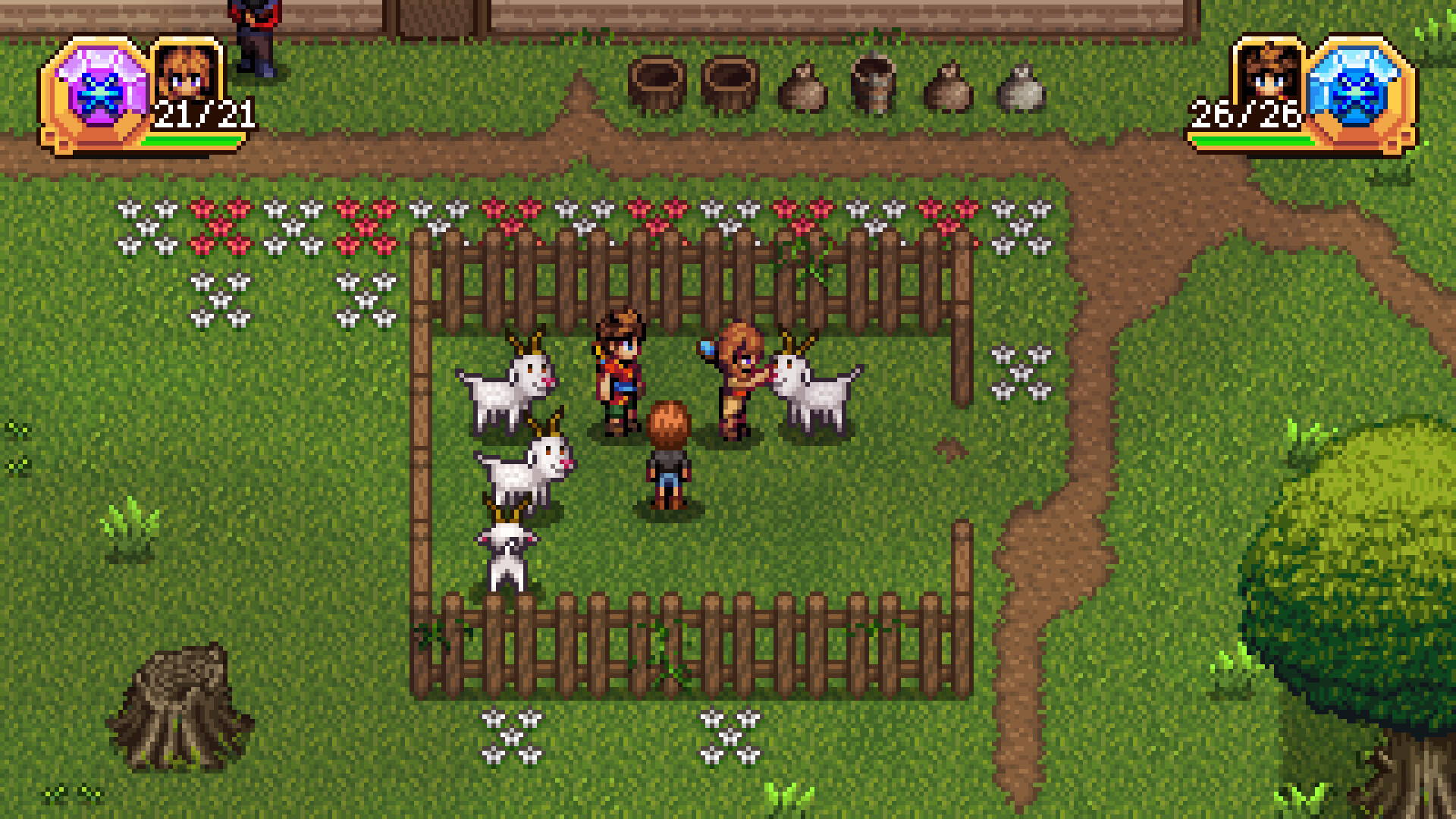
One of Shrine’s Legacy’s most significant contributions to the retro-inspired landscape is its seamless integration of local co-op gameplay. While the single-player experience allows one to fluidly swap between the sword-wielding Rio and the magic-specialist Reima, the addition of a second player elevates the game’s core action-RPG mechanics. This feature directly channels the spirit of Secret of Mana, which itself was a pioneer in co-operative console play, fostering shared exploration and cooperative puzzle-solving. The duo’s distinct skill sets, which utilize elemental magic for both combat and environmental manipulation, are perfectly suited for synergistic play. This emphasis on shared experience makes the adventure more than just a solo heroic tale; it transforms the quest to save Ardemia into a bonding experience, harkening back to a time when games were often enjoyed shoulder-to-shoulder with a friend.
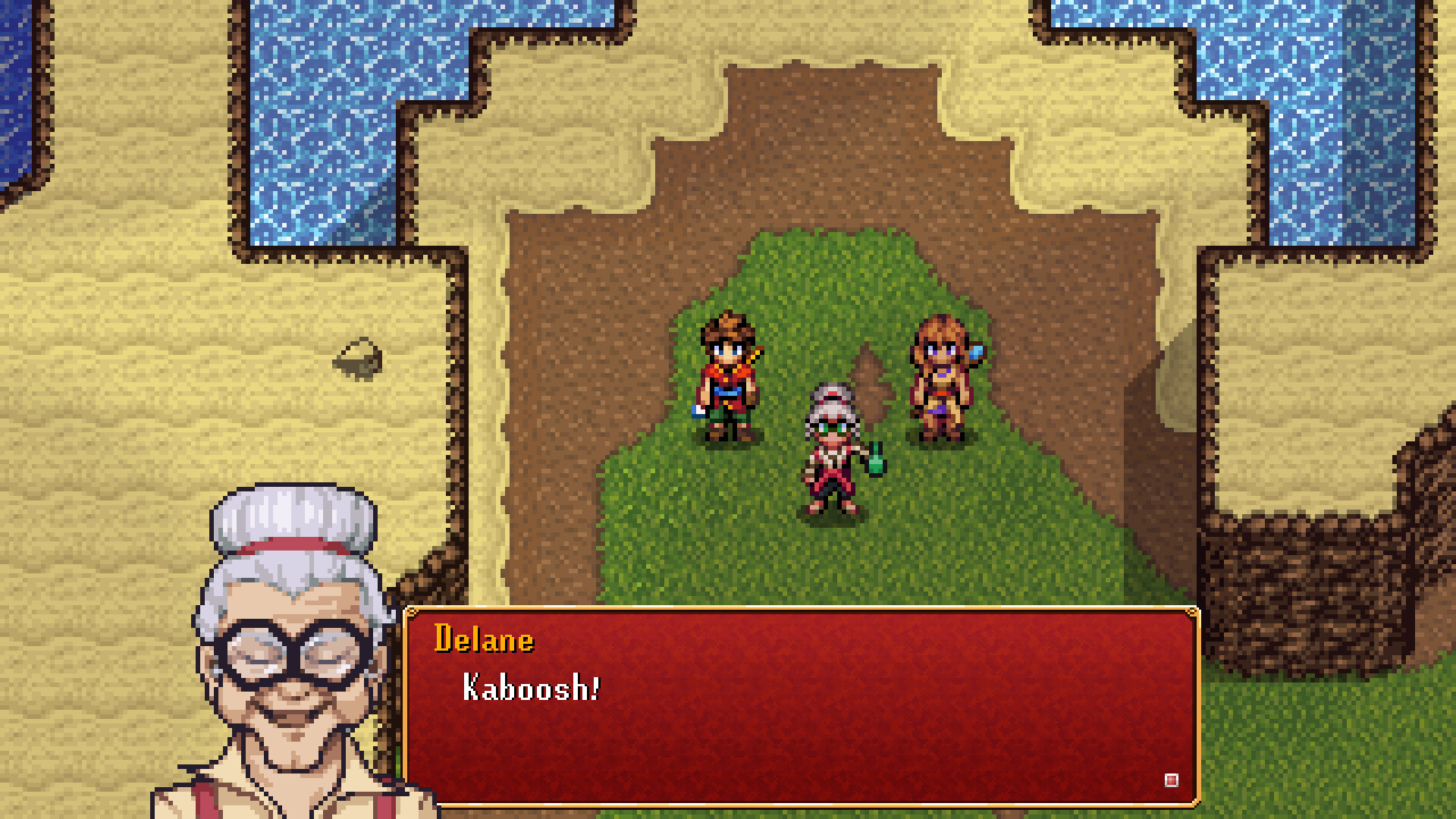
Beyond the mechanics, the game’s narrative and thematic structure are integral to its success. While the core quest is familiar, the developers intentionally subvert classic tropes and infuse the world of Ardemia with a nuanced emotional core. The central theme of loss permeates the character-driven story, challenging the heroes, Rio and Reima, to cope with personal and global sacrifices. This dramatic depth, reminiscent of the writing and pacing in titles like Final Fantasy and even non-gaming influences such as Avatar: The Last Airbender, adds significant weight to the grand adventure. By focusing on the emotional development and moral complexities faced by its charming cast, Shrine’s Legacy successfully elevates its seemingly simple premise, encouraging players to invest in the fate of the world and its inhabitants.
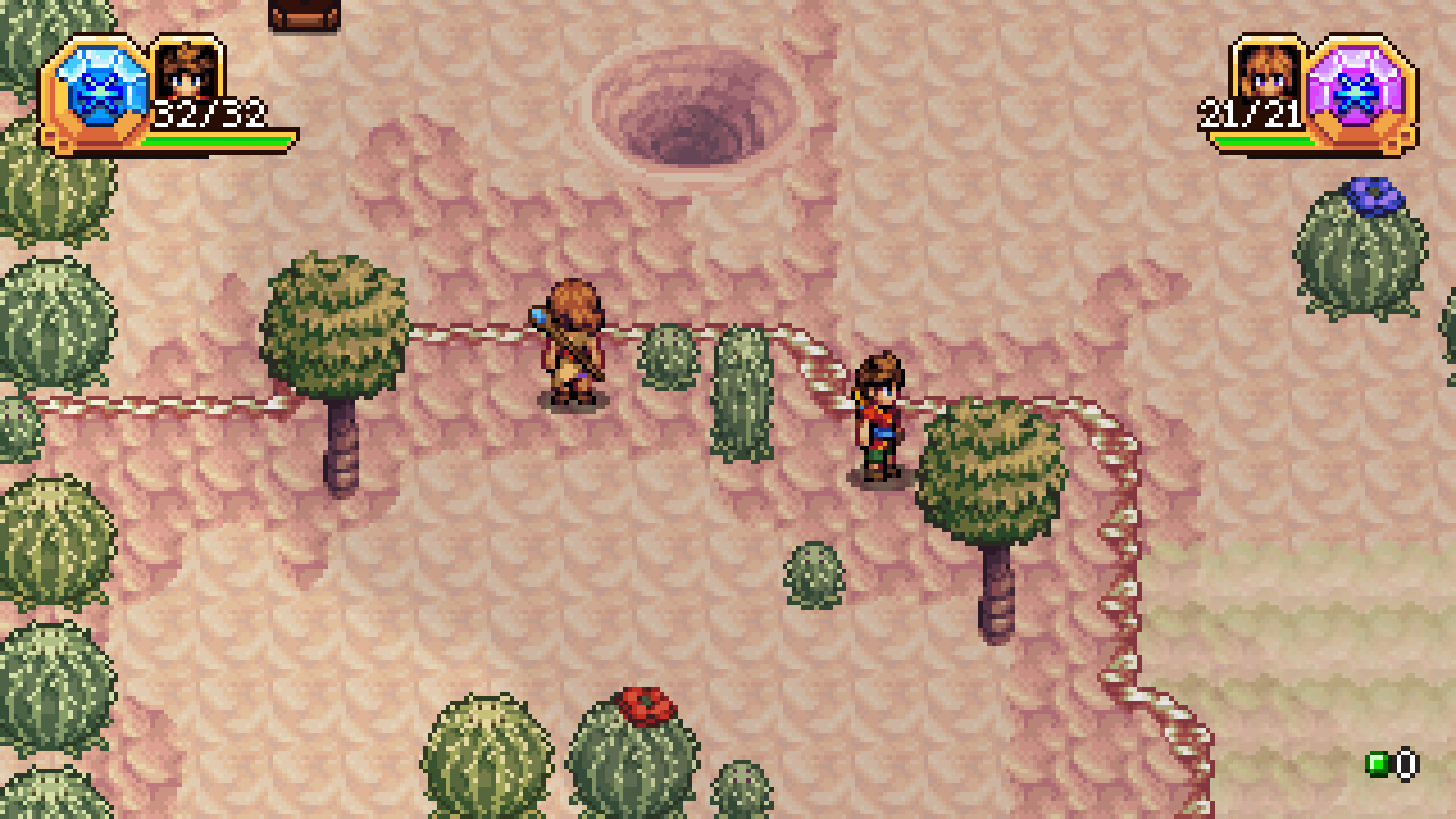
The masterful blend of action combat and environmental puzzling further cements Shrine’s Legacy as a worthy successor to its inspirations. The real-time combat system encourages the tactical use of the protagonists’ unique abilities and the elemental gemstones, which function as both magical spells and tools to interact with the expansive world. Dungeons are not mere corridors for grinding, but instead elaborate spaces requiring Zelda-style puzzle-solving, often demanding clever manipulation of the environment through the various elemental magics. This multi-layered design ensures that progression is not just about stat increases and enemy defeat, but a satisfying mix of intellectual challenge and fluid action, demonstrating a deep understanding of what made the dungeon designs of The Legend of Zelda: A Link to the Past so celebrated.
In conclusion, Shrine’s Legacy stands out in the crowded field of indie retro tributes by achieving a thoughtful balance between honoring its past and injecting modern vitality. It leverages the inherent charm and aesthetic quality of the 16-bit era while pushing the genre forward with polished design and a crucial focus on co-operative play. The dedication of its small development team to crafting a beautiful world, a compelling narrative about loss and resilience, and engaging, multifaceted gameplay proves that the “legacy” it references is not just a style, but an enduring model for what an imaginative and sincere action-RPG can be. Ultimately, the game is a strong demonstration that classic formulas, when approached with respect and inventive modern touches, can feel as vibrant and essential as they did decades ago.