
Developer: Steve Gal
Publisher: Pugware
Genre: Action, RPG,
Price: $9.99(Steam), $14.99(Switch)
Release Date: Mar 4, 2020, April 6th, 2026
Where to buy: Steam, Switch,
The Skautfold series has always been a chameleon, shifting genres from Souls-like side-scrollers to top-down shooters. Skautfold: Moonless Knight, the fifth and concluding entry, acts as a “greatest hits” compilation, merging top-down exploration with the series’ signature tactical grit.

I. Narrative: Cosmic Horror in the Dawn Empire
Set in 1900 in an alternate-history Japan, you play as Gray, the 2nd Knight of Britannia. What begins as a diplomatic mission to the Oda Imperial Palace quickly descends into a Lovecraftian nightmare as the moon literally cracks open. The story excels in environmental storytelling, forcing you to piece together the madness of the “Lunatic” cultists and the dark legacy of Nobunaga. It’s a somber, high-stakes conclusion that rewards long-time fans while remaining approachable for newcomers.
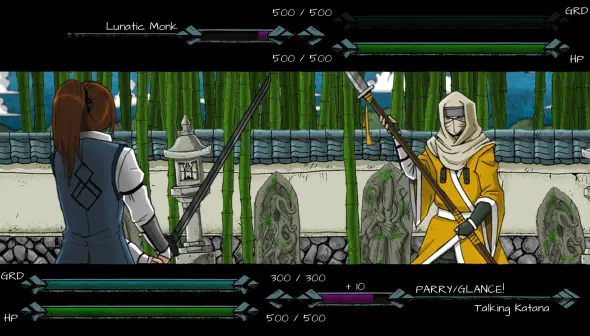
II. Combat: The Dance of the Guard Meter
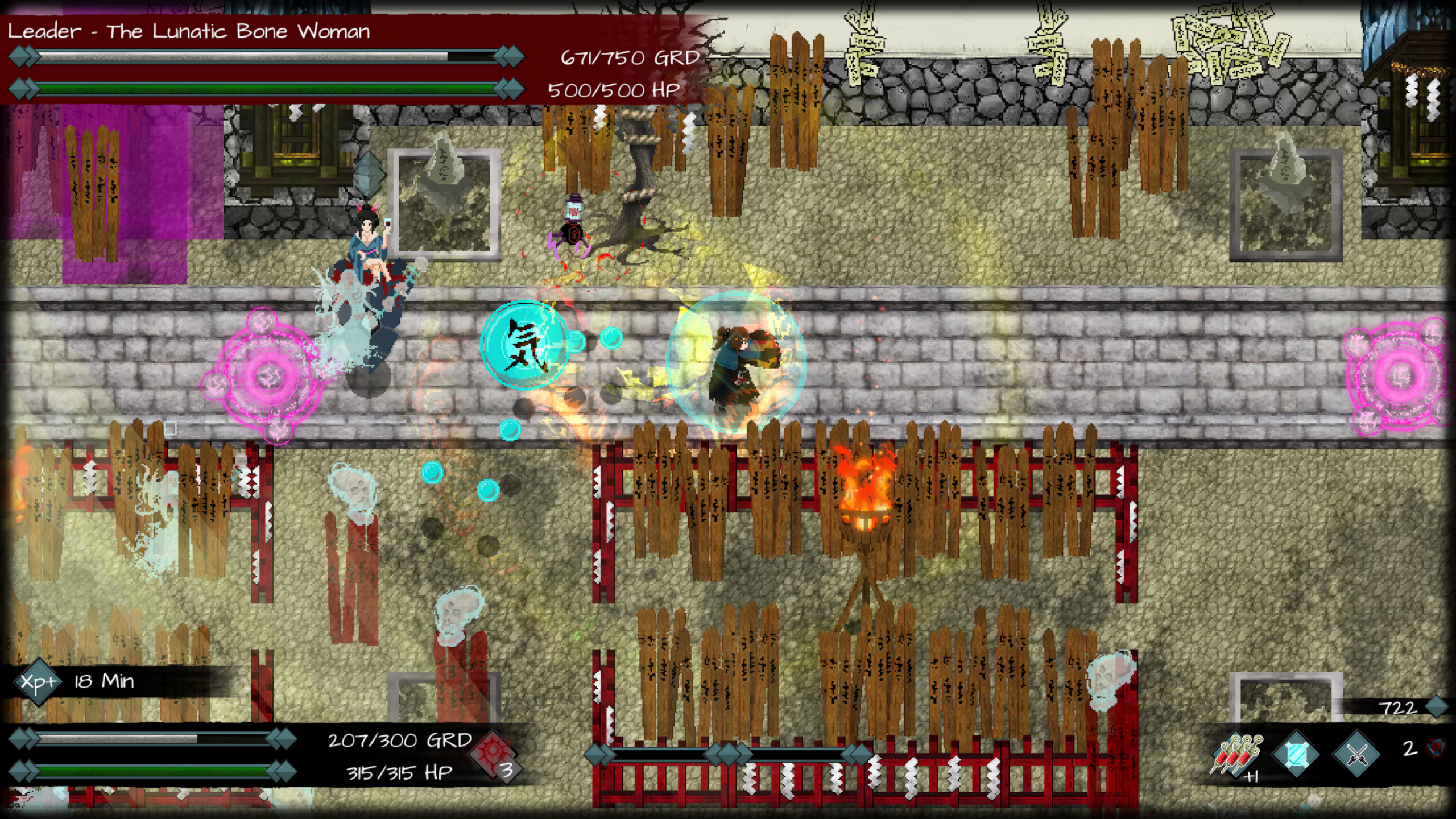
Combat is built around the Guard System, a mechanic that demands more than just button mashing. Every enemy—and you—possesses a guard pool that acts as a buffer before health is touched.
- Feinting: You can cancel almost any animation to dodge or parry, turning combat into a rhythmic “feint and strike” encounter.
- Precision: Perfect blocks and dodges are essential; failing to manage your meter leaves you vulnerable to massive damage.
- Variety: With five primary weapons and nine tactical relics, the game allows for diverse playstyles, from heavy-hitting strikes to agile, blink-and-you-miss-it evasion.
III. Exploration: The Metroidvania Shift
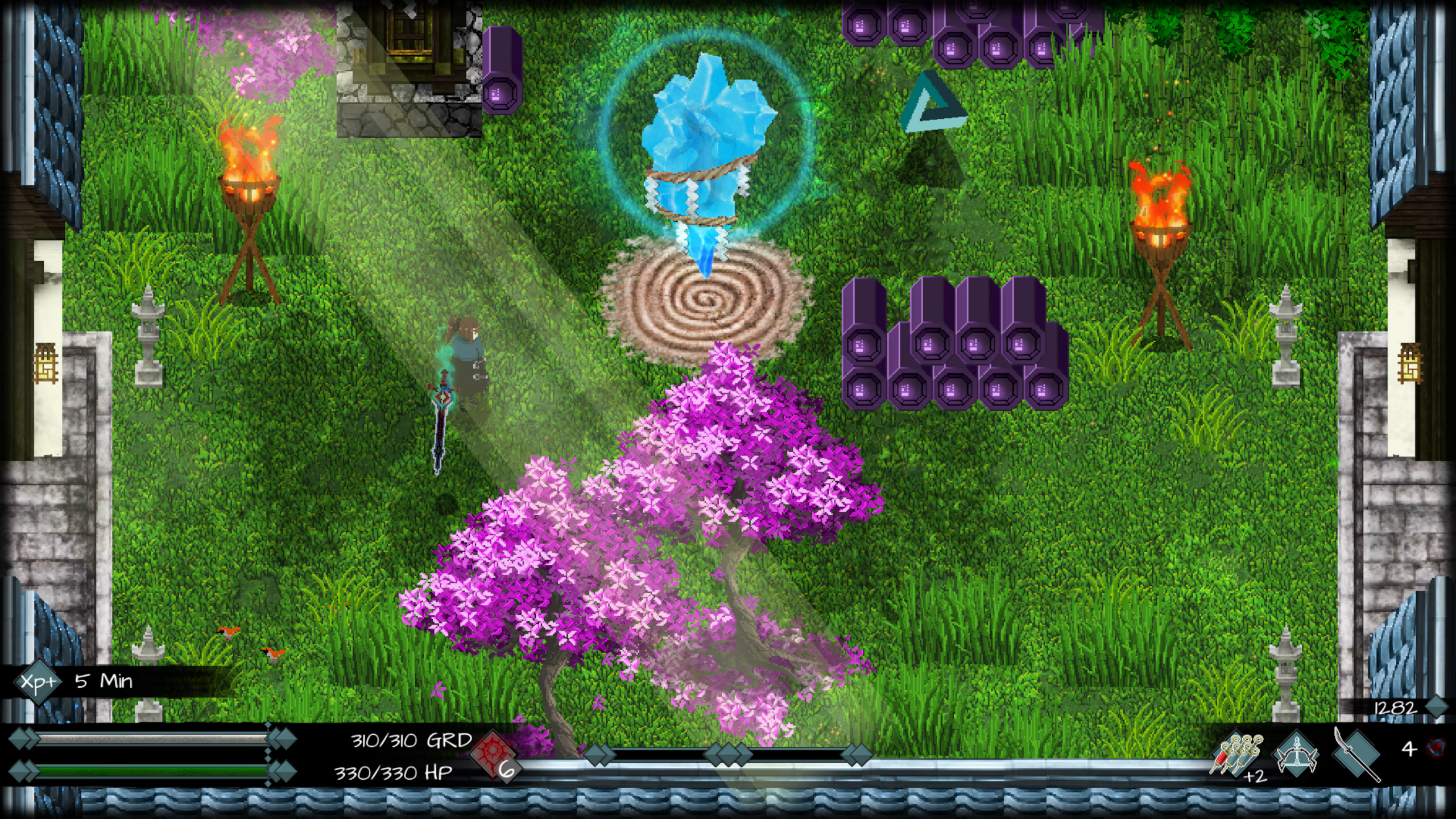
Unlike the more linear previous entries, Moonless Knight embraces a semi-open Metroidvania world. The Oda Imperial Palace is a sprawling, interconnected maze filled with shortcuts and secrets.
- Relic Gating: Progress is tied to finding Relics (like grappling hooks or teleports) that double as combat tools and environmental keys.
- Pacing: While the backtracking can feel slightly tedious due to a map that doesn’t always clearly label “ability-locked” doors, the sense of discovery and the “aha!” moments of finding a shortcut are classic Metroidvania gold.
IV. Progression: Growth Through Action
The game eschews traditional XP for an organic leveling system. Your stats improve based on how you actually play:
- Durability: Increases when you take hits.
- Evasion: Levels up when you successfully dodge.
- Weapon Proficiency: Grows the more you use a specific blade. This creates a natural synergy between the player’s style and Gray’s growth, making every encounter—even the minor ones—feel like meaningful progress toward your build.
V. Atmosphere and Technicals: Gritty, Not Pretty
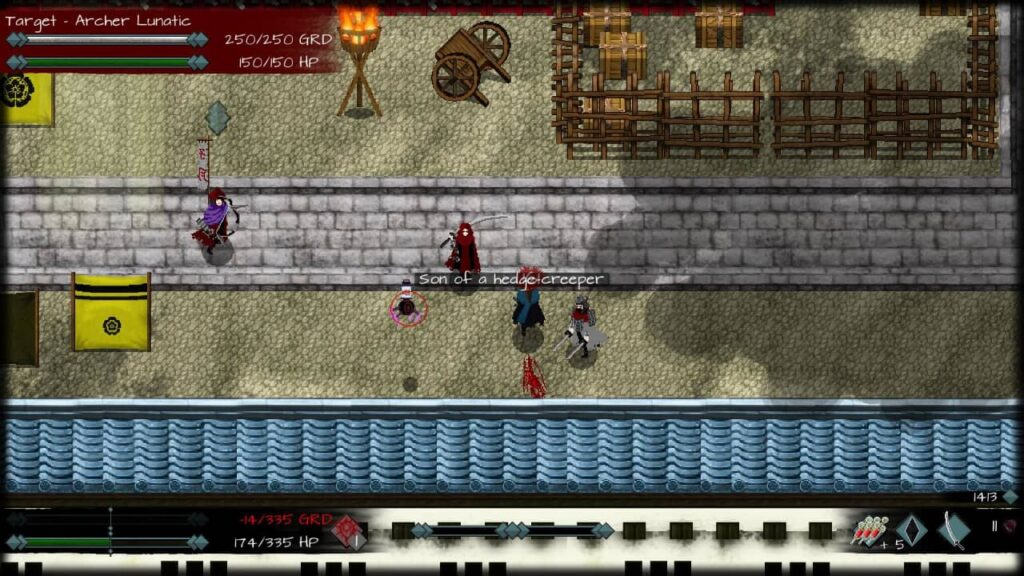
The visual style is a deliberate throwback, utilizing pixel art with modern lighting to create a suffocating, gothic atmosphere.
- Art Style: It leans into “messy” textures that evoke a sense of rot and eldritch corruption, though some players might find the visual clutter a bit of an eyesore.
- Challenge: True to the series, it is difficult. The hitboxes can occasionally feel janky, and the lack of hand-holding is a core philosophy. It doesn’t ask for your attention; it demands your absolute focus.+1
The Verdict: Moonless Knight is a confident, dark, and demanding finale. It successfully bridges the gap between the series’ experimental past and a polished, exploration-heavy future.