| Developer | Meowton Games |
| Publisher | Meowton Games |
| Release Date | Nov 11, 2025 |
| Price | 8.99 USD |
| Genre | Point & Click Minimalist |
| Platform(s) | PC |
| Where to Buy/Wishlist | Steam |
Schematic Void was provided to me for free by the developers for review and streaming purposes. I want to sincerely thank them for the opportunity to play and share the game.
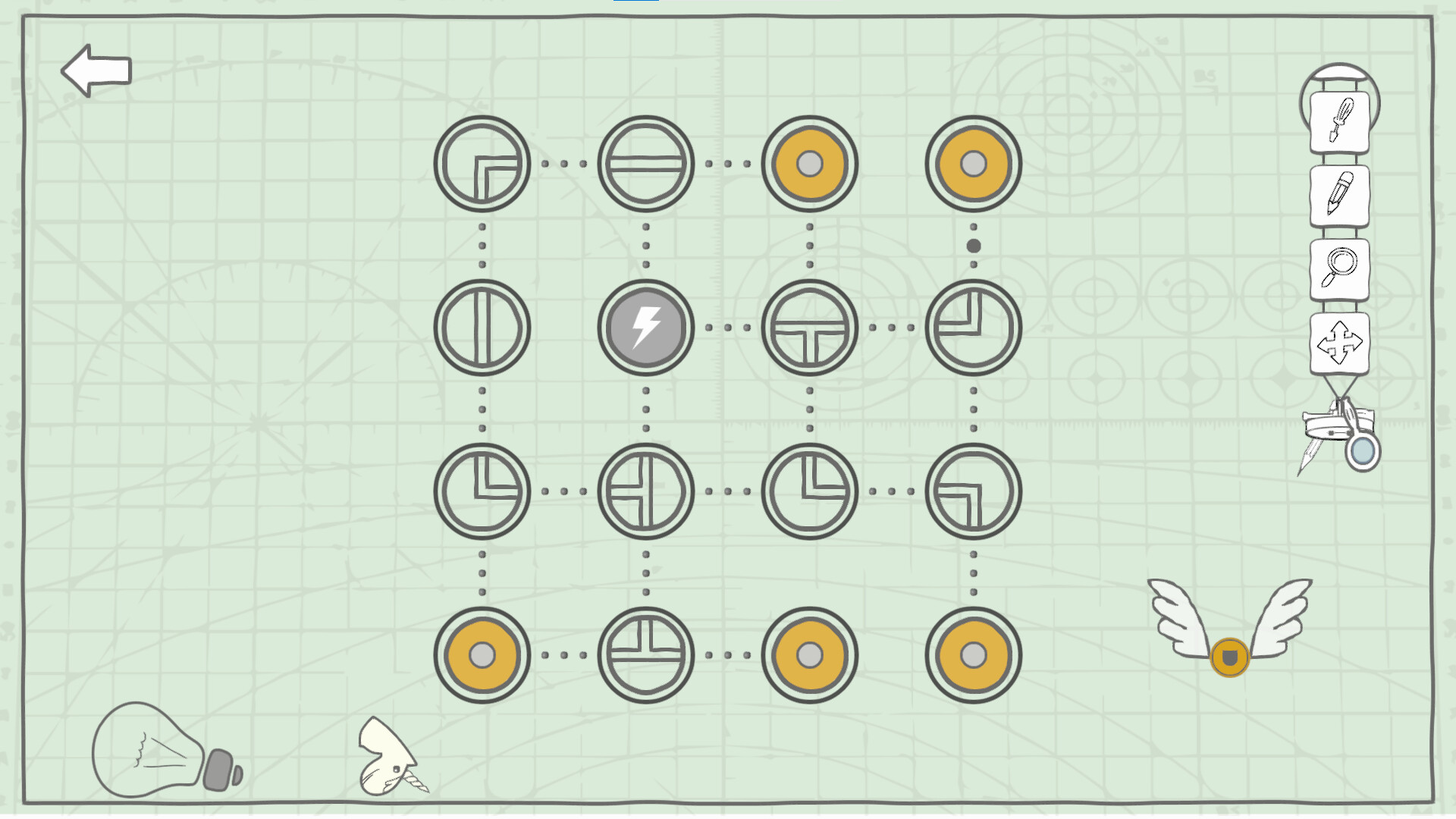
Schematic Void is a minimalist puzzle game centered around switches, lamps, and rotating components, with a strong emphasis on logic and spatial reasoning. While the game is currently in full release, my experience with it felt closer to an early or unfinished build, which shaped much of how the gameplay came across.
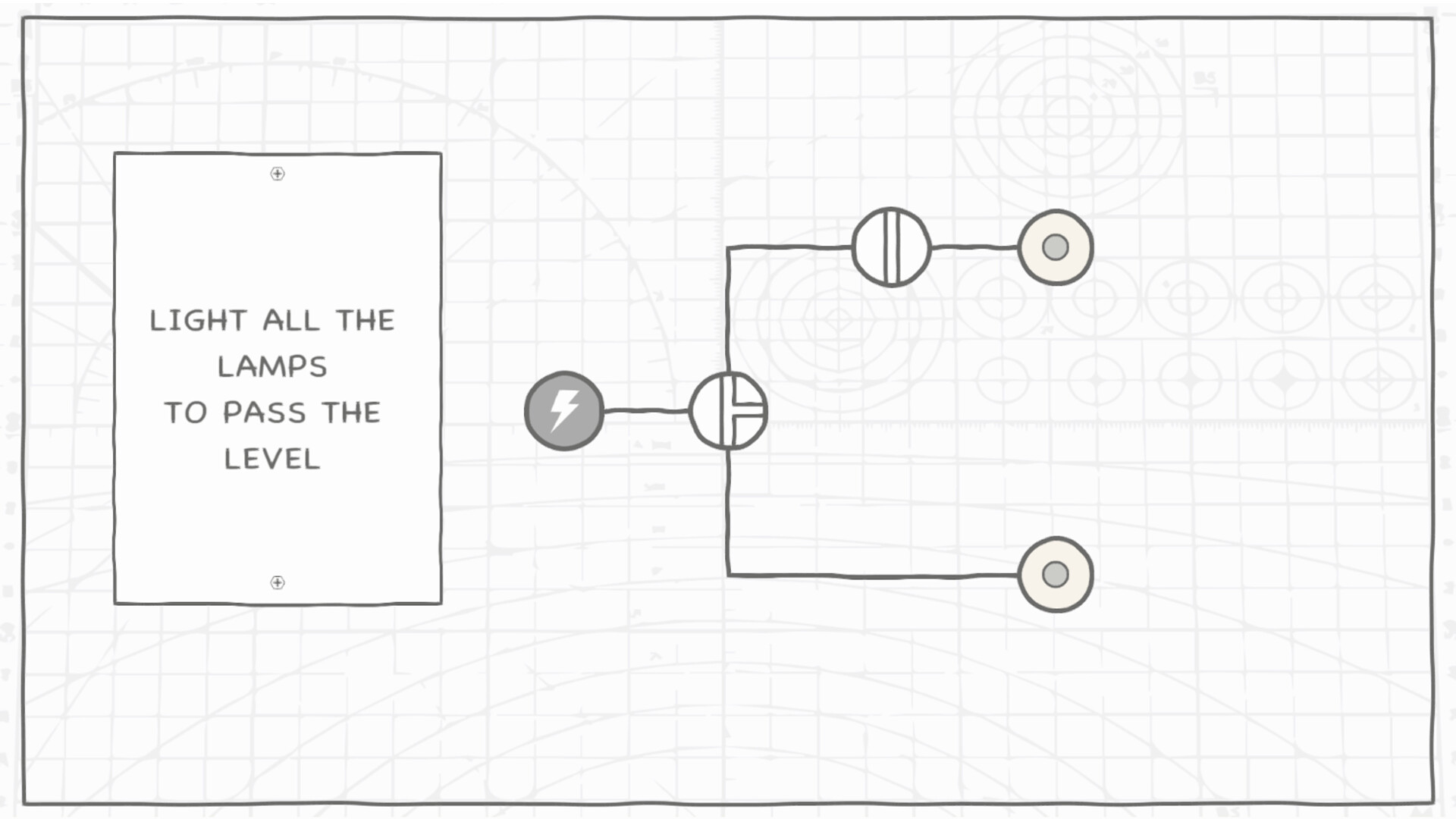
The opening levels are simple and easy to jump into. Players are introduced to basic mechanics like activating switches and lighting lamps, making the early puzzles feel approachable and quick to understand. These early stages do a good job of establishing the game’s core ideas without overwhelming the player. The color customization options are also a nice touch, allowing players to personalize the look and feel of the interface.
As the game progresses, new mechanics—particularly a rotation tool—are introduced and become central to solving puzzles. While the idea behind this system is interesting, the execution feels rough. Controls and instructions aren’t always clear, and switching between tools or identifying what can be interacted with often takes trial and error. Instead of feeling challenged by the puzzles themselves, I often found myself trying to understand the interface and intended interactions.
Later puzzles amplify this issue. It becomes difficult to tell whether a solution is being missed or whether certain mechanics simply aren’t working as intended. The in-game hints exist but tend to be vague, offering limited guidance when players get stuck. Because of this, the experience can feel confusing rather than satisfying, especially in sections where progression depends heavily on rotating or inserting specific pieces.
Despite these frustrations, Schematic Void still shows potential. The core concept is solid, and there’s a clear vision behind the puzzle design. However, given that the game is in full release, the lack of polish and clarity stood out more than expected. With clearer tutorials, more intuitive controls, and additional refinement, this could become a much stronger and more cohesive puzzle experience.
For now, Schematic Void is best suited for players who enjoy experimental puzzle games and don’t mind working through unclear mechanics. It’s an interesting idea that feels like it needs a bit more time and polish to fully come together. If you would like to play Schematic Void for yourself, you can purchase it on Steam for 8.99 USD on PC.