Release Date: November 5, 2025
Developer: Brain Seal Ltd
Genre: Turn-Based Tactical RPG / Dungeon Crawler
Platform: PC, PS4/PS5, Xbox One/Series X|S, Switch
Introduction
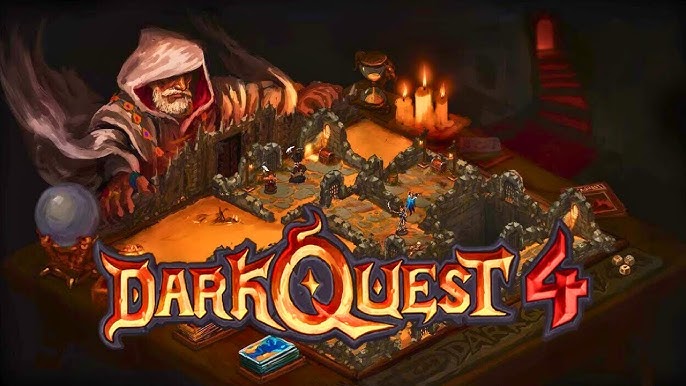
In an era where the indie dungeon crawler market is saturated with procedural generation and roguelite mechanics, Dark Quest 4 makes a bold and refreshing pivot: it looks backward. Developed by Brain Seal Ltd, this fourth installment in the series abandons the “run-die-repeat” loops of its predecessor to embrace the structured, handcrafted spirit of 1990s board games. Drawing explicit inspiration from classics like HeroQuest, Dark Quest 4 offers a digital experience that feels less like a video game and more like a Friday night tabletop session, complete with a voiced Dungeon Master and a physics-based gold pouch. While it suffers from minor interface clunkiness, the game stands as a triumphant love letter to the golden age of dungeon crawling.
The Digital Board Game Aesthetic
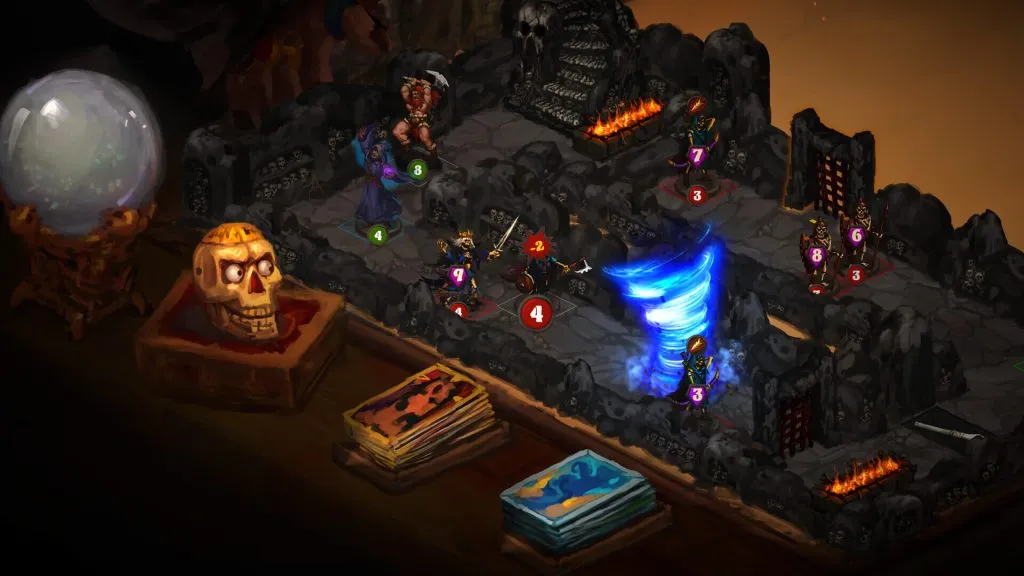
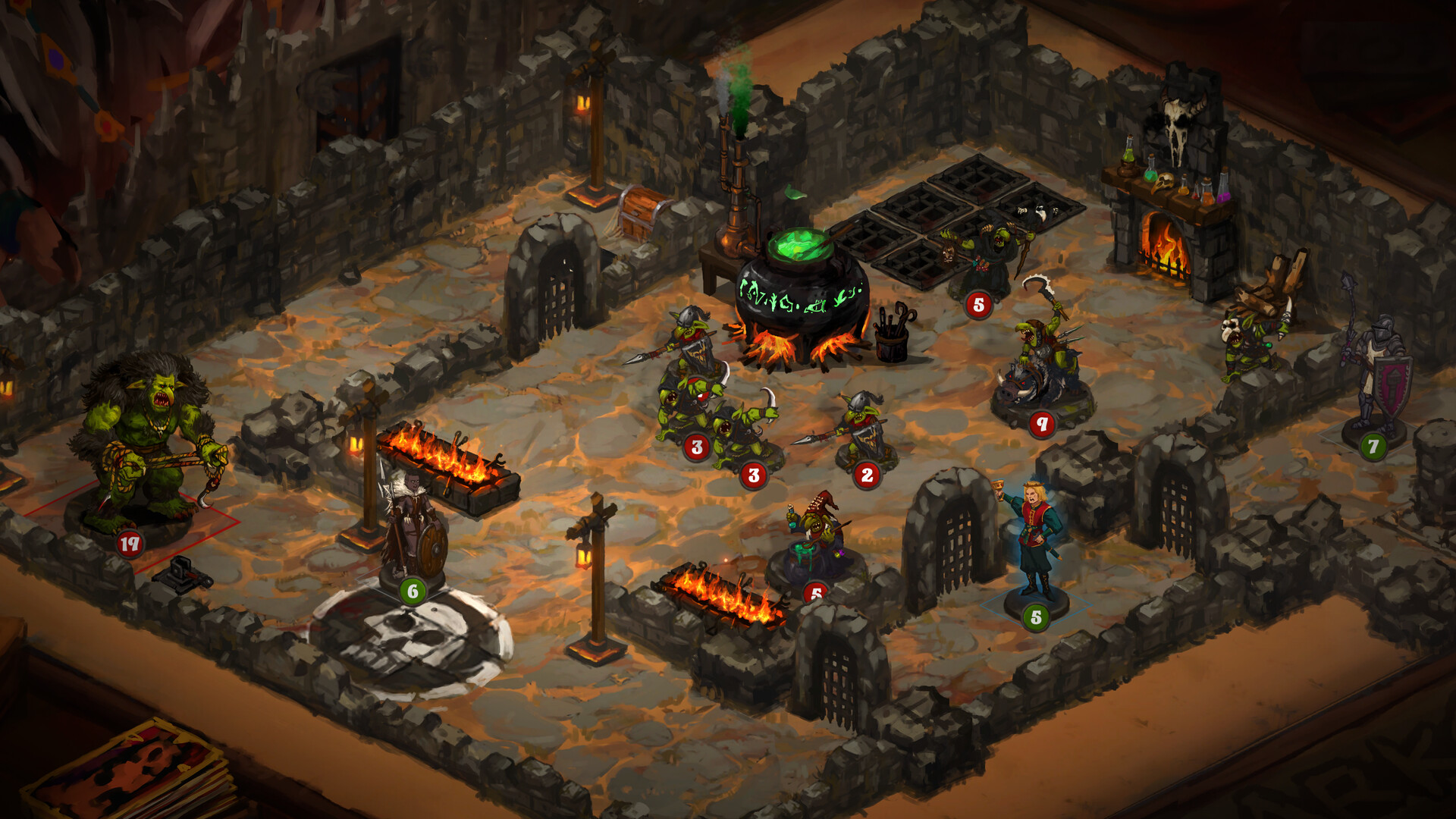
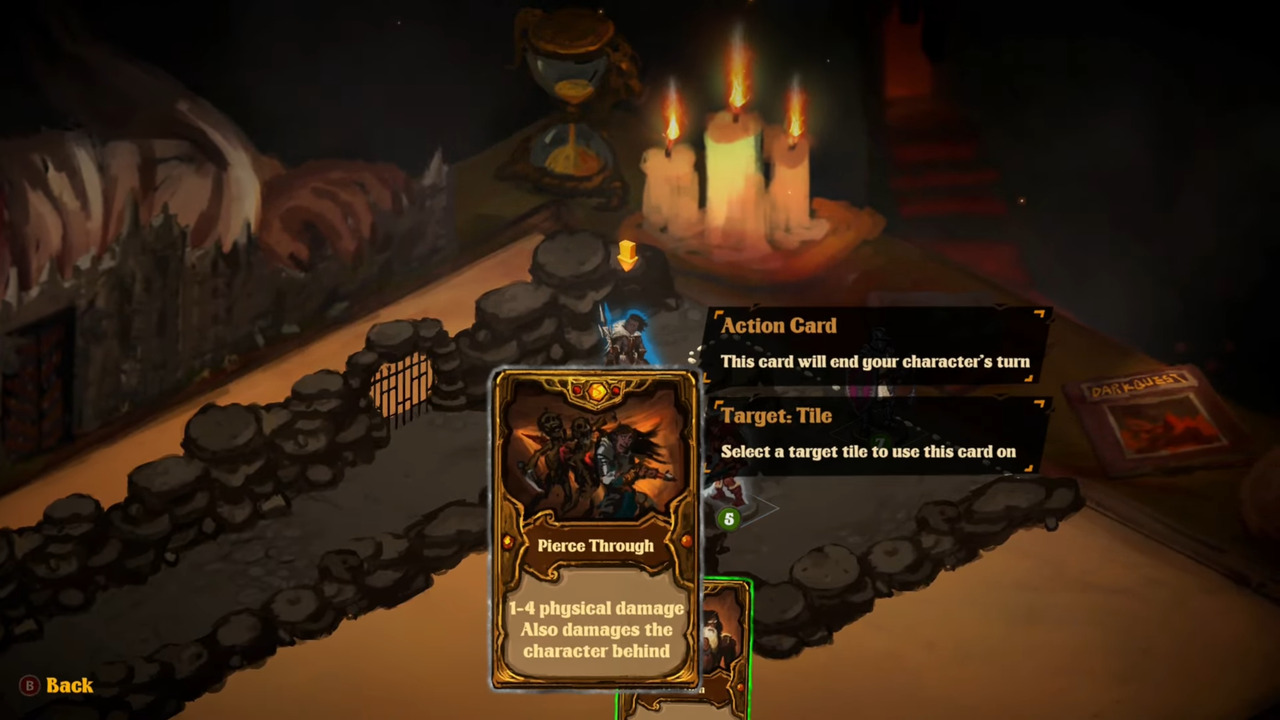
The first thing that strikes the player is the game’s commitment to its tabletop presentation. Unlike many RPGs that try to hide their underlying math, Dark Quest 4 celebrates it. The aesthetic is warm and “cozy,” utilizing a candle-lit isometric view that mimics a physical board. Heroes and monsters look like painted miniatures, moving across grid-based tiles with a satisfying weight.
This atmosphere is bolstered by the audio design. The inclusion of a fully voiced Dungeon Master (the “Sorcerer”) adds a layer of nostalgic immersion, narrating the party’s failures and successes with a mix of wit and menace. Small touches, such as the physics-based gold coins that spill onto the screen—forcing the player to manually collect them—might seem tedious on paper, but in practice, they reinforce the tactile sensation of playing a physical game.
Mechanics: Cards, Fatigue, and Strategy
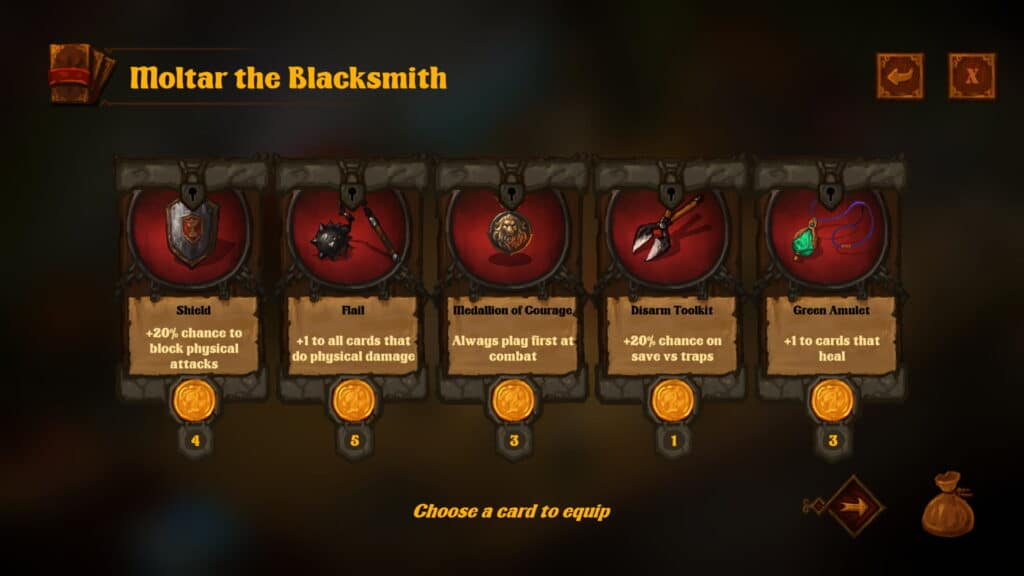
Gameplay in Dark Quest 4 revolves around a party of three heroes selected from a roster of roughly ten unlockable characters. The combat is strictly turn-based, utilizing a card system for abilities and actions. Rather than drowning the player in complex skill trees, the game uses an equipment and card deck system that allows for flexible builds. A Wizard might focus on fire magic in one dungeon and crowd control in the next, depending on the “hand” you build for them.
A standout feature is the Fatigue System. After a quest, heroes become tired and suffer health penalties if sent back out immediately. This forces players to rotate their roster, experimenting with different party compositions—like swapping out the tanky Barbarian for a Lancer or a Dwarf. This mechanic solves a common RPG problem where players find a “perfect team” and never deviate; here, adaptation is required for survival.
Campaign vs. Procedural Generation
Perhaps the most significant departure from Dark Quest 3 is the rejection of procedural generation in the main campaign. Dark Quest 4 features over 30 handcrafted quests. This design choice allows for tighter pacing and more puzzle-like encounter design. Enemies are not placed at random; they are positioned to ambush, flank, and protect specific objectives. This shift creates a sense of authorial intent often missing in modern roguelites, ensuring that every trap and enemy placement serves a specific tactical purpose.
Community and Replayability
While the campaign offers a solid 12-15 hour experience, the game’s longevity lies in its Creator Mode and Multiplayer features. The built-in editor is surprisingly robust, allowing players to design their own dungeons, script quests, and share them via Steam Workshop. This effectively turns the game into a platform for community storytelling, much like the physical board games it emulates. Additionally, the inclusion of up to 3-player co-op (both local and online) solidifies its identity as a social experience, perfectly replicating the camaraderie of tabletop gaming.
The Rough Edges
Despite its charm, Dark Quest 4 is not without flaws. The user interface (UI), particularly on consoles, can feel clumsy. Selecting specific tiles or managing inventory often requires more clicks or button presses than necessary, betraying the game’s PC-centric origins. Furthermore, the in-game economy tends to lose balance in the latter half of the campaign; players often find themselves swimming in gold with little left to purchase, diminishing the reward loop of looting dungeons in the late game. Visually, while the fixed isometric camera is authentic to the genre, it can occasionally obscure vital information, such as switches or doors hidden behind tall wall assets.
Conclusion
Dark Quest 4 is a confident step forward for the franchise by taking a step back in time. It successfully captures the “lightning in a bottle” feeling of playing HeroQuest or Warhammer Quest without the hassle of setting up a physical board. It is accessible enough for newcomers but holds enough tactical depth for veterans. For those exhausted by the endless grind of modern roguelites, Dark Quest 4 offers a curated, nostalgic, and genuinely fun adventure that proves there is still plenty of life in the classic dungeon crawler formula.