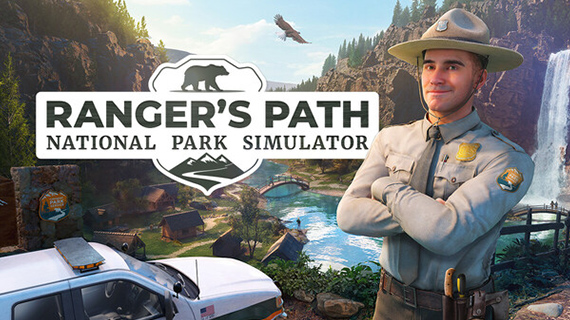
Developer: To-go Games
Publisher: Astragon Entertainment
Genre: Simulation
Price: $19.99
Release Date: March 10th, 2026
Where to buy: Steam
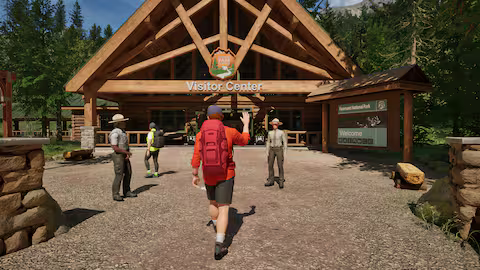
Launched into Early Access on March 10, 2026, Ranger’s Path: National Park Simulator offers a surprisingly meditative take on environmental stewardship. Developed by To-Go Games, this title eschews the high-stakes survival tropes of the genre in favor of a “cozy” simulation experience. Set within the fictional, Pacific Northwest-inspired Faremont National Park, players step into the sturdy boots of a park ranger tasked with maintaining the delicate balance between nature and tourism. While it captures the quiet dignity of the profession, the game currently straddles the line between a tranquil retreat and a repetitive “to-do list” in the woods.
The core gameplay loop centers on daily maintenance and visitor interaction, delivered through a mission-based structure. Players spend their shifts repairing trail markers, clearing fallen debris with chainsaws, and utilizing a litter-picker to combat the mess left behind by careless campers. These tasks are often handled via simple yet tactile minigames—such as mimicking sawing motions or hammering at specific prompts—which provide a satisfying sense of physical labor. Beyond janitorial duties, rangers must enforce park regulations by checking camping permits and responding to radio callouts for emergencies, like guiding lost hikers or managing wildlife encounters.
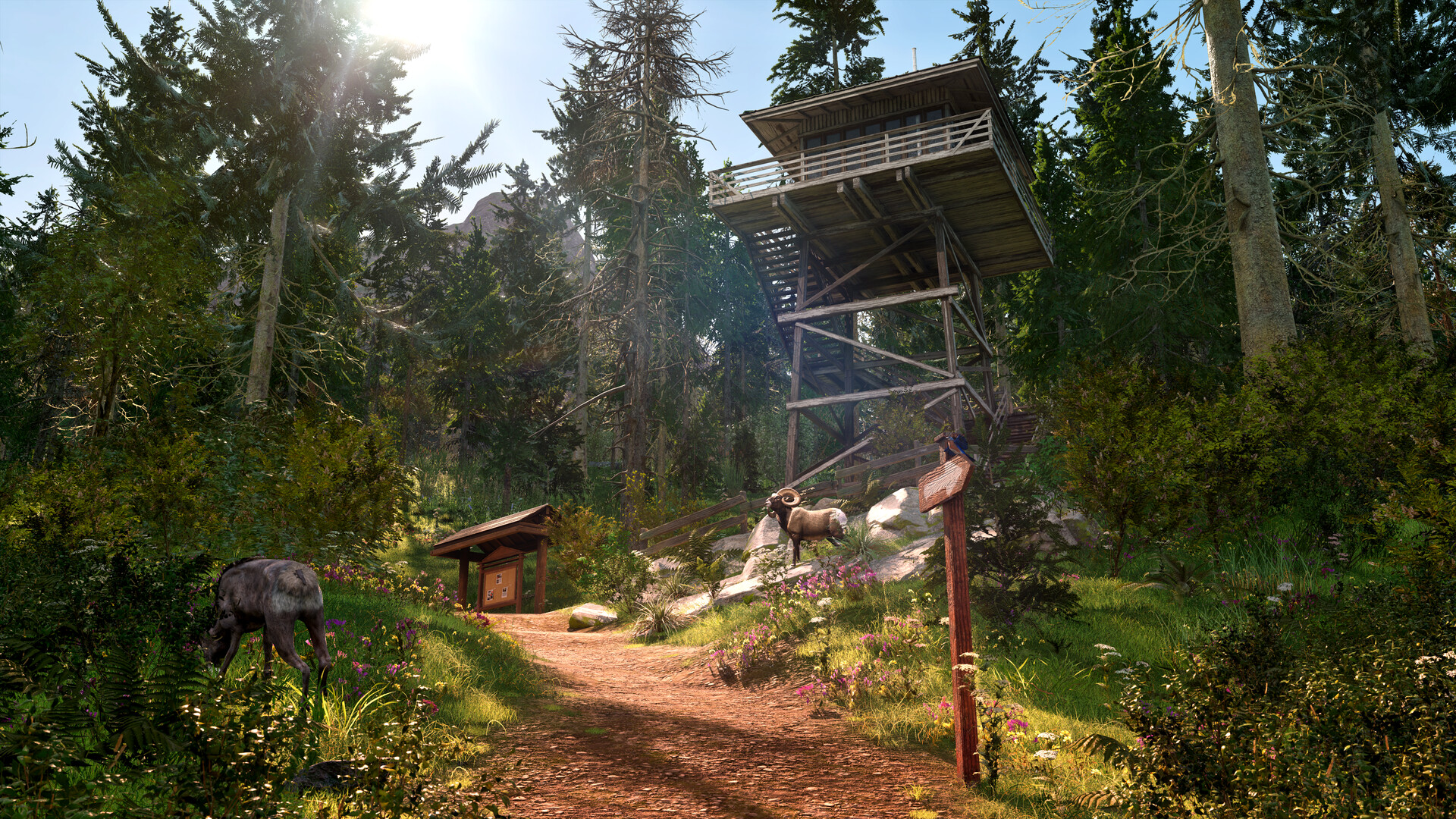
Exploration and wildlife documentation serve as the game’s primary “meta-game,” adding necessary depth to the routine. Equipped with a camera and a “Ranger Lexicon,” players are encouraged to photograph various animal species, including American Black Bears, Gray Owls, and Mule Deer. Capturing specific behaviors, such as eating or resting, unlocks entries and contributes to a taxidermy museum in the Visitor Center. This mechanic effectively forces the player to slow down and observe the environment, transforming the park from a mere backdrop for chores into a living, breathing ecosystem that rewards patience and curiosity.
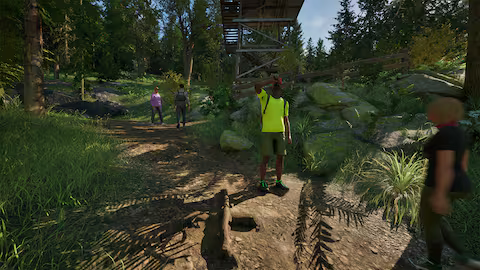
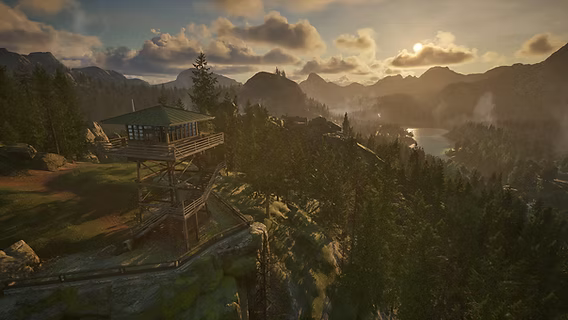
Visually and aurally, Ranger’s Path excels at creating an immersive, tranquil atmosphere. The dynamic weather system and day-night cycle are standout features; sunlight realistically filters through the canopy, and rain pools on the screen during downpours, heightening the sensory experience. The sound design—filled with the rustle of leaves, chirping birds, and the aggressive mechanical hum of ranger tools—anchors the player in the wilderness. However, this beauty is occasionally marred by Early Access “jank,” including awkward character animations and a lack of a jump button, which can make navigating small environmental obstacles feel unnecessarily clunky.
Ultimately, Ranger’s Path: National Park Simulator is a promising entry for fans of low-pressure simulators like PowerWash Simulator or The Long Dark’s more peaceful moments. While the current build can feel repetitive after a few hours and lacks “after-hours” activities for the protagonist, its dedication to highlighting the thankless work of park rangers is commendable. As the developers roll out planned updates, including a park rating system and a flora survey mechanic, the game has the potential to grow into a definitive simulation of the great outdoors. For now, it is a beautiful, if slightly unpolished, invitation to protect the virtual wild.