
Developer: DIE SOFT
Publisher: DIE SOFT
Genre: Metroidvania, 2D Platformer, Exploration,
Price: $19.99
Release Date: Mar 31, 2026
Where to buy: Steam
In order to cover the latest release, Little Nemo and the Guardians of Slumberland, I wanted to dive into the original NES release as a bonus for this article.
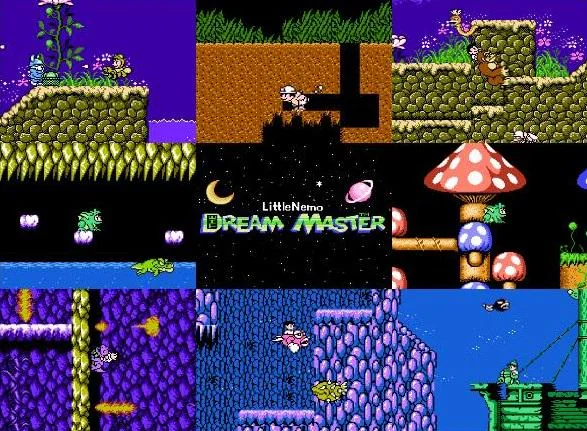
The transition from page to screen, and finally to the Nintendo Entertainment System, gave birth to Little Nemo: The Dream Master. Released by Capcom in 1990, the game served as a tie-in to the animated film Little Nemo: Adventures in Slumberland. While many licensed games of that era felt like rushed cash-ins, Nemo stood out by capturing the whimsical, yet often unsettling, atmosphere of Winsor McCay’s original comic strips. It wasn’t just a platformer; it was a surrealist exploration of a child’s subconscious, blending tight gameplay with a vivid, dreamlike aesthetic that pushed the 8-bit hardware to its limits.
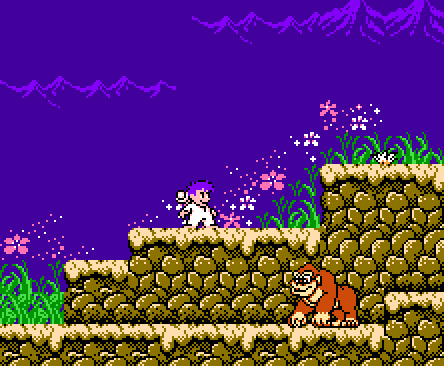
The core narrative follows Nemo, a young boy invited to Slumberland to be the playmate of Princess Camille. However, the story takes a dark turn as the Nightmare King kidnaps King Morpheus, forcing Nemo to travel through various “dream worlds” to rescue him. This narrative structure allows for a diverse array of environments, from the “Mushroom Forest” to “Topsy-Turvy” houses. The plot mirrors the universal childhood experience of dreams shifting from wonder to anxiety, providing a cohesive reason for the increasingly difficult and bizarre challenges Nemo faces throughout his journey.
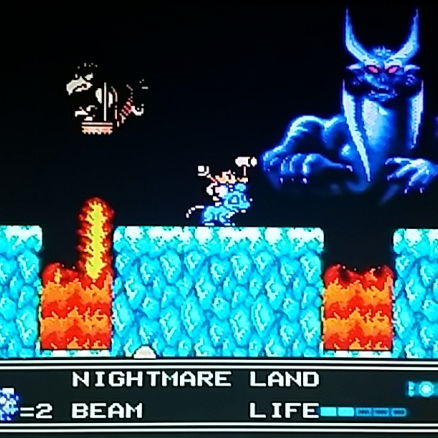
In terms of gameplay mechanics, Little Nemo famously ditched traditional combat for a “creature-swapping” system. Nemo cannot defeat enemies on his own; instead, he tosses candy to specific animals to put them to sleep, allowing him to “wear” them. Each creature—whether it be a frog that jumps high, a mole that digs, or a lizard that scales walls—is essential for navigating the level’s verticality and finding the hidden keys required to progress. This mechanic turned the game into a series of environmental puzzles, requiring players to think critically about which “friend” was necessary to overcome specific obstacles.
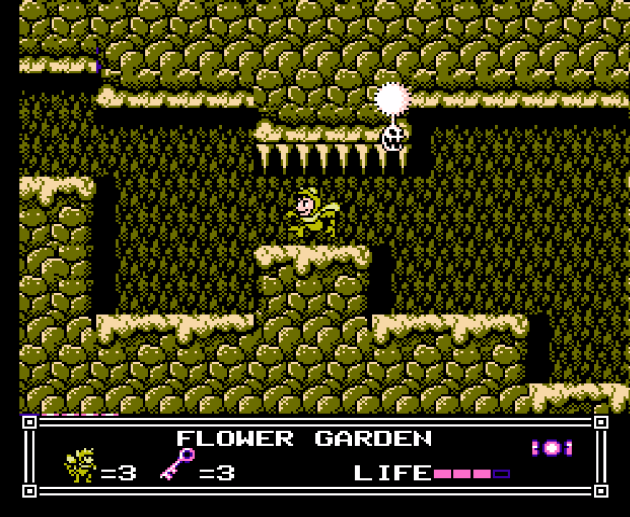
Visually and aurally, the game is a masterclass in NES production. Capcom utilized a bright, pastel palette that differentiated it from the grittier action titles of the time, perfectly mimicking the look of the animated film. The soundtrack, composed by Junko Tamiya, is equally iconic, featuring whimsical melodies that transition into haunting, atmospheric tracks as the player approaches the Nightmare Shell. These “overall details” created an immersive experience that felt significantly more polished than its contemporaries, cementing its status as a gem in the Capcom library.
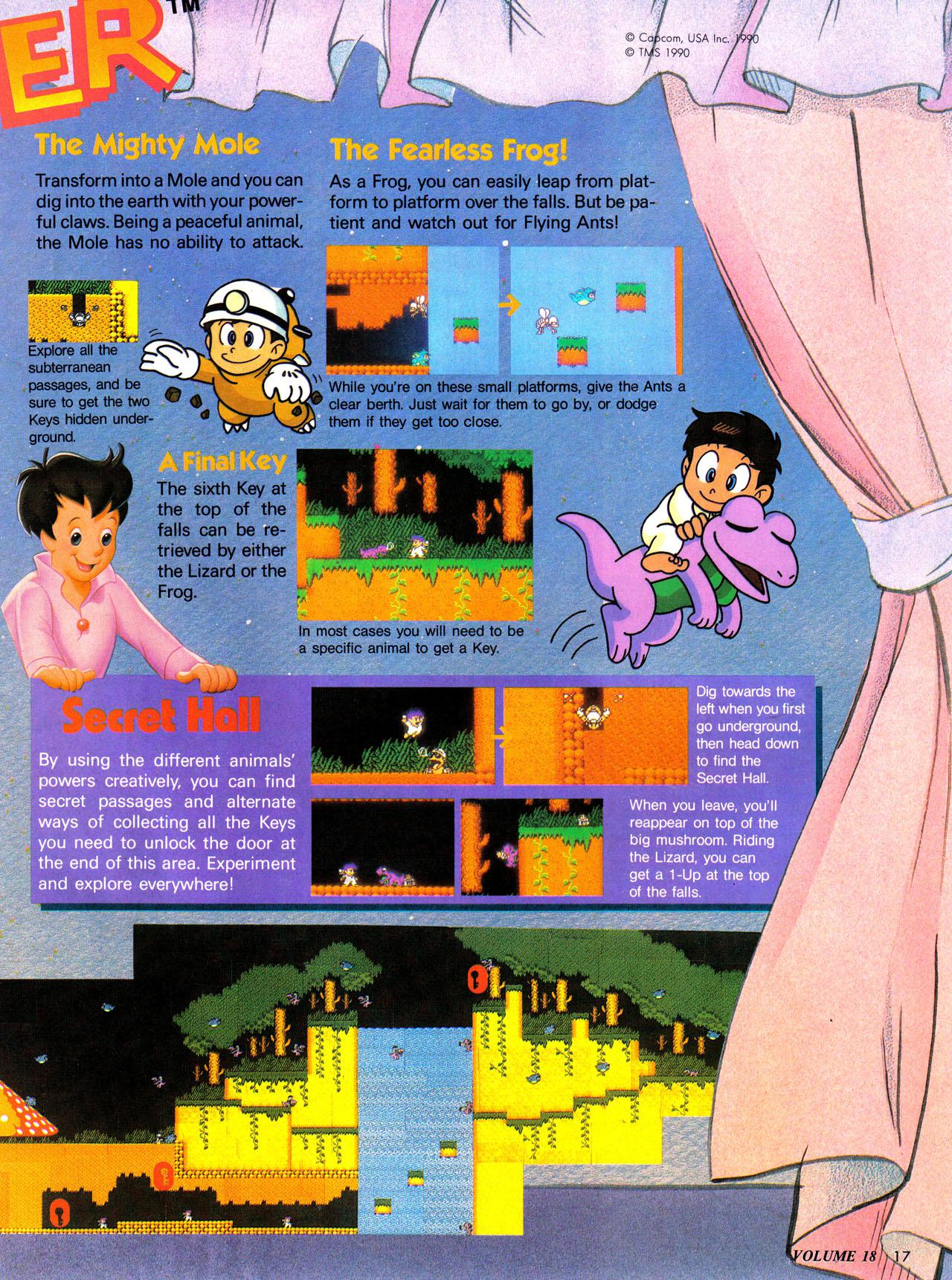
Little Nemo: The Dream Master remains a significant piece of gaming history because it captured the essence of “The Dream” better than almost any other title of its era. It balanced the charm of Slumberland with the genuine dread of the Nightmare King’s domain. By combining innovative animal-transformation mechanics with high-stakes platforming, it provided a challenging but rewarding experience. For those who played it, Nemo isn’t just a character from a comic or a movie; he is a symbol of the boundless, sometimes frightening, imagination that defines childhood.
Little Nemo and the Guardians of Slumberland, developed by DIE SOFT and released in early 2026, is a modern reimagining of Winsor McCay’s iconic 1905 comic strip. While many older gamers fondly remember the 1990 Capcom title, this new adventure shifts the formula into a hand-animated “Metroidvania.” By blending the whimsical, surrealist art style of the early 20th century with non-linear exploration, the game serves as both a nostalgic tribute to the NES era and a fresh entry in the action-adventure genre.
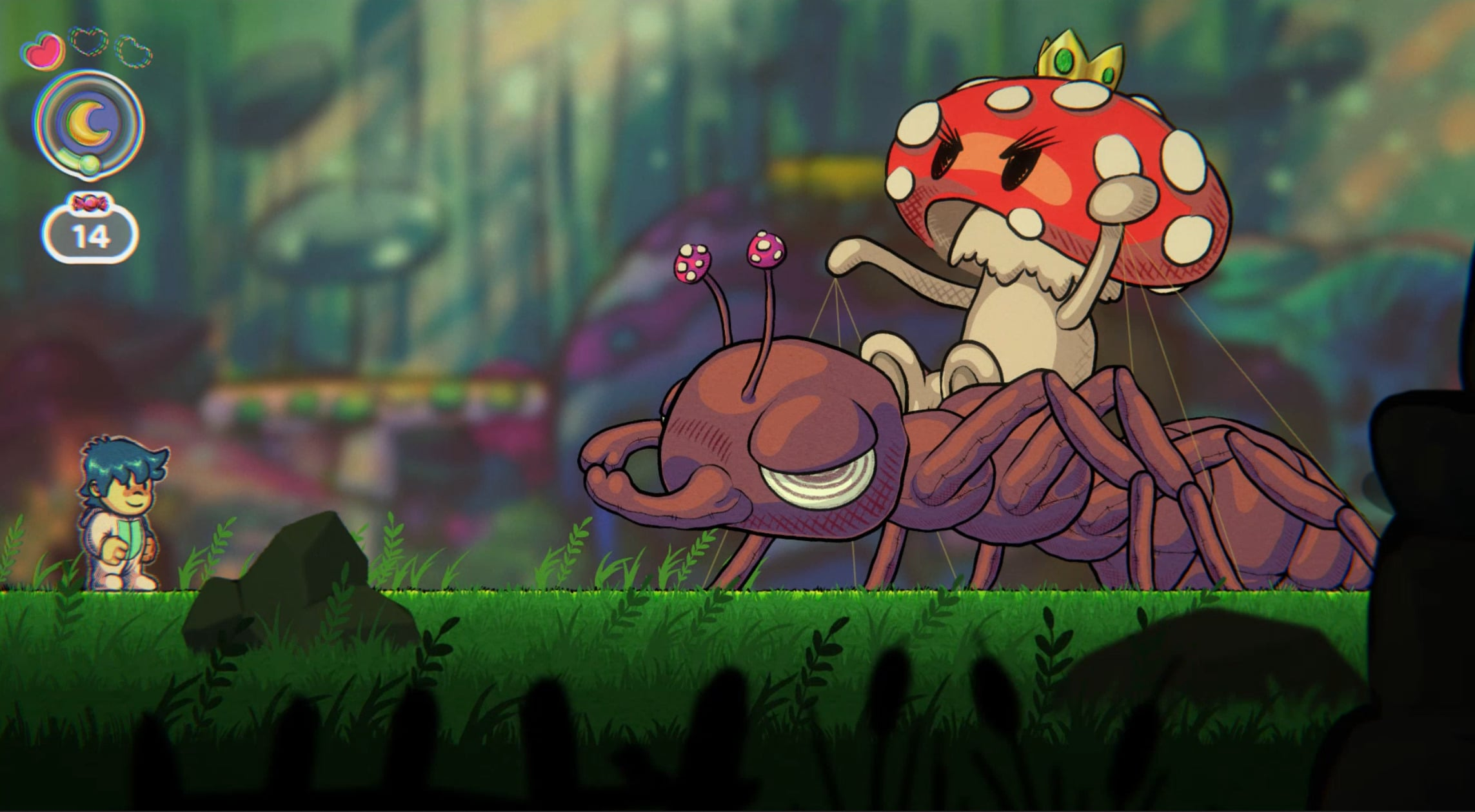
The story follows Nemo as he journeys through a vast, interconnected dream world. Invited to Slumberland to find the “Guardians,” Nemo must navigate thematic domains—ranging from mushroom forests to treacherous mines—to uncover the secrets of the dream realm. A unique narrative hook is the “Wake Up” mechanic: if Nemo takes too much damage, he awakens in his real-world bedroom. This transition isn’t just a game-over screen; it’s a functional hub where he can change his pajamas and “Little Buddy” pets before falling back asleep to resume his quest, bridging the gap between his waking life and the fantasy of Slumberland.
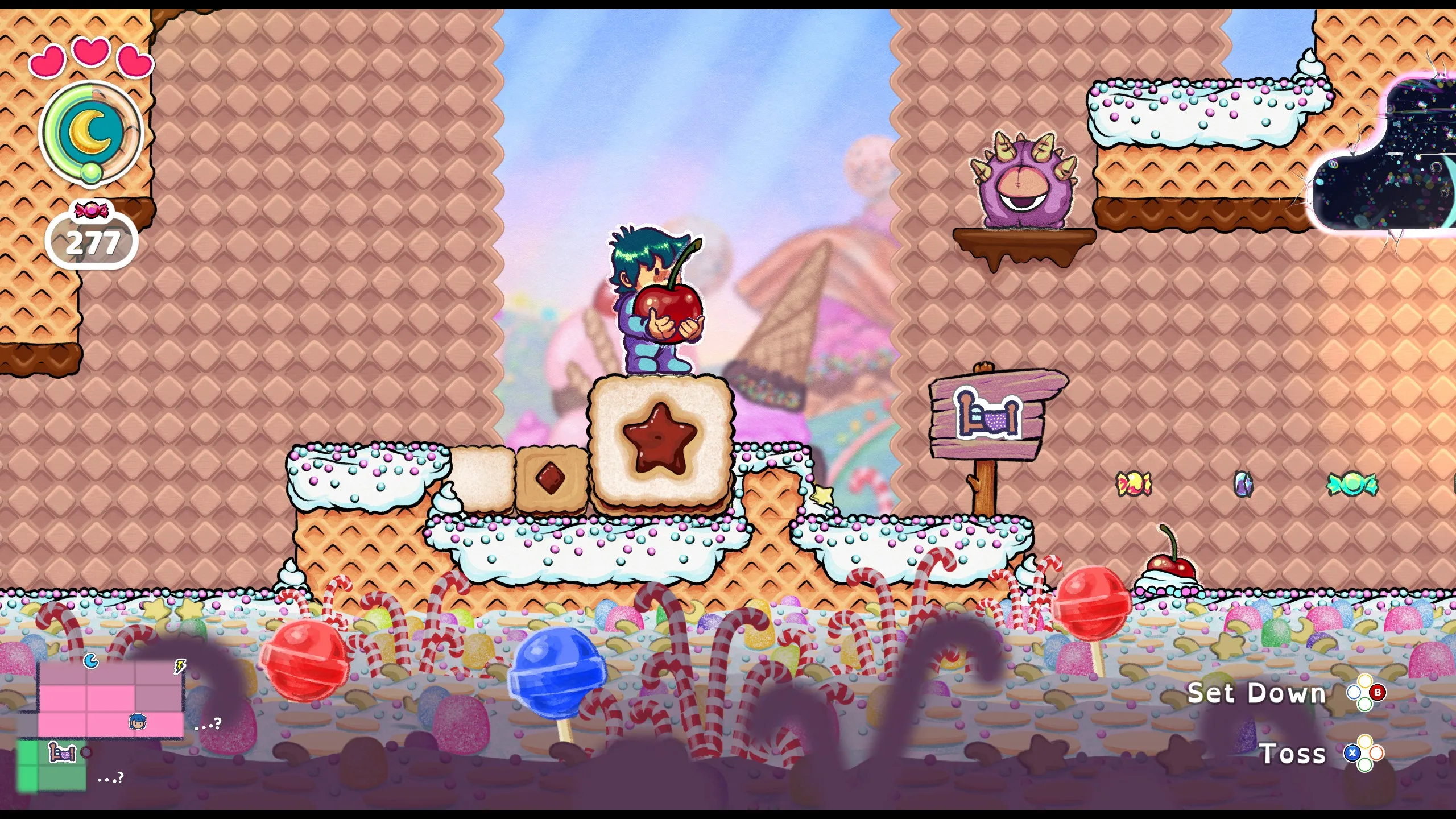
In terms of gameplay, Guardians of Slumberland replaces traditional weapons with a creative arsenal of toys and abilities. Nemo utilizes items like a Yo-Yo for combat, a Pogo stick for traversal, and a Bubble Wand to navigate hazards. As a Metroidvania, the world is gated by these abilities, requiring players to backtrack to previous areas once new toys are found. The game also features a specialized “Pajama” system, where different outfits empower Nemo’s skills in various ways, such as giving him higher jumps with the Frog PJs or gliding capabilities with the Bat PJs.
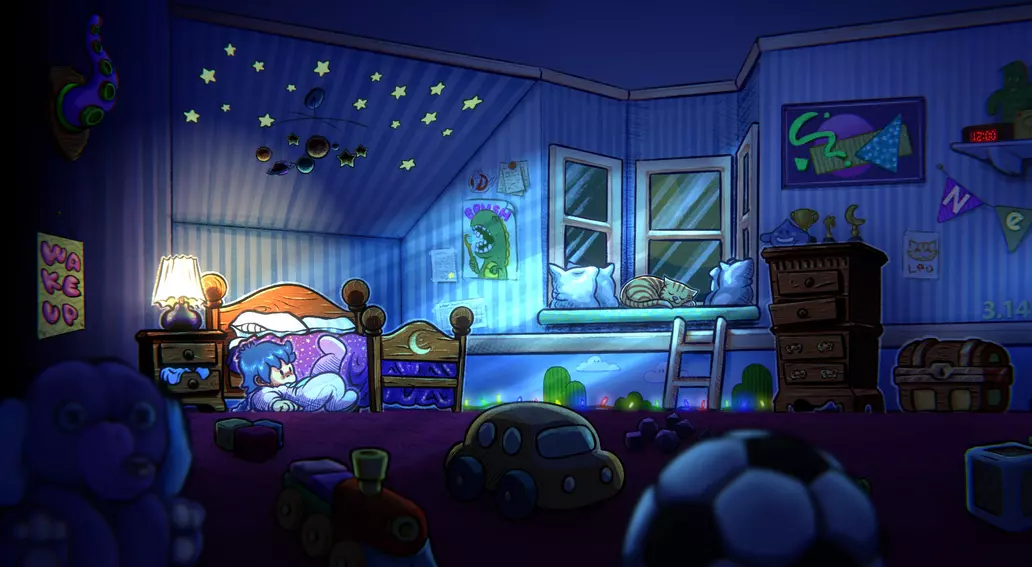
The overall details of the game are defined by its high-quality production and accessibility. The visuals are hand-animated frame-by-frame, creating a “playable cartoon” aesthetic that feels like a love letter to 1980s and 90s animation. Complementing the art is an original soundtrack by Peter Berkman of Anamanaguchi, providing a chiptune-inspired yet modern soundscape. Furthermore, the developers prioritized an approachable experience by including “God Mode” and adjustable difficulty, ensuring that players of all skill levels can experience the 10–15 hour journey without the crushing frustration common in retro titles.
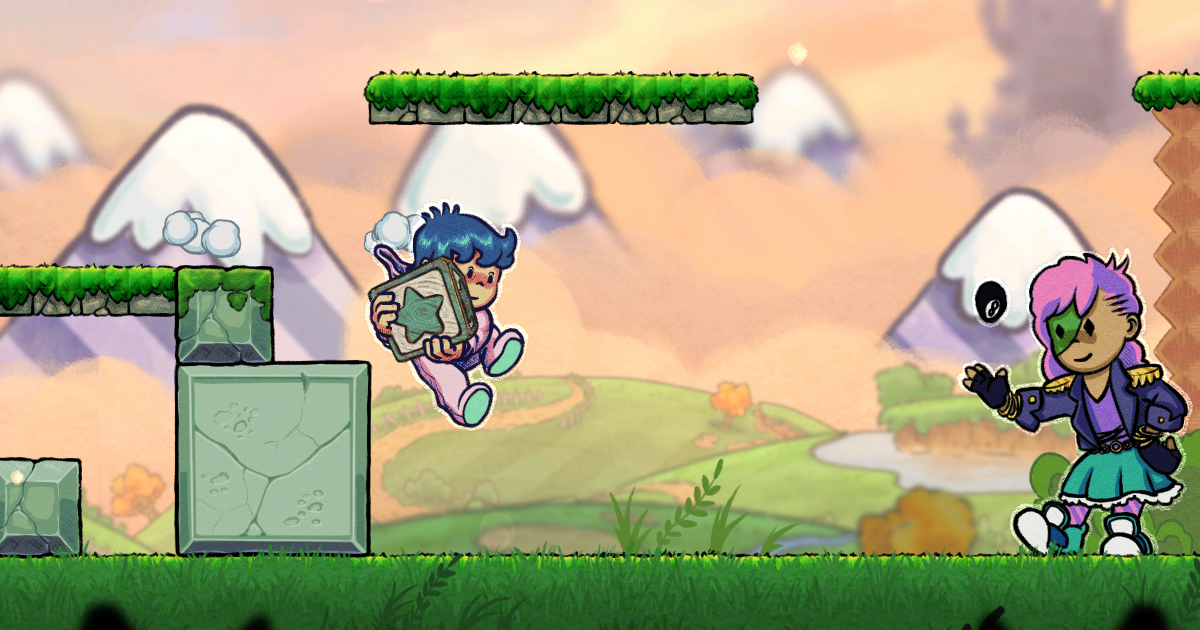
Ultimately, Little Nemo and the Guardians of Slumberland succeeds by capturing the bittersweet, imaginative essence of McCay’s original work. It manages to feel both ancient and modern, using the structure of a non-linear platformer to simulate the wandering logic of a dream. With its focus on exploration, toy-based mechanics, and stunning hand-drawn art, it stands as a significant revival of a classic property, offering a charming but deep adventure that resonates with fans of indie games and retro classics alike.