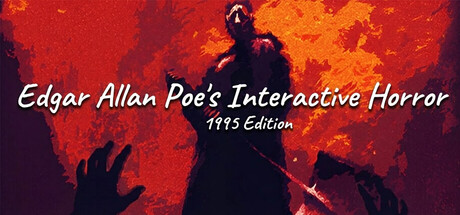
Developer: Inscape, GMedia
Publisher: GMedia
Genre: Point and click, Adventure, Horror
Price: $9.99
Release Date: Feb 15, 2026
Where to buy: Steam
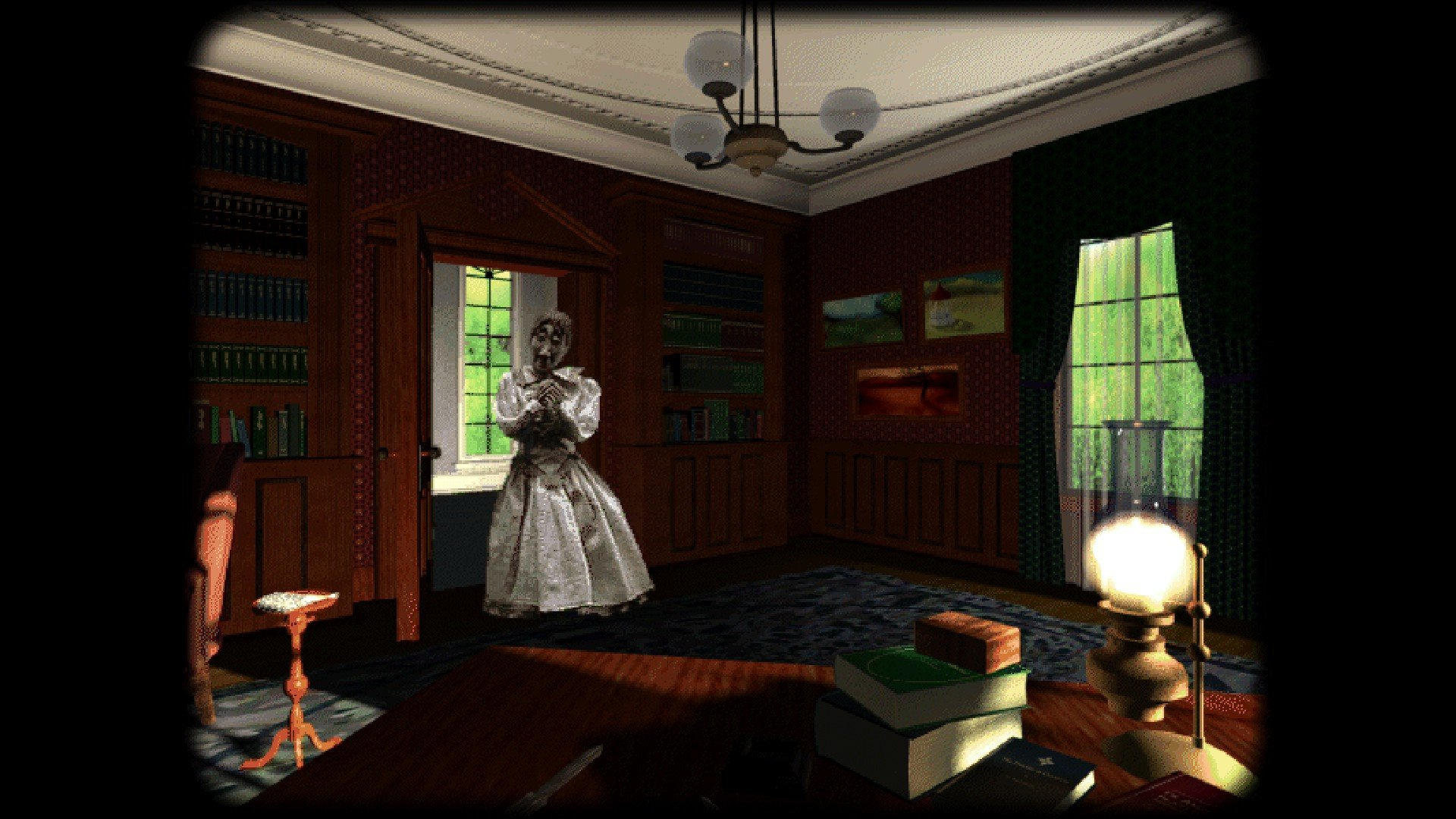
The mid-1990s marked a unique frontier for storytelling, where the rigid structures of classical literature collided with the burgeoning potential of the CD-ROM. Edgar Allan Poe’s Interactive Horror, released in 1995, stands as a fascinating relic of this era. It was not merely a digitized anthology but an early attempt to gamify the macabre atmosphere of Poe’s most famous works. By blending FMV (Full Motion Video) sequences, narrated prose, and point-and-click exploration, the software sought to translate the psychological claustrophobia of the 19th-century Gothic into a medium that a modern, tech-savvy audience could literally navigate.
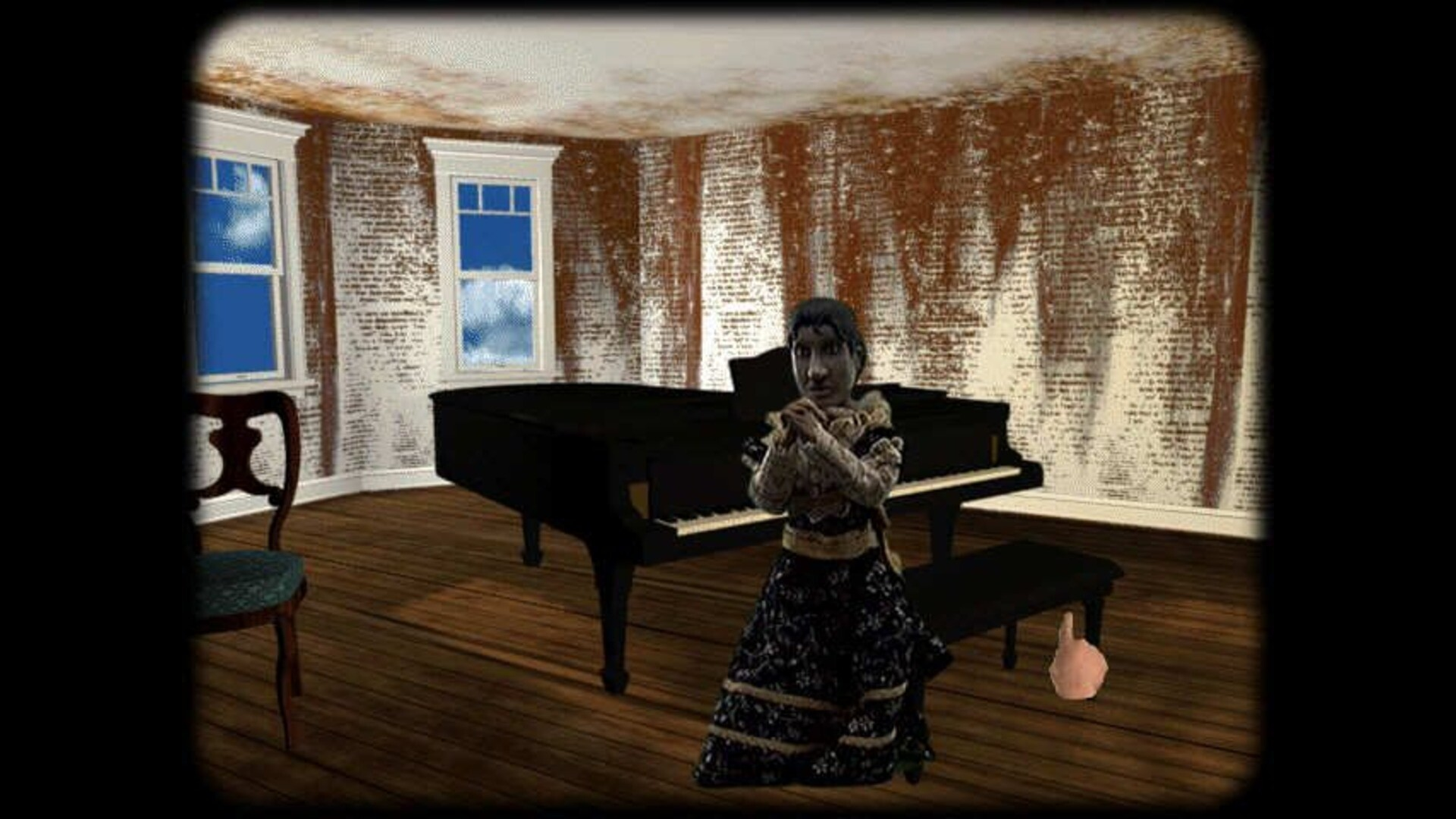
At the heart of the experience was a commitment to atmospheric immersion that standard paperbacks could not replicate. The 1995 edition utilized the storage capacity of the CD-ROM to house high-quality (for the time) audio narrations and grainy, sepia-toned video clips that felt like a fever dream. When a user “entered” the house from The Fall of the House of Usher, the sound of wind and the visual of decaying wallpaper worked in tandem to evoke a sense of dread. This multisensory approach catered to a new generation of readers, making Poe’s dense, often archaic vocabulary more accessible through visual cues and haunting soundscapes.
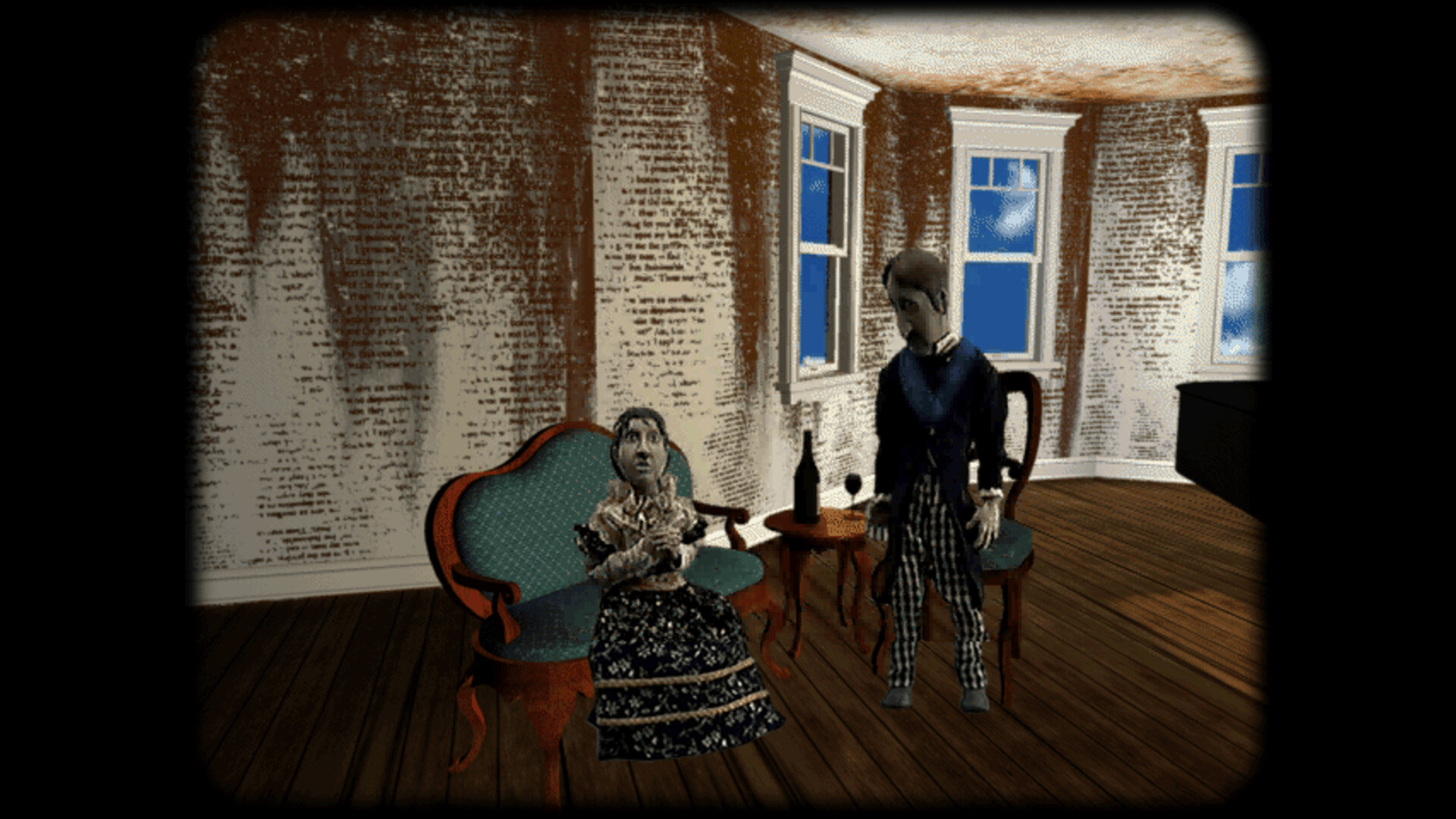
Furthermore, the “interactive” element of the title introduced a rudimentary form of agency in the horror genre. While it lacked the complex branching narratives of modern games, the software allowed users to uncover clues and hidden layers of the stories by clicking on symbolic objects—a beating heart beneath floorboards or a flickering raven on a bust of Pallas. This shifted the user from a passive observer to a digital detective, mirroring the analytical nature of Poe’s own “tales of ratiocination.” It turned reading into a scavenger hunt for the grotesque, emphasizing the hidden depths and secrets that define Poe’s literary style.
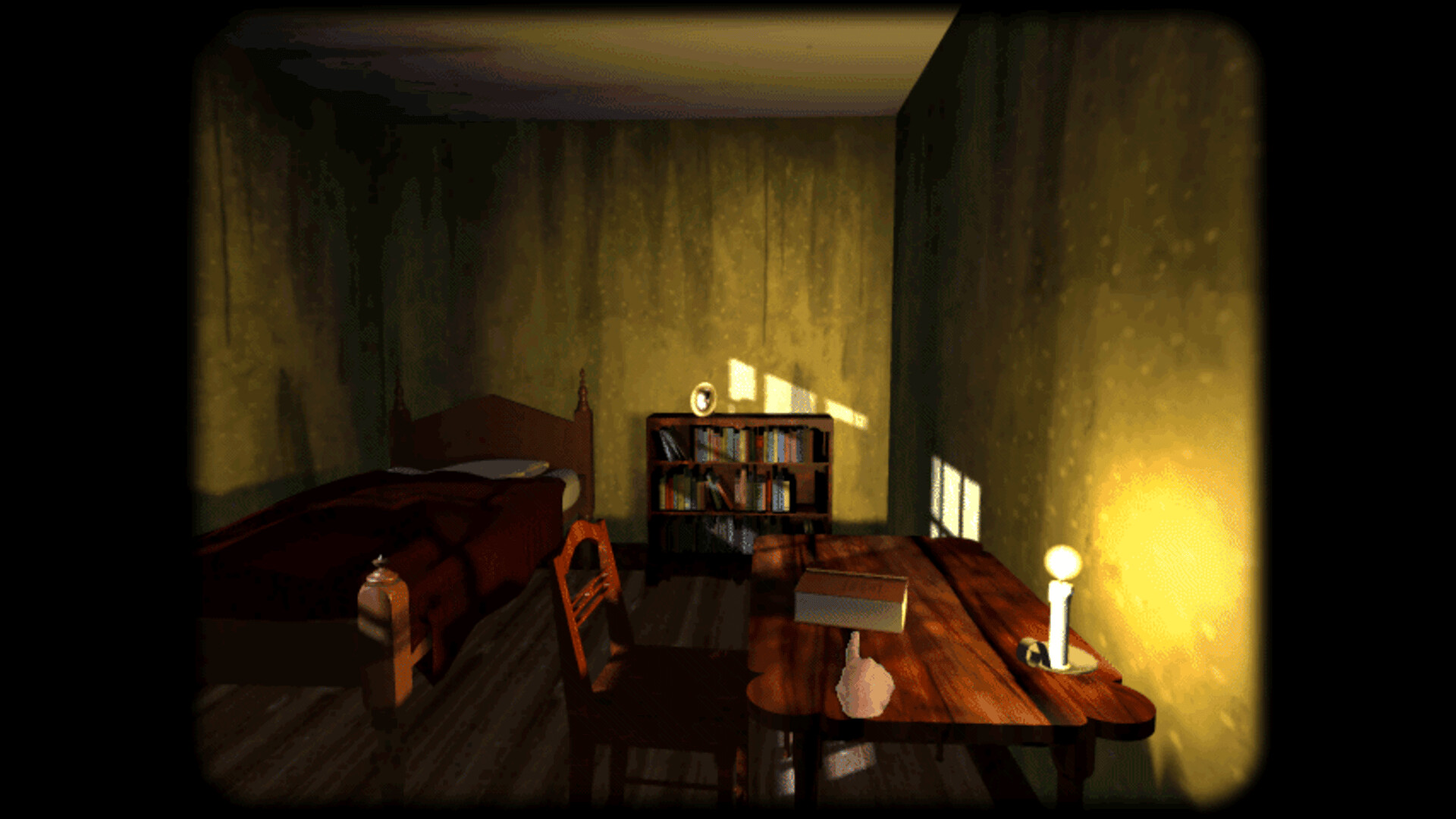
However, the 1995 edition also highlights the inherent tension between technology and classic literature. Critics of the time often debated whether the “bells and whistles” of multimedia distracted from the linguistic precision of Poe’s writing. While the jump scares and eerie music provided immediate gratification, some argued that the fixed visuals of the CD-ROM limited the reader’s imagination—a tool Poe relied on heavily to create terror. Despite these critiques, the software served as an important bridge, proving that the Gothic tradition was durable enough to survive the transition into the digital age without losing its soul.
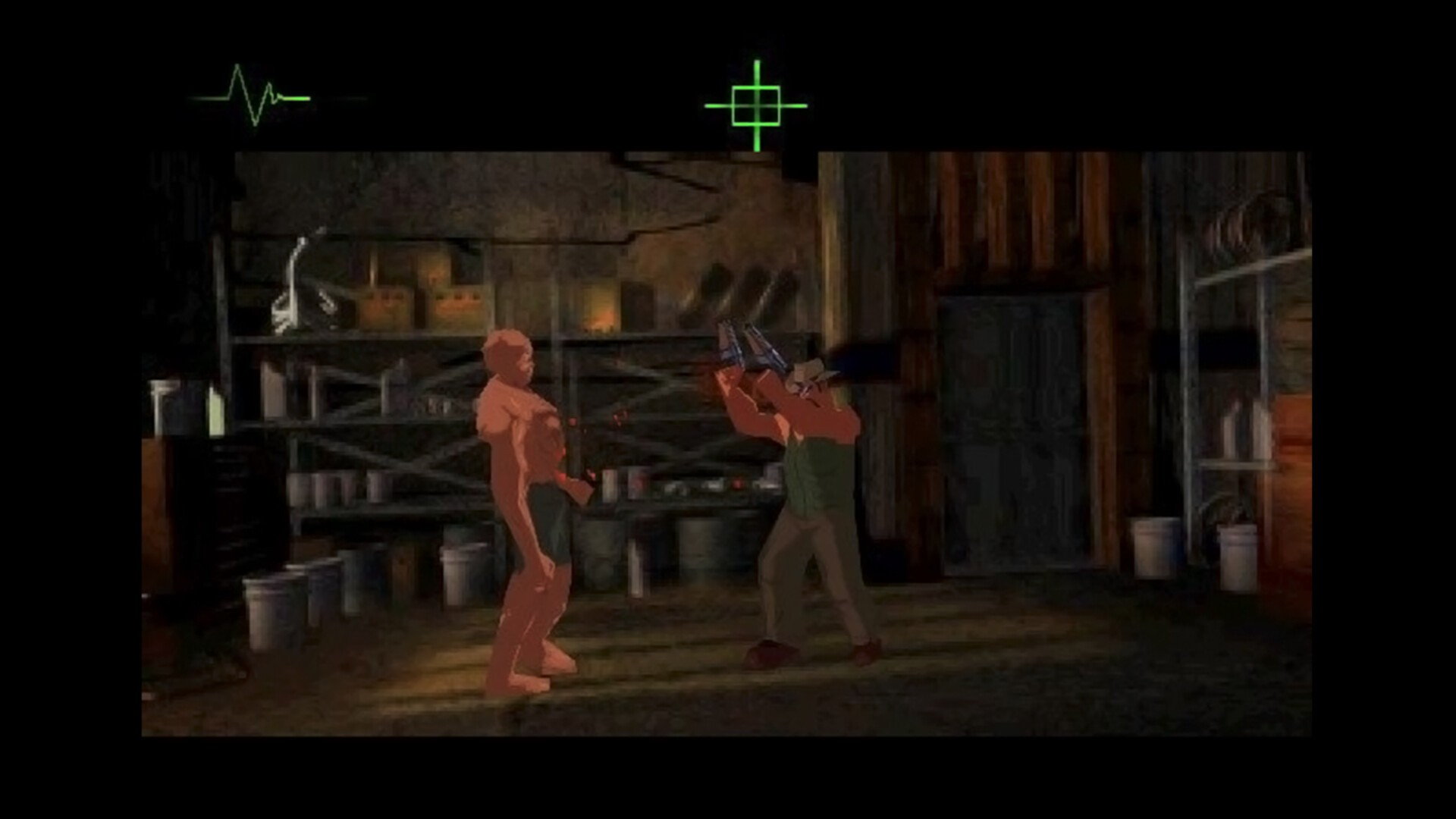
Ultimately, Edgar Allan Poe’s Interactive Horror remains a significant milestone in the history of electronic publishing and digital humanities. It paved the way for future adaptations that would eventually lead to VR horror and sophisticated narrative-driven gaming. By taking the “Master of the Macabre” and placing him inside a computer, the developers of 1995 ensured that his legacy would remain relevant in a world increasingly dominated by screens. It stands as a testament to the idea that while the medium of the story may change—from ink to pixels—the fundamental human fear of the unknown remains eternally constant.