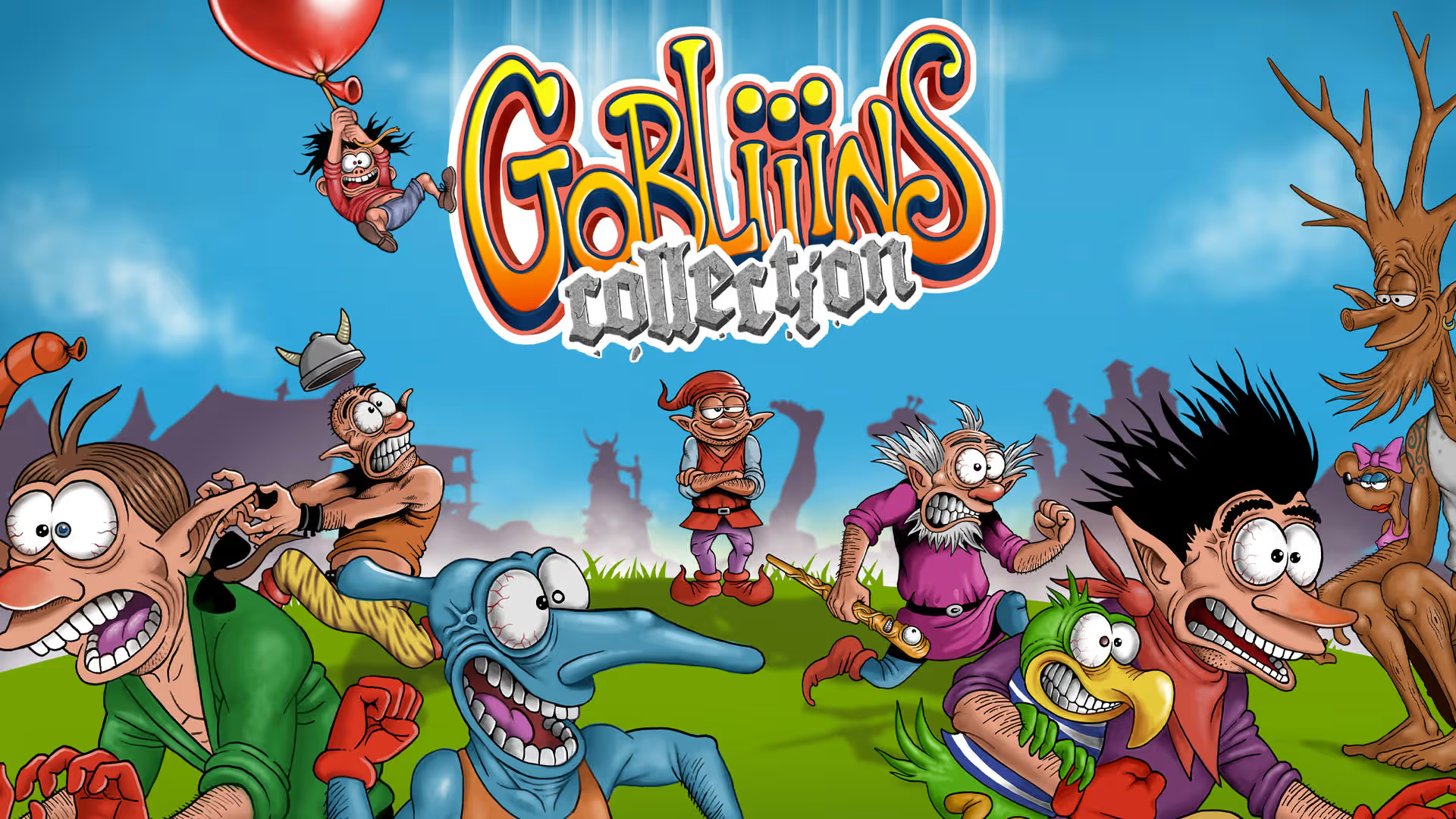
Developer: Red Art Games
Publisher: Red Art Games
Genre: Adventure Game
Price: $24.99
Release Date: May 27, 2026
Where to buy: Switch
Few point-and-click adventure series can match the sheer, unadulterated absurdity of Gobliiins. Developed by the French studio Coktel Vision, the series carved out a highly distinct niche in the 1990s PC gaming landscape. While contemporary giants like LucasArts focused on narrative-driven, dialogue-heavy logic, and Sierra On-Line focused on sweeping, high-stakes fantasy quests, Gobliiins chose a different path: compact, screen-by-screen puzzle rooms driven by surreal logic and slapstick comedy.

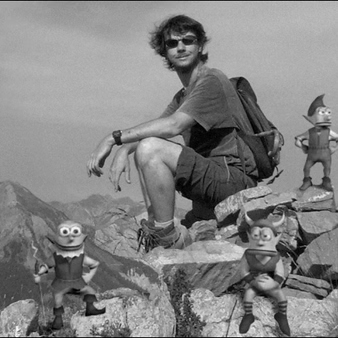
The franchise is defined by its two creators: Muriel Tramis (a pioneer as one of the first Black women game designers, who co-created and directed the early games) and Pierre Gilhodes, whose distinct, grotesque, and claymation-like 2D art style gave the games their unmistakable visual identity.
The Rule of the “i”
The series features a famous, highly literal naming gimmick: the number of lowercase “i”s in the title dictates exactly how many characters you control.
 Gobliiins (1)   -->  3 Goblins
 Gobliins 2      -->  2 Goblins
 Goblins Quest 3 -->  1 Goblin (primarily)
Unlike traditional adventure games where a single protagonist carries an inventory of fifty items, Gobliiins splits utility across a team, forcing you to treat each character like a specific tool in a toolbox.
Chronology of the Saga
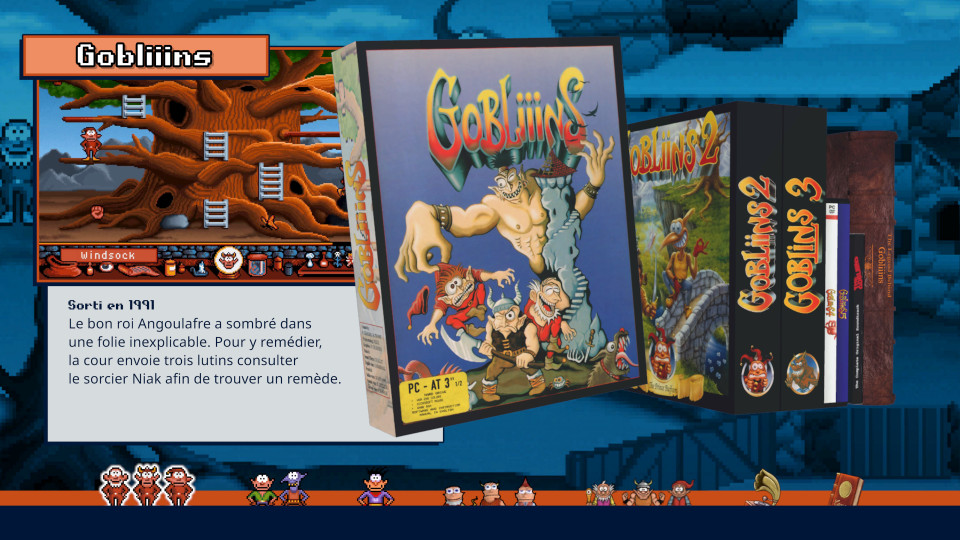
Gobliiins (1991)
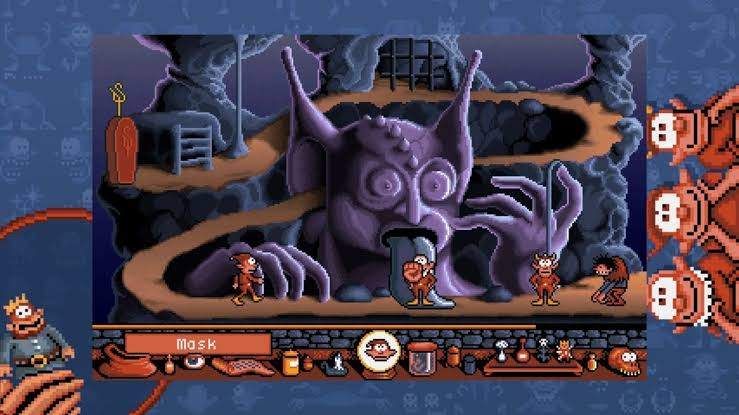
The game that started it all introduces us to a kingdom in crisis: King Angoulafre has been driven mad by a mysterious voodoo doll. To track down the wizard responsible, you control three distinct goblins:
- Asgard (BoBo in the US): The brawn. He punches things, kicks objects, and climbs ropes, but isn’t bright.
- Ignatius (Hooter): The mage. He casts erratic spells that make objects grow, shrink, or come alive with unpredictable side effects.
- Oups (Dwayne): The technician. He is the only character who can actually pick up, carry, and use inventory items.
The game is strictly linear, spanning 22 single-screen rooms. It is notoriously unforgiving, featuring a shared health bar that depletes every time you try an incorrect, dangerous, or flat-out illogical action. If the meter runs out, it’s game over.
Gobliins 2: The Prince Buffoon (1992)
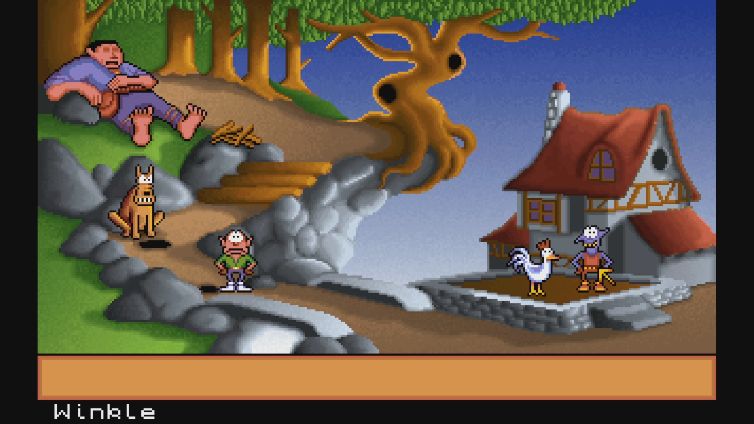
Widely considered the peak of the original trilogy, the sequel fixed the first game’s most frustrating mechanics. The punishing health bar was removed completely, and the levels expanded across multiple interconnected screens, allowing you to back-travel.
True to the title’s two “i”s, you control two goblins sent to rescue the kidnapped Prince Buffoon:
- Fingus: Polite, intelligent, and cautious.
- Winkle: Loud, brave, and dim-witted.
In a brilliant gameplay shift, both characters can pick up and use items, but they interact with the world entirely differently based on their personalities. Solving puzzles often required precise, simultaneous timing—coordinating both goblins across the screen to pull off a multi-part distraction.
Goblins Quest 3 (1993)
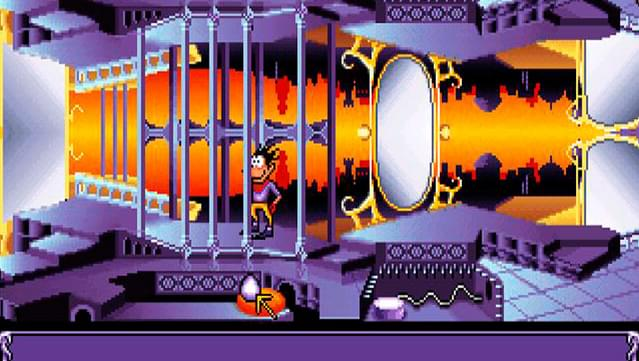
By 1993, Sierra On-Line had acquired Coktel Vision. In an attempt to align the game with their flagship franchises (King’s Quest, Space Quest), they appended the “-Quest” suffix for its Western release.
With only a single “i” in the title, you primarily control Blount, an eccentric journalist caught in the middle of a war between a human king and a goblin king. To keep the multi-character puzzle dynamic alive without breaking the title’s rule, Blount is accompanied by various controllable sidekicks throughout his journey, including Chump the parrot, Ooya the magician, and Fulbert the snake. The game also features a werewolf mechanic where Blount alters his physical form and abilities.
The Long Hiatus and the 3D Misstep
Following Goblins 3, Coktel Vision was gradually absorbed and dismantled under Sierra and Vivendi. Pierre Gilhodes and Muriel Tramis moved on to other projects, leaving the IP dormant for over a decade.
Gobliiins 4 (2009)
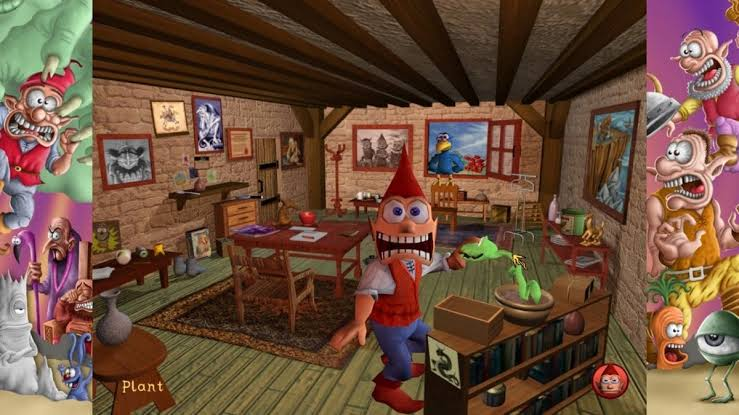
Sixteen years later, Pierre Gilhodes reacquired the rights to the franchise and formed a small studio to create a modern sequel. Gobliiins 4 returned to the three-character setup of the original game (featuring Tchoup, Stucco, and Perluis on a quest to find a king’s missing pet aardvark).
Unfortunately, the game attempted to jump to 3D graphics. The transition lost much of the expressive, squishy charm of Gilhodes’ original hand-drawn sprites, and the performance felt sluggish. While the core puzzle design still retained that classic French absurdity.
The Modern Indie Revival
In the 2020s, the series experienced a quiet, crowdfunded renaissance, proving that classic point-and-click mechanics still have a dedicated audience when executed with passion.
Gobliiins 5 (2023)
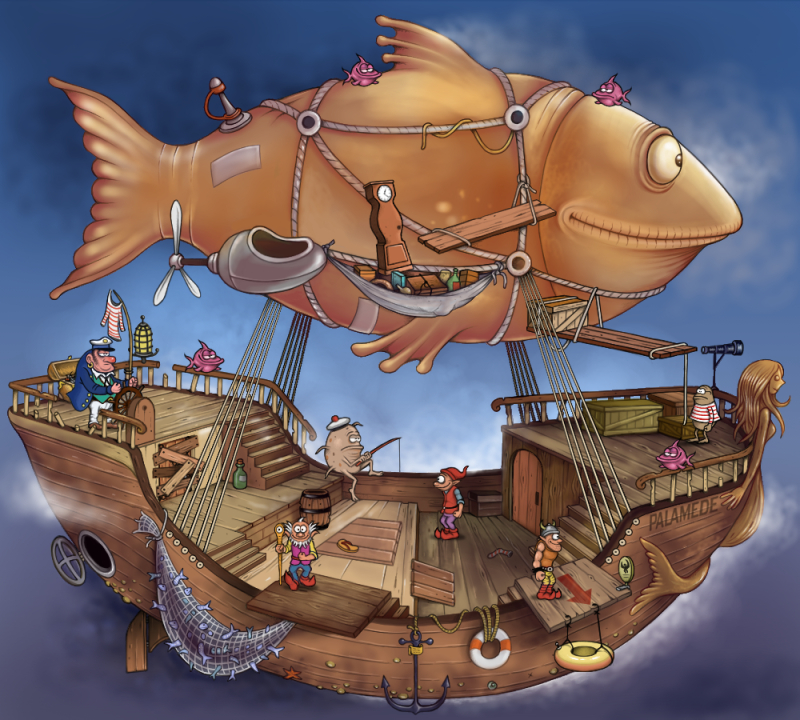
Abandoning the clunky 3D of the fourth entry, Gilhodes launched a successful Kickstarter to bring the series back to its 2D roots. Developed entirely within Adventure Game Studio (AGS), Gobliiins 5 reunited the original trio (Oups, Asgard, and Ignatius) to stop a “Morgloton” alien invasion that is turning people into potatoes. It was a massive love letter to classic fans, capturing the exact look, feel, and uncompromisingly weird puzzle logic of the 1991 original.
GOBLiiNS 6 (2026)
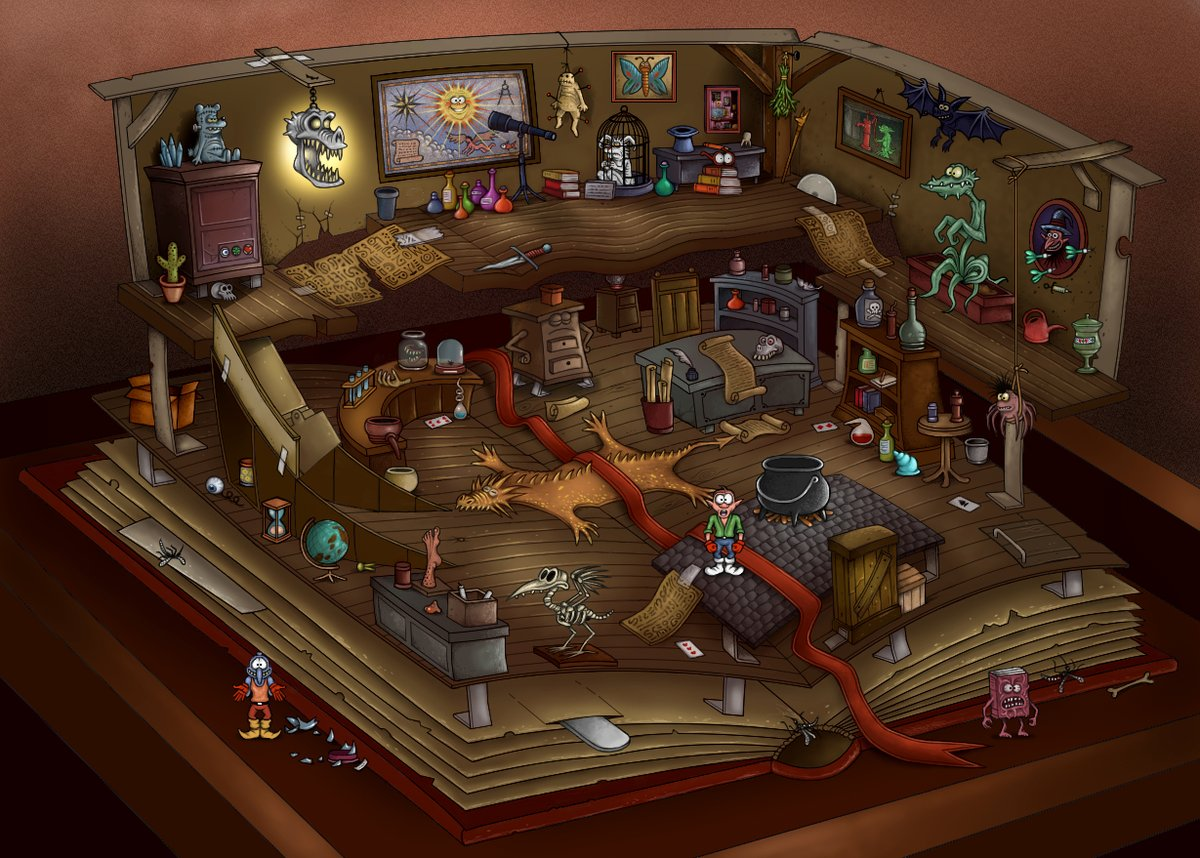
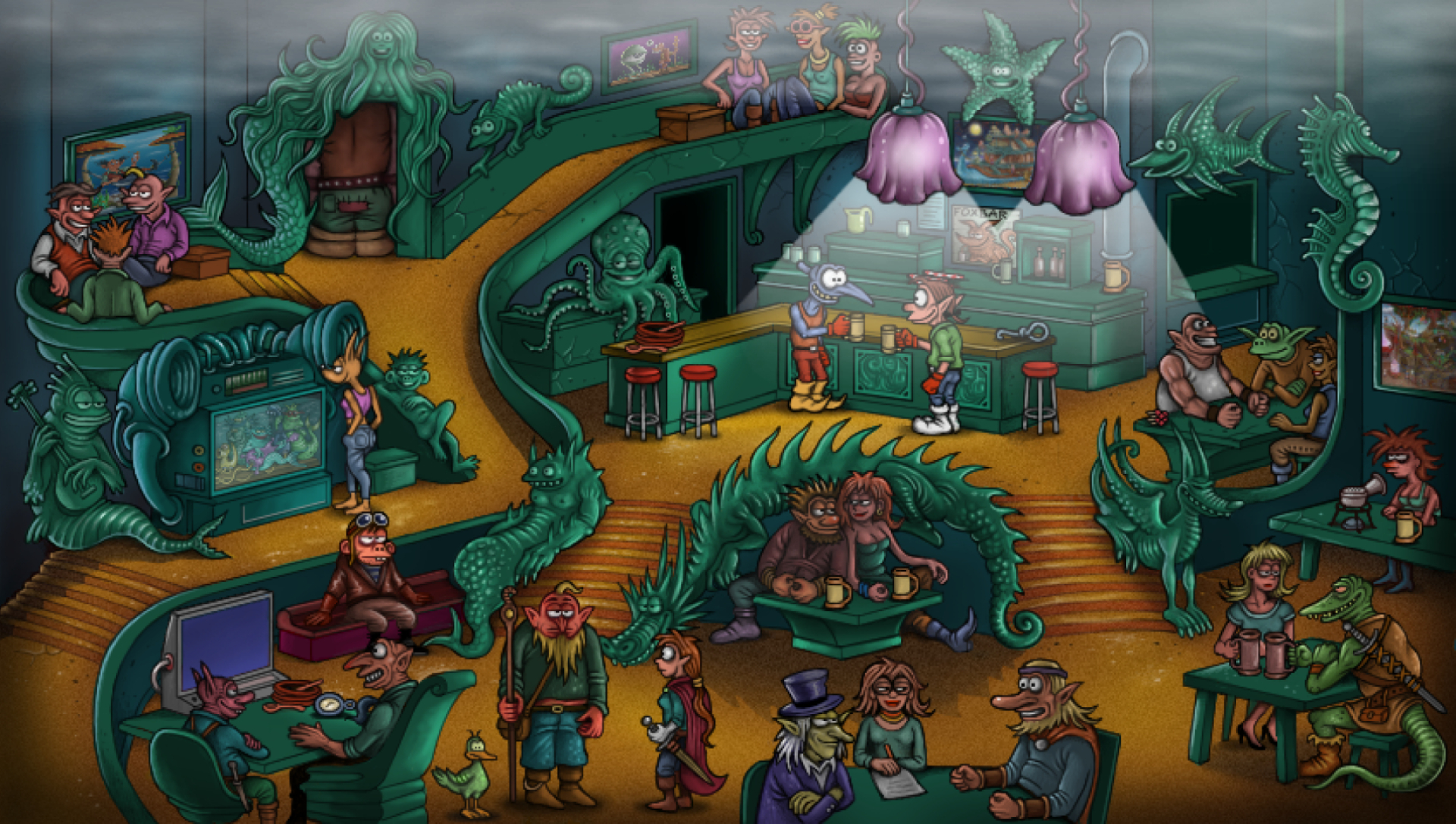
Following the success of the fifth game, Gilhodes launched a subsequent crowdfunding campaign for GOBLiiNS 6, which was released in early 2026. Strikingly, Muriel Tramis returned to co-write and design the puzzles alongside Gilhodes. Acting as a direct mechanical sequel to Gobliins 2, players once again control the duo of Fingus and Winkle in a beautifully animated 2D space.
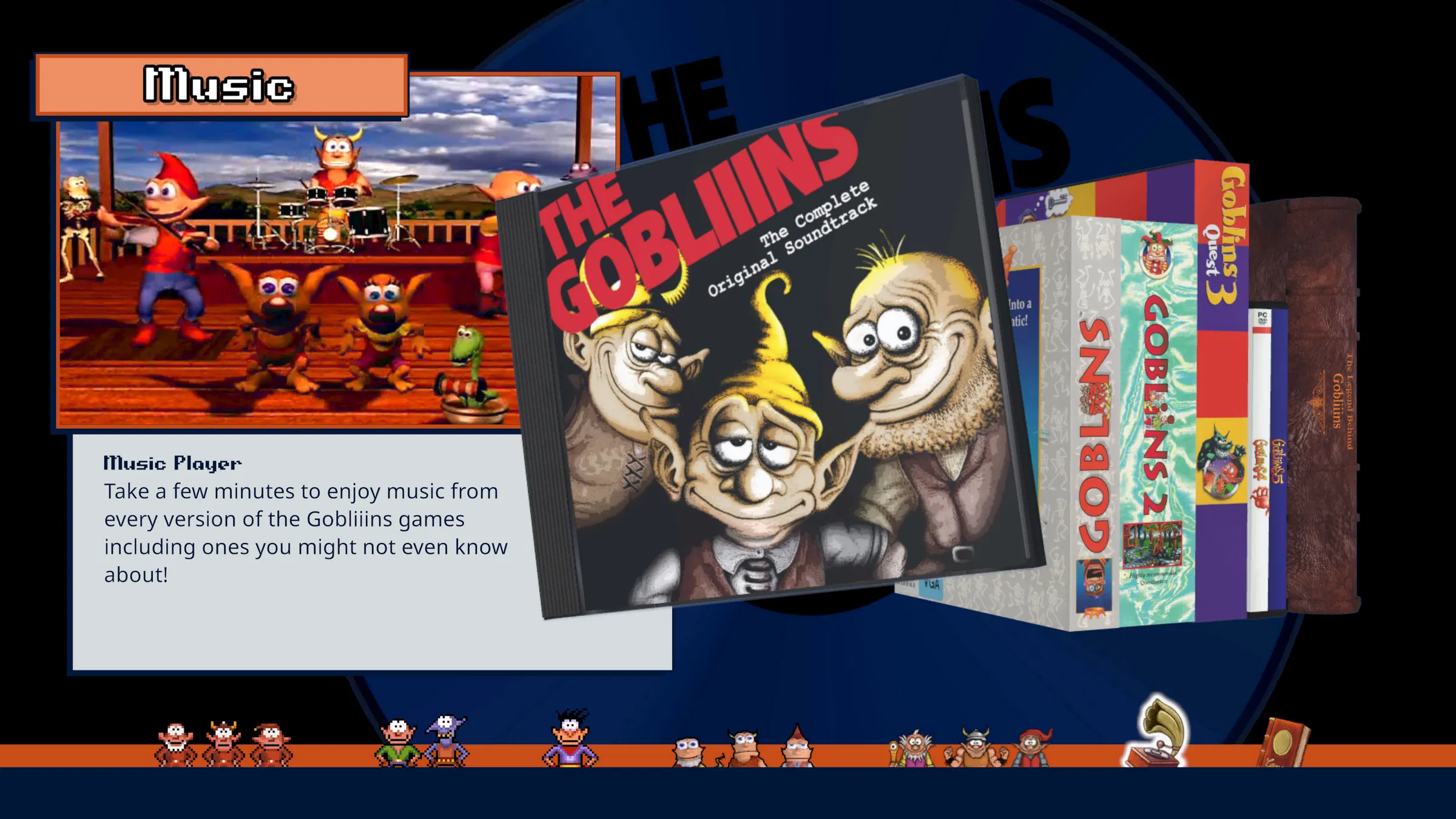
To cement this modern revival, mid-2026 saw the release of the official Gobliiins Collection by Red Art Games, packaging the first five classic titles together for modern consoles (Switch, PS5, Xbox Series), introducing a whole new generation to one of the strangest, funniest puzzle lineages in PC history.
Now on to the quality of this collection through the Switch port.
The Gobliiins Collection on the Nintendo Switch stands as a monumental archival release, preserving one of the most eccentric lineages in PC gaming history. Developed and published by Red Art Games, this compilation bundles the first five entries of the point-and-click adventure series, charting its evolution from 1991 to 2023. While the franchise—birthed by the creative minds of Pierre Gilhodes and Muriel Tramis—traditionally thrived on the precise input of a computer mouse, its transition to modern hardware offers both a nostalgic sanctuary for veteran fans and a bizarre historical curiosity for newcomers. Ultimately, the collection serves as a thorough, albeit occasionally clunky, celebration of the surreal “pants-on-head” logic that defined 1990s French game design.
Mechanically, the collection brilliantly highlights the franchise’s signature design philosophy, famously known as the “Rule of the ‘i’.” The number of lowercase vowels in each title strictly dictates how many characters the player controls, dividing puzzle utility across a team rather than a single inventory. Players must navigate the brutal, shared-health-bar mechanics of the three-goblin team in the 1991 original, coordinate simultaneous timing with the dual-protagonist setup of Gobliins 2, and adapt to the shifting sidekicks of Goblins Quest 3. By putting these titles side-by-side, the collection demonstrates how Coktel Vision iteratively refined their approach to teamwork and environmental interaction, transitioning from rigid single-screen traps to expansive, multi-screen cooperative adventures.
The preservation effort shines brightest in the sheer variety and depth of the content included on the digital format. Rather than offering a singular, compromised port of the early entries, Red Art Games included multiple historical versions of the classic trilogy, allowing purists to alternate between MS-DOS, floppy disk, and CD-ROM iterations to experience the subtle audio and visual variations. Furthermore, the compilation acts as a complete historical trajectory by including the controversial, fully 3D Gobliiins 4 from 2009 alongside the triumphant 2023 return to 2D pixel art, Gobliiins 5. This comprehensive approach ensures that the entire formal evolution of Gilhodes’ grotesque, claymation-inspired universe is kept entirely intact for modern scrutiny.
Despite the exemplary preservation of the software, the collection faces undeniable friction when adapting retro PC architecture to the constraints of a modern console. Point-and-click adventure games from the early 1990s are inherently reliant on the pixel-perfect speed of a mouse, meaning that navigating these chaotic environments with a Switch analog stick can occasionally feel sluggish and imprecise. The collection attempts to mitigate this by implementing touchscreen functionality for handheld play and a button-mapping layout to highlight interactive objects, but the lack of digital manual scans or an integrated hint system leaves the notoriously obscure puzzle logic fully exposed. For players unaccustomed to the trial-and-error design of the era, the absolute absence of a “rewind” or “save-state” feature makes the package an unforgiving historical artifact.
In conclusion, the Gobliiins Collection on the Nintendo Switch is an essential, highly dedicated preservation piece that honors the slapstick legacy of its creators. It succeeds entirely in its mission to archive over three decades of surrealist puzzle design, treating the property with the archival respect of a digital museum exhibit. While the translation of retro mouse controls to a game controller presents unavoidable mechanical hurdles, the inclusion of robust bonus features—such as a dedicated music player and an exclusive multi-part documentary interview with Pierre Gilhodes—elevates the package beyond a simple retro cash-in. It stands as a definitive, wonderfully chaotic testament to an era of gaming where failure was meant to be laughed at rather than feared.