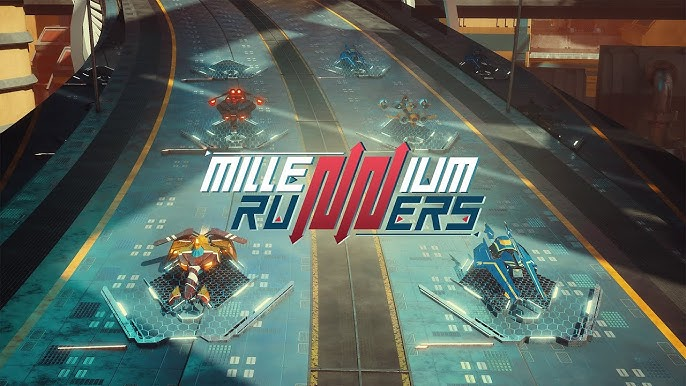
Developer: Commodore Industries
Publisher: Over The Game
Genre: Racing, Arcade
Price: $12.99
Release Date: Nov 13th, 2025
Where to buy: Steam
Released in late 2025 by Commodore Industries, Millennium Runners is a high-octane homage to the golden era of anti-gravity racers like Wipeout and F-Zero. Set in a remote future where speed is the ultimate currency, the game tasks players with piloting gravity-defying ships across neon-drenched megacities and desolate alien landscapes. While it successfully captures the adrenaline-fueled spirit of its predecessors, it struggles with the technical weight of its own ambition. This review explores how the game’s blistering speed, immersive atmosphere, and technical hurdles create an experience that is as exhilarating as it is unpolished.
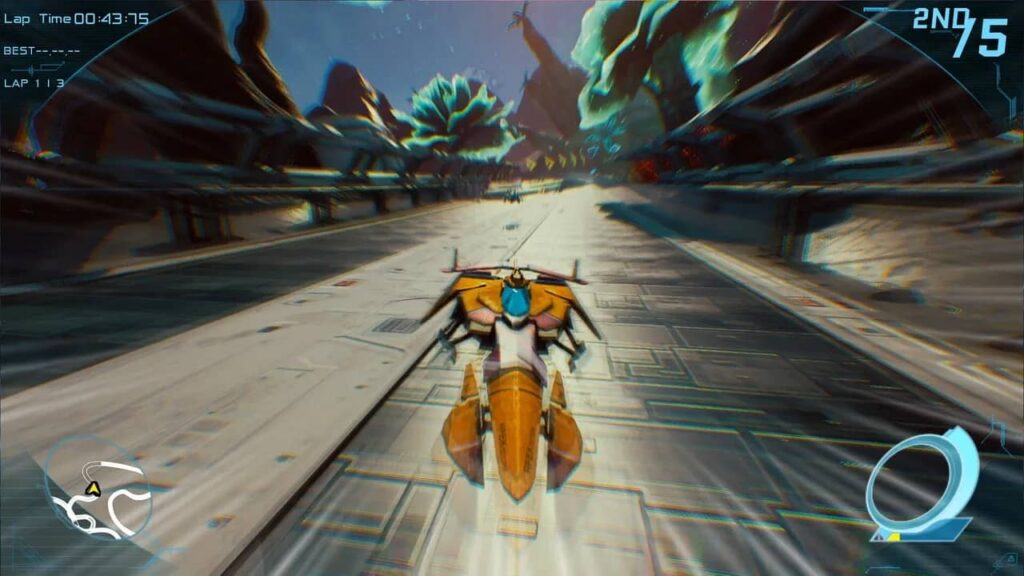
The core gameplay of Millennium Runners is built entirely around the sensation of momentum and precision. The handling is remarkably fluid, requiring players to master the art of “leaning” into corners and utilizing air brakes to maintain speed through hair-raising turns. The inclusion of a robust arsenal—ranging from homing rockets to strategic mines—adds a layer of tactical combat that prevents the races from feeling like simple time trials. When a player successfully chains a series of speed pads and executes a perfect drift, the game achieves a “flow state” that few modern racers can match.
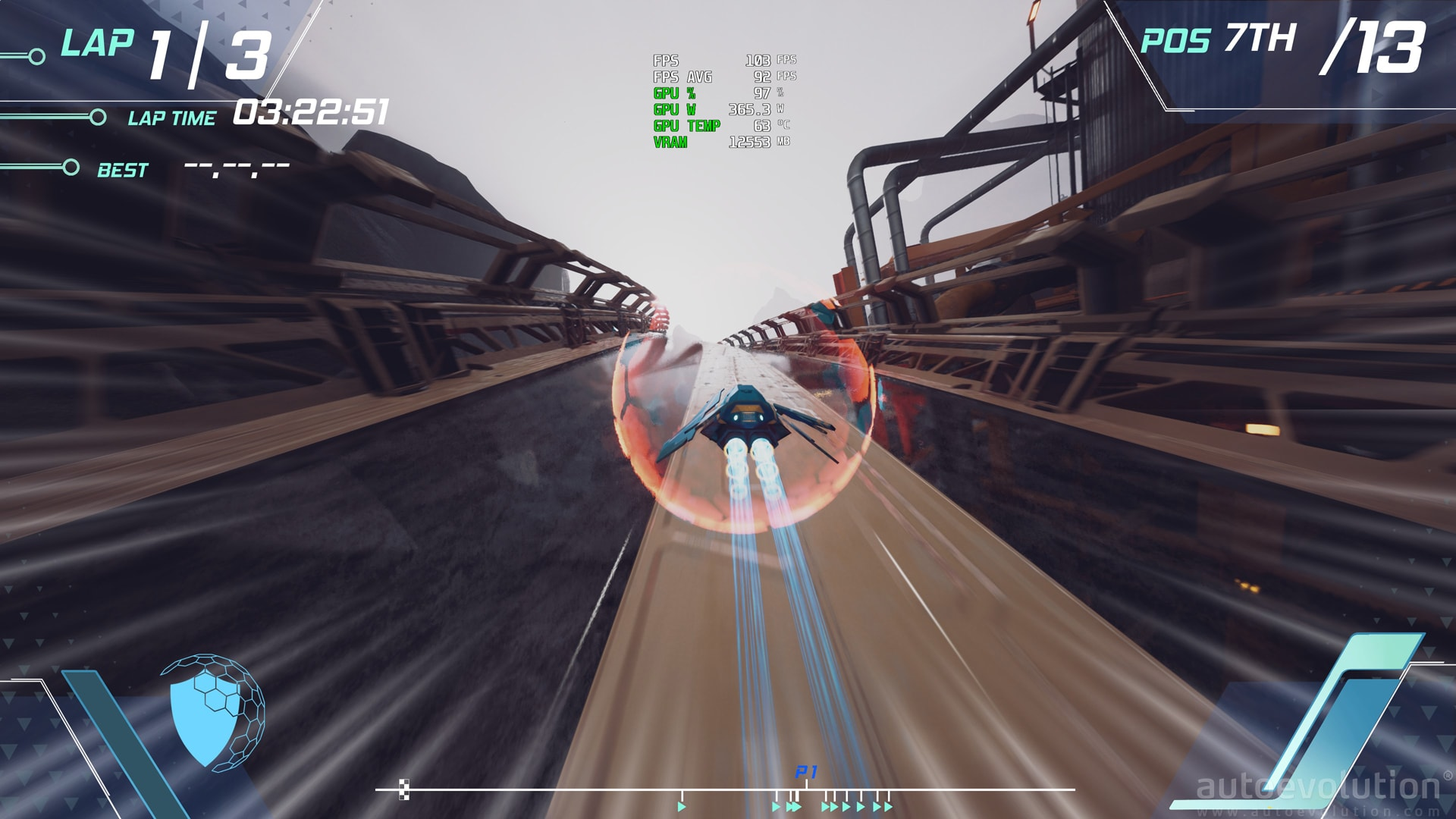
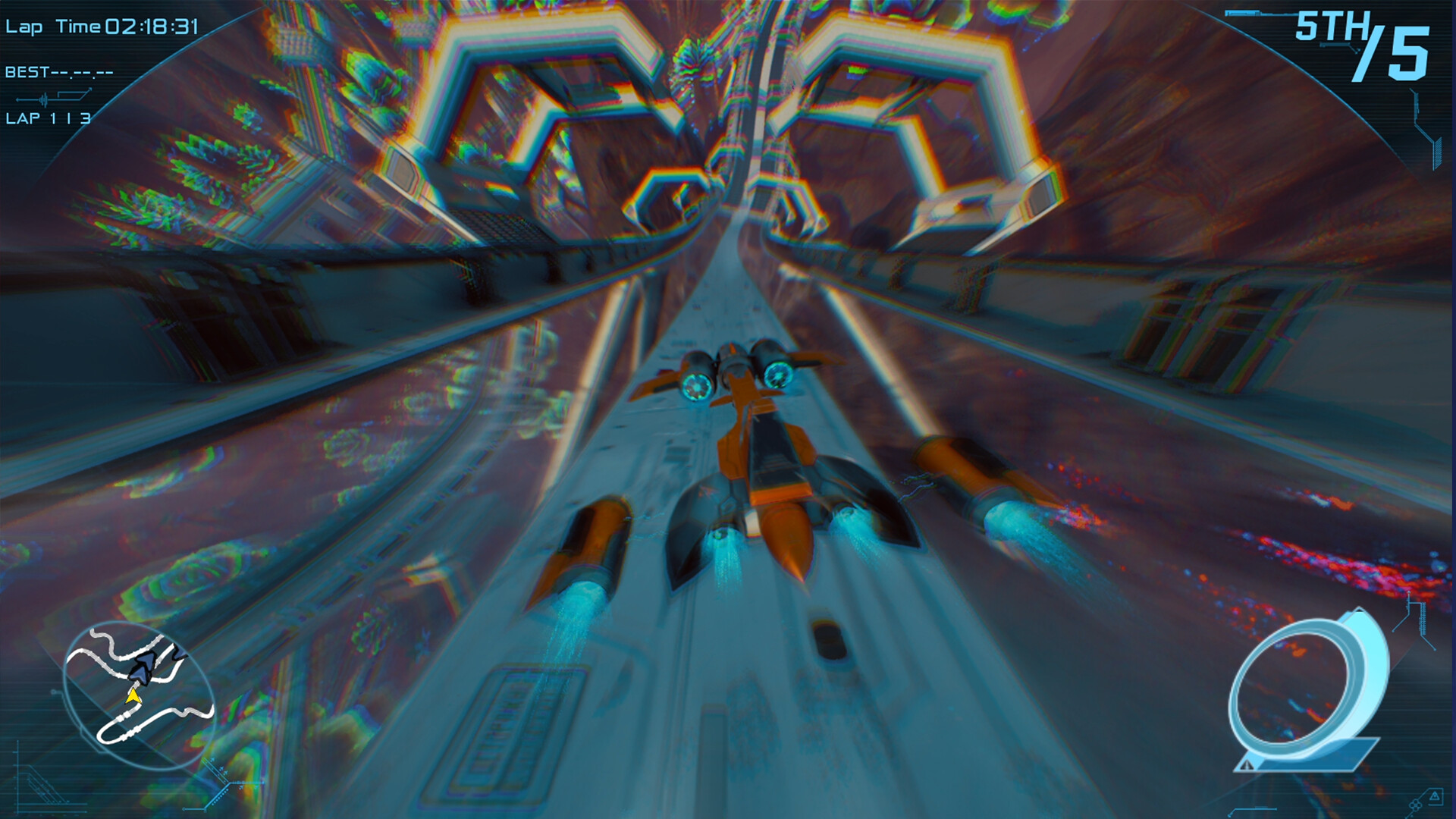
Visually and transitionally, the game is a neon-soaked fever dream. The art direction excels at creating a sense of scale, with tracks that plunge down vertical drops and twist through sprawling urban jungles. Complementing the visuals is a pulsing electronic soundtrack that feels tailor-made for the 300 mph chaos on screen. The developers clearly prioritized visual clarity; despite the intense speeds, the UI and track boundaries remain readable, ensuring that deaths usually feel like a result of player error rather than visual clutter.
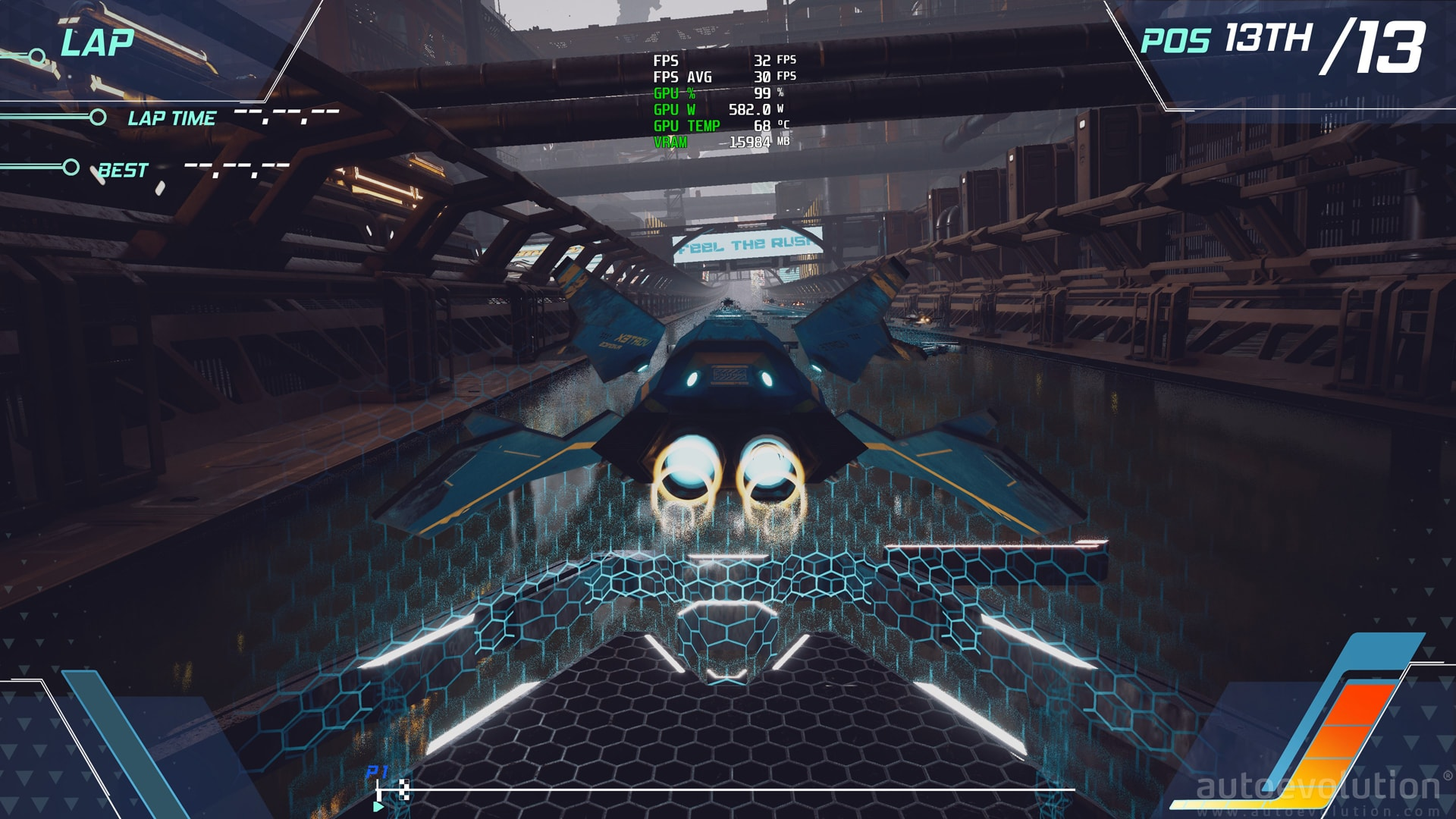
However, the game’s technical performance is where the engine begins to sputter. Many players have reported significant optimization issues, particularly on handheld devices like the Steam Deck, where frame rates can be inconsistent. Even on high-end PCs, the aggressive motion blur—intended to convey speed—can become headache-inducing for some, and the “rubber-banding” AI can occasionally feel more frustrating than competitive. These “bugs in the system” suggest that while the heart of a great racer is present, the game could have benefitted from a few more months in the pit for fine-tuning.
In conclusion, Millennium Runners is a bold, albeit slightly fractured, love letter to the anti-gravity genre. It offers a visceral, high-stakes racing experience that rewards skill and rewards it fast. While the technical glitches and steep hardware requirements may deter casual players, the core loop of mastering the Millennium Cup is undeniably addictive for genre veterans. It is a game that thrives on its “rule of cool,” proving that even with a few scratches on the chassis, there is still plenty of life left in the futuristic racing scene.